A run of extreme July heat has forced fishing closures and triggered a major fish kill across widely separated corners of the United States, as water temperatures climbed past the point trout and other cold-water species can survive.
In Yellowstone National Park, officials closed several of the park's best-known trout waters to afternoon and evening fishing beginning July 9. The Madison River and its tributaries, the Firehole River and its tributaries, and the Gibbon River downstream of Norris Campground are now off-limits from 2 p.m. until sunrise the following morning. Park managers said water temperatures in those rivers had exceeded 68 degrees Fahrenheit while flows ran low, and with air temperatures forecast near 90 degrees, the conditions had become lethal to the park's native and wild trout.
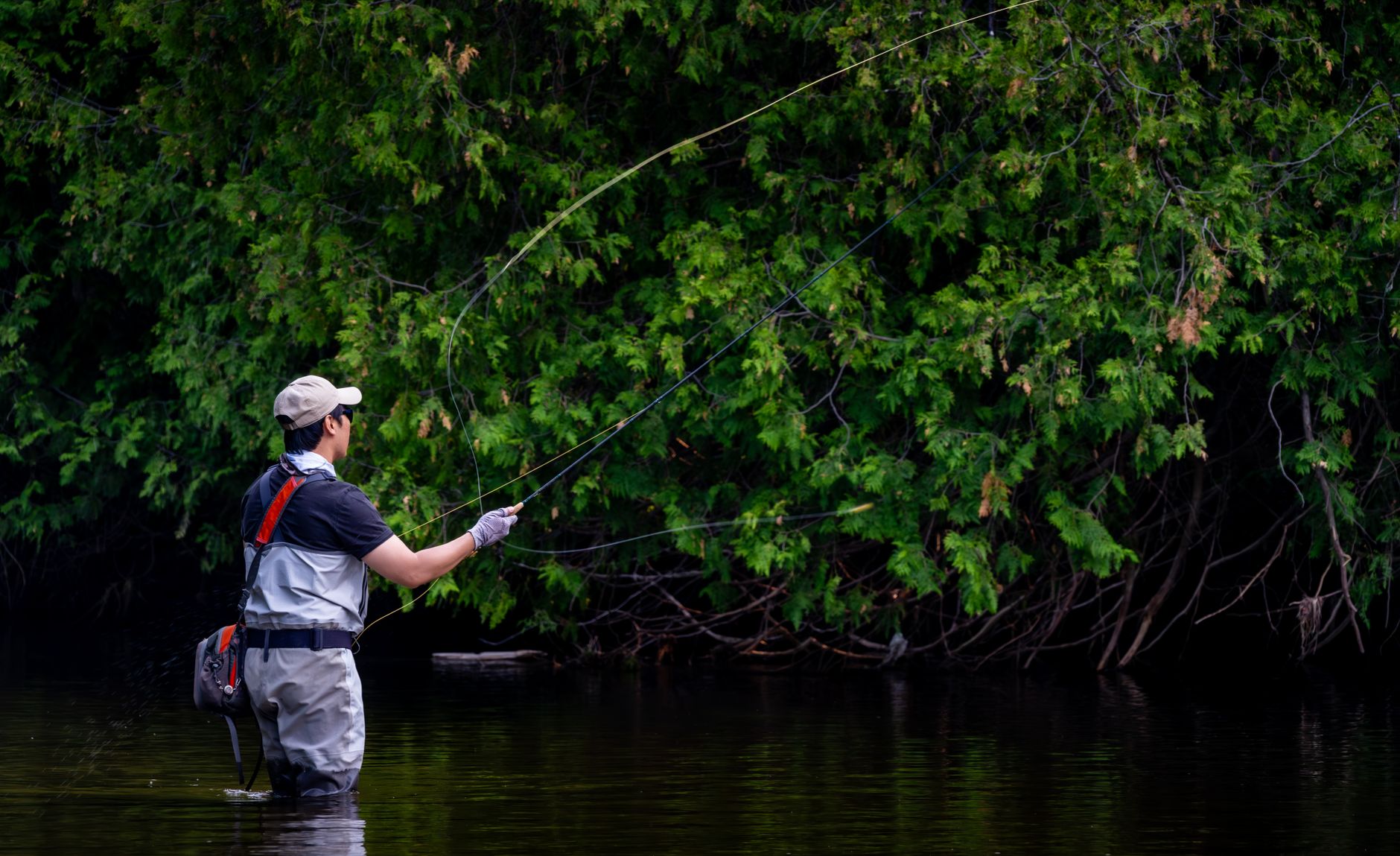
Yellowstone asked anglers to fish only during the coolest hours, to land fish quickly rather than exhausting them, to handle them gently in the water and to let them recover before release. Yellowstone Lake and the park's other lakes remain open from sunrise to sunset.
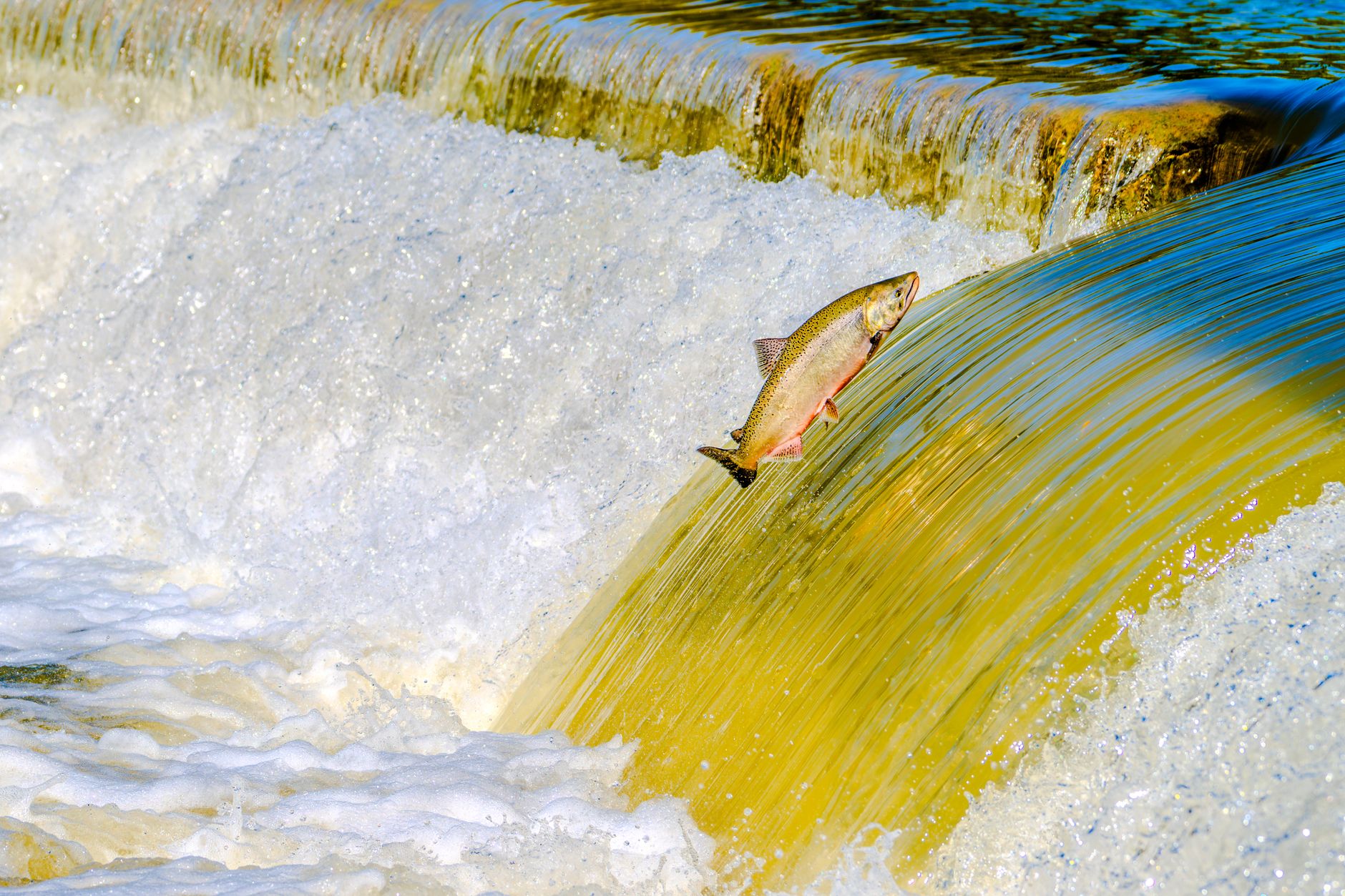
Just outside the park, Montana followed suit. Montana Fish, Wildlife & Parks imposed "hoot owl" restrictions beginning at 2 p.m. on July 11, barring fishing from 2 p.m. to midnight on a string of rivers including the lower Madison from Warm Springs to the Jefferson confluence, the Madison above Hebgen Reservoir, the lower Beaverhead and the Sun River. "These restrictions are designed to protect fish that become more susceptible to disease and mortality when water temperatures warm," the agency said in announcing the closures. Under FWP's drought policy, the limits kick in when maximum daily water temperatures reach at least 73 degrees for three consecutive days; the agency notes that water of 77 degrees or more can be lethal to trout.
The same heat that shut down Western trout streams produced a far more visible toll 2,000 miles east. On the Potomac River in Maryland, a Fourth of July heat wave drove water temperatures to a record 94 degrees upstream of Little Falls — the warmest reading since record-keeping began at the site in 1988 — with U.S. Geological Survey gauges peaking as high as 98.4 degrees. In the days that followed, more than 21,000 dead fish surfaced along a roughly 14-mile stretch in Montgomery County between Violette's Lock and Whites Ferry.
Maryland Department of the Environment investigators found no sign of a chemical spill or pollution event. Instead, biologists pointed to a "summer turnover," in which sun-warmed surface water and cooler water below suddenly mix, combined with drought-driven low flows and blistering temperatures that left fish stressed and vulnerable to parasites and bacterial infection. Most of the dead were golden redhorse suckers, a common native species.
For the guides and outfitters who make their living on these rivers, the closures are becoming a routine part of the summer calendar. In Montana, operators say they increasingly spread trips across whole river systems — the Flathead, Clark Fork, Missouri and southwestern rivers such as the Yellowstone and Madison — and reshape the fishing day around cooler morning hours rather than cancel outright, dispersing pressure on waters already squeezed by heat.
The measures share a common logic: get anglers off the water before the afternoon, when warm water holds the least oxygen and a released fish is least likely to swim away. Whether the closures lift depends on the weather. Yellowstone said its restrictions will stay in place until conditions improve, and could be expanded if they don't.