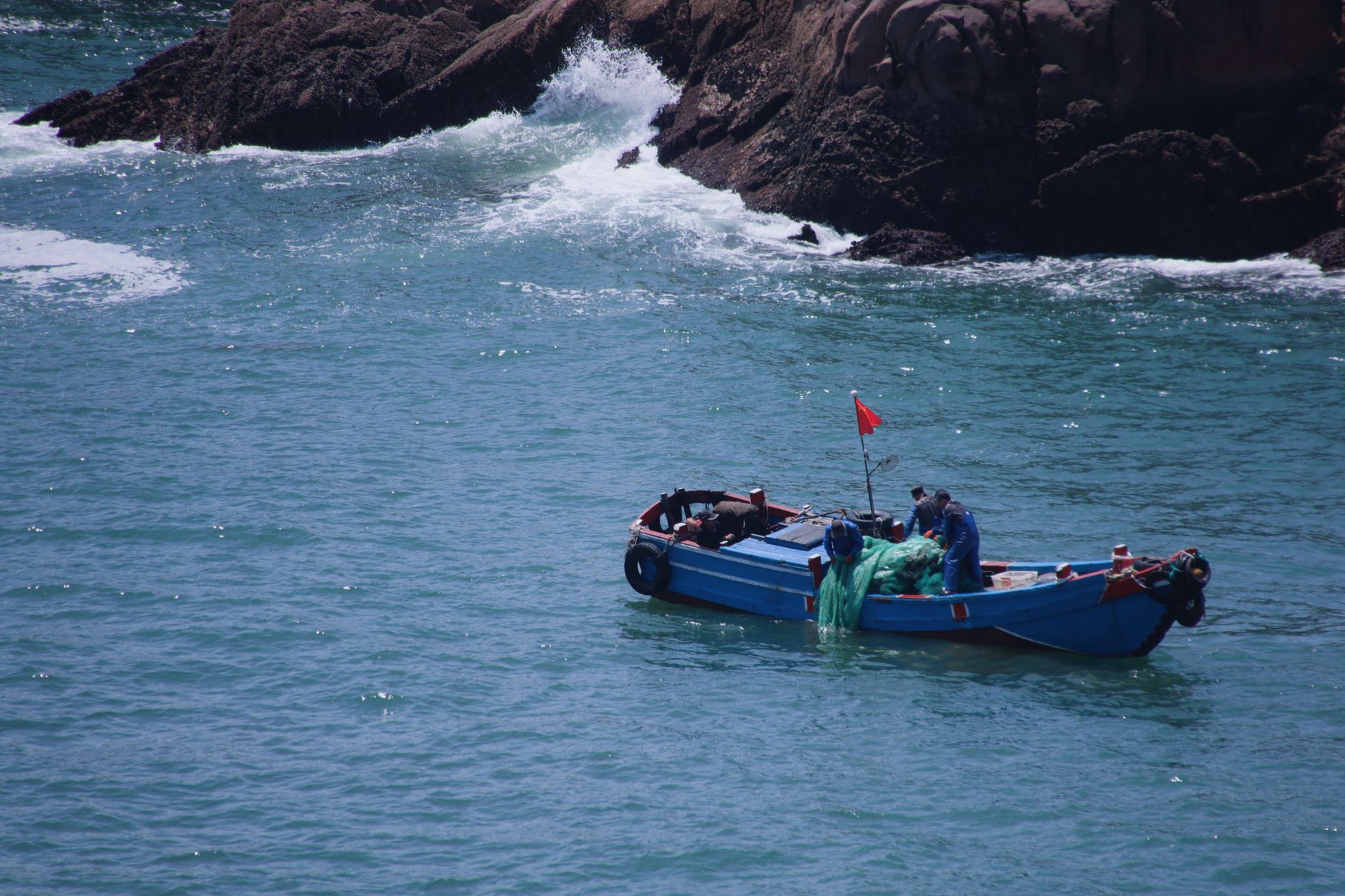
British boats are hauling up a different ocean than the one their skippers grew up with. As the seas off the UK warm faster than most of the north Atlantic, warm-water species are moving in and cold-water ones are heading for the exits, and the inshore fleet is left improvising.
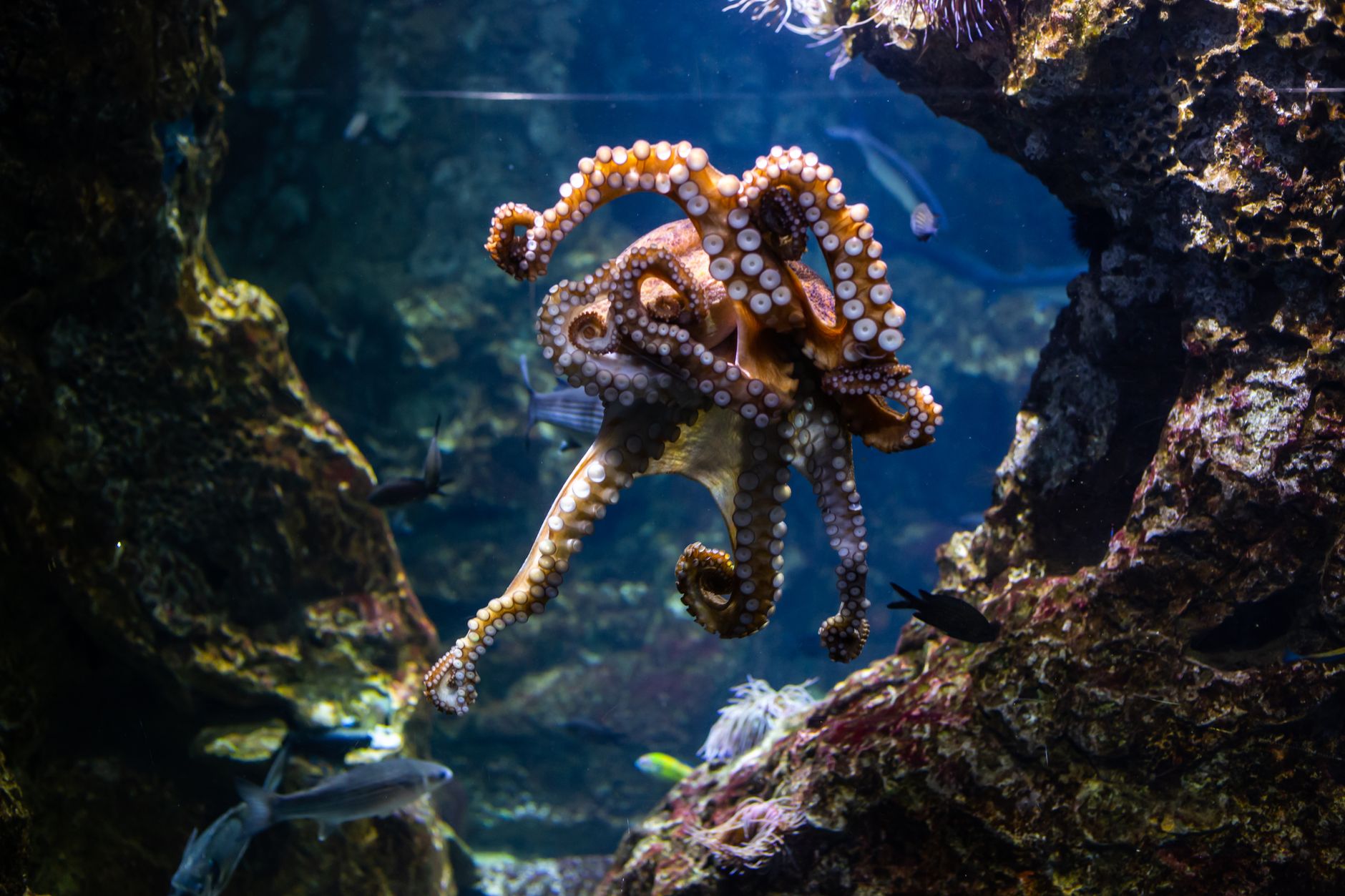
The clearest sign is an explosion of octopus off southwest England, the biggest such bloom in at least 75 years. It has been a curse for potters: octopus crawl into crab and lobster traps and clean them out. In one survey of 40 fishers, over half reported losses, with brown crab, lobster and scallop catches down 30 to 50 percent through 2025. "The octopus bloom is not a blip - it's a sustained threat," said Councillor Tudor Evans, leader of Plymouth City Council.
Researchers see it as part of a pattern, not a fluke. "An extraordinary event that tells us a lot about how marine life is responding to a warming ocean," said Dr Bryce Stewart of the Marine Biological Association. "Shifts in the marine climate are reshaping our ecosystems," added Professor Tim Smyth, director of science at the Plymouth Marine Laboratory, whose modelling projects sardines shifting up to 80 miles north by 2100, bluefin tuna growing more common, and North Sea cod and saithe falling 30 to 40 percent under high emissions.
And the fish that stay put are getting leaner. Analysing the stomach contents of more than 50,000 predators over 35 years, a study in Nature found warming plus heavy fishing forces predators onto smaller prey. "Our findings show that in oceans that are both warmer and heavily fished, predators must eat smaller prey to survive," said lead author Amy Shurety of the University of Essex, who argues the answer runs through the kitchen as well as the quota: "Sustainable fishing and eating a more diverse range of seafood at home can help protect marine ecosystems as the climate changes."