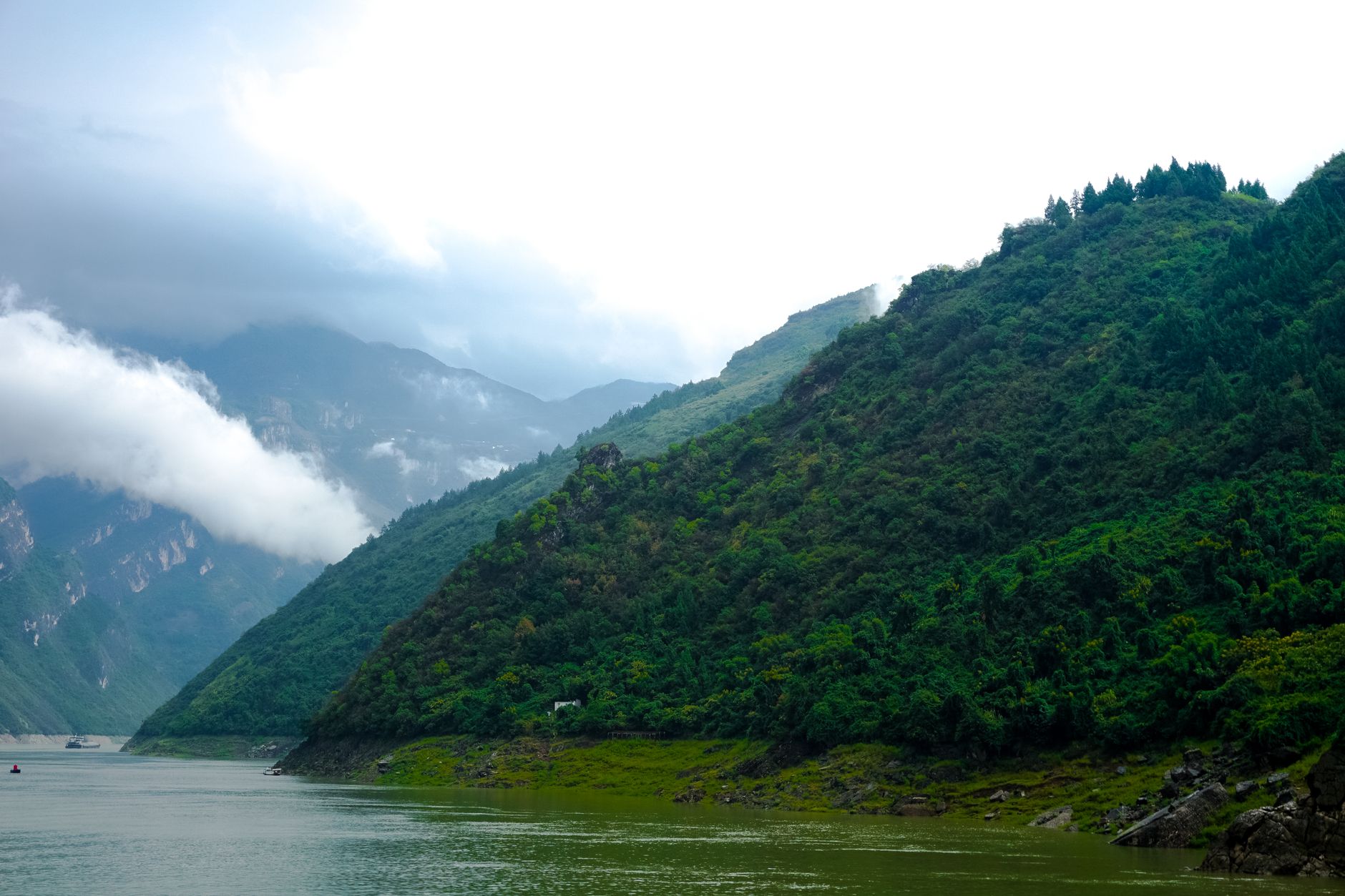
Sunday night is the final whistle for Tasmania's 2025-26 brown trout season. The Inland Fisheries Service has confirmed the closure runs from 11:59 pm on Sunday 3 May 2026 until the new season opens at the start of Saturday 1 August 2026.
For the highland lake regulars, that is three months of stocked-water-only fishing. For the rest of the country watching the Tasmanian season from a distance, it is the cue to look back at one of the more interesting years the island has produced in recent seasons.
Healthy autumn-into-winter rainfall last year left the lakes full at opening. Brown trout came out of the cold months in good condition and the dry-fly water held up across the spring and summer.
The IFS notice is worth reading in full because Tasmania's "closure" is a layered thing. A long list of named waters stays open through the end of May, including Lake Mackintosh, Lake Rosebery, Dee Lagoon, Lake Rowallan and Lake Skinner, along with stretches of the Brumbys Creek, Macquarie River, Meander River, South Esk, Mersey, River Leven and Weld River.
A second set of waters never closes at all. Brushy Lagoon, Craigbourne Dam, Yingina/Great Lake, Huntsman Lake, Lake Barrington, Lake Burbury, Lake Meadowbank, Lake Pedder, Lake King William and the Bradys chain (excluding the whitewater inflow) all remain open year round, alongside named river sections including the Huon, North Esk, Kanamaluka/River Tamar, River Derwent, lower River Leven and lower South Esk.
The IFS told anglers what its winter looks like in one line: "Our team will be busy through the winter stocking your favourite waters."
The on-water perspective from the season came from Trout Tales, the guide service run by Matt Stone, who used his end-of-season write-up to make a point about how Tasmania actually fishes through a tough weather year.
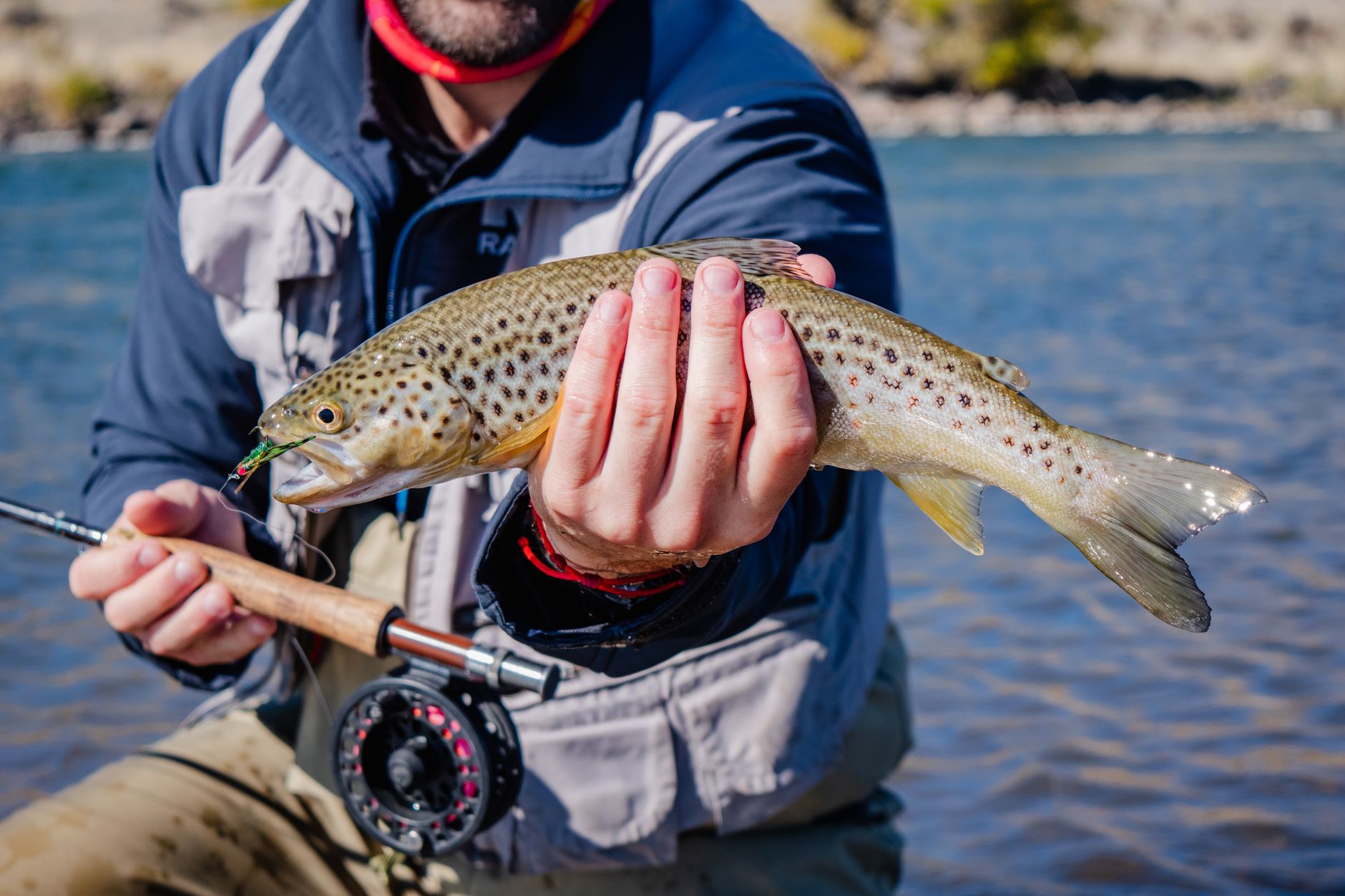
"Tasmania always rewards the angler who's adapts," Stone said.
That was the season's defining theme. A wave of unsettled mid-season weather pushed the insect activity and the feeding fish into afternoon hours. Anglers who showed up at first light and left frustrated at lunchtime missed the bite.
"Clients who trusted the process and adjusted their timing" got the most out of the season, Stone said.
Penstock Lagoon was the standout water of the year, with March and April spinner hatches Stone described as "particularly strong." Bronte Lagoon fished well across summer on mayfly and spinner activity, especially under light north-westerly afternoons. Currawong Lakes carried mixed-condition fish through the warm months on prolific blue damsel and red spinner action. The Tyenna River, on the other hand, delivered the rivers-side highlight close to Hobart - low water concentrated fish, and the dry-fly opportunities were consistent.
The patterns that earned their keep through the season included blue damsels on warm afternoons around lake margins, parachute duns from mid to late season, the Guides Tag nymph as a variable-conditions option, an MKII Woolly Bugger for late-season subsurface, and an Orange Bead Black Nymph for the no-hatch days.
By the back end of the season, the operating philosophy was simple. "Fishing early and late in the day" was where the fish were, Stone said, with warm calm mornings favouring midge work and the cooler days favouring evening sessions.
The IFS yellow-tag trout promotion stays live across the closure. Twenty-seven tagged fish remained uncaught at the close of the season, including a $25,000 tag in Great Lake and two $5,000 tags in Arthurs Lake. The promotion carries into the 2026-27 season.
That is the bookend on a strong year. The rivers and the highland lakes go quiet on Sunday night. The 2026-27 opener is the first of August.