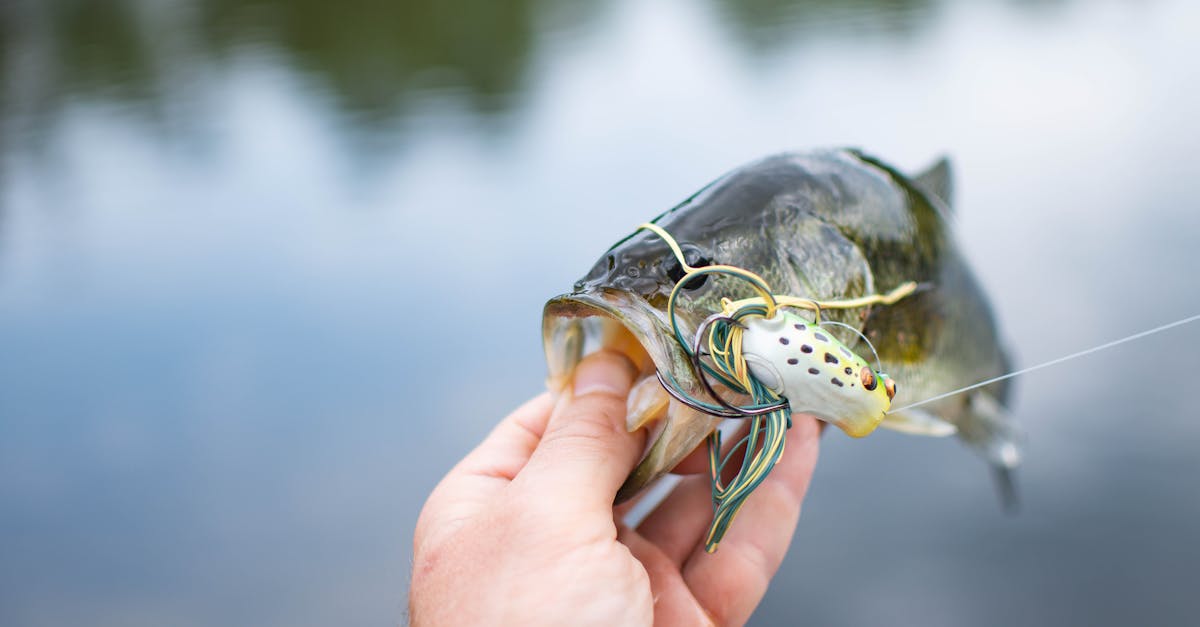
Coastal anglers in New South Wales are once again under a no-take rule for two of the state's most popular freshwater natives, with the annual Australian bass and estuary perch closure now in force until 31 August 2026.
The four-month winter shutdown is run by the Department of Primary Industries and Regional Development, and it covers every tidal river and estuary in NSW. From the Tweed in the north to the Towamba in the south, every Australian bass or estuary perch hooked over the next four months has to be released alive.
DPIRD director Ian Lyall, the agency's voice on freshwater fisheries policy, said the closure exists for one reason. The fish are about to breed.
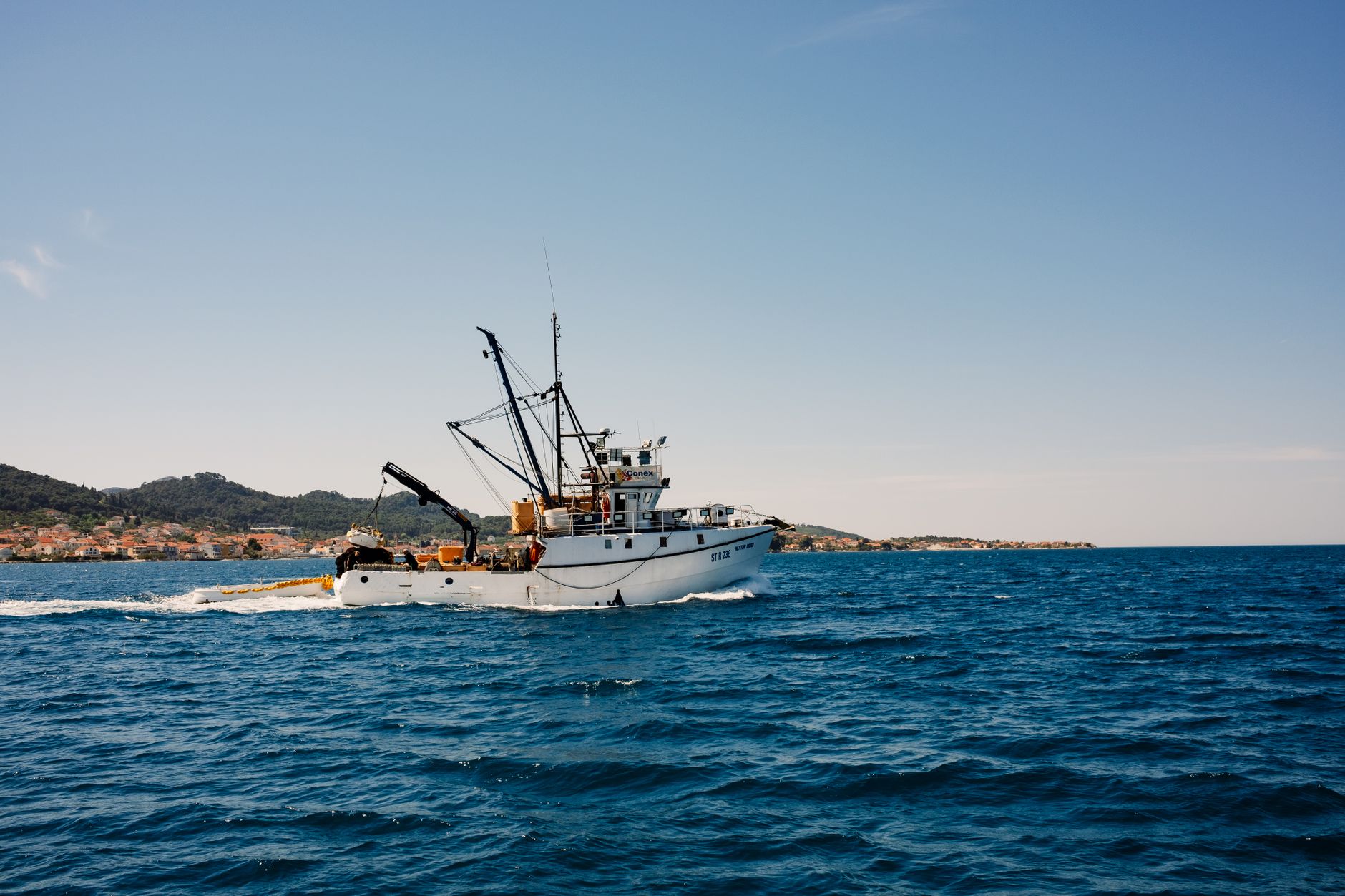
"Over winter, Australian Bass and Estuary Perch move downstream in large numbers, aggregating in estuarine waters where conditions are suitable for breeding," he said.
Both species are catadromous. Adults that spend the warmer months upstream in freshwater pools and snags drop into brackish estuaries through autumn, congregating in the salinity zones where their eggs can survive. By May they are bunched up, vulnerable, and easy to catch in numbers.
"This migration and spawning phase is critical to the future of these species, and the temporary no-take rule helps ensure they can reproduce successfully without disturbance," Lyall said.
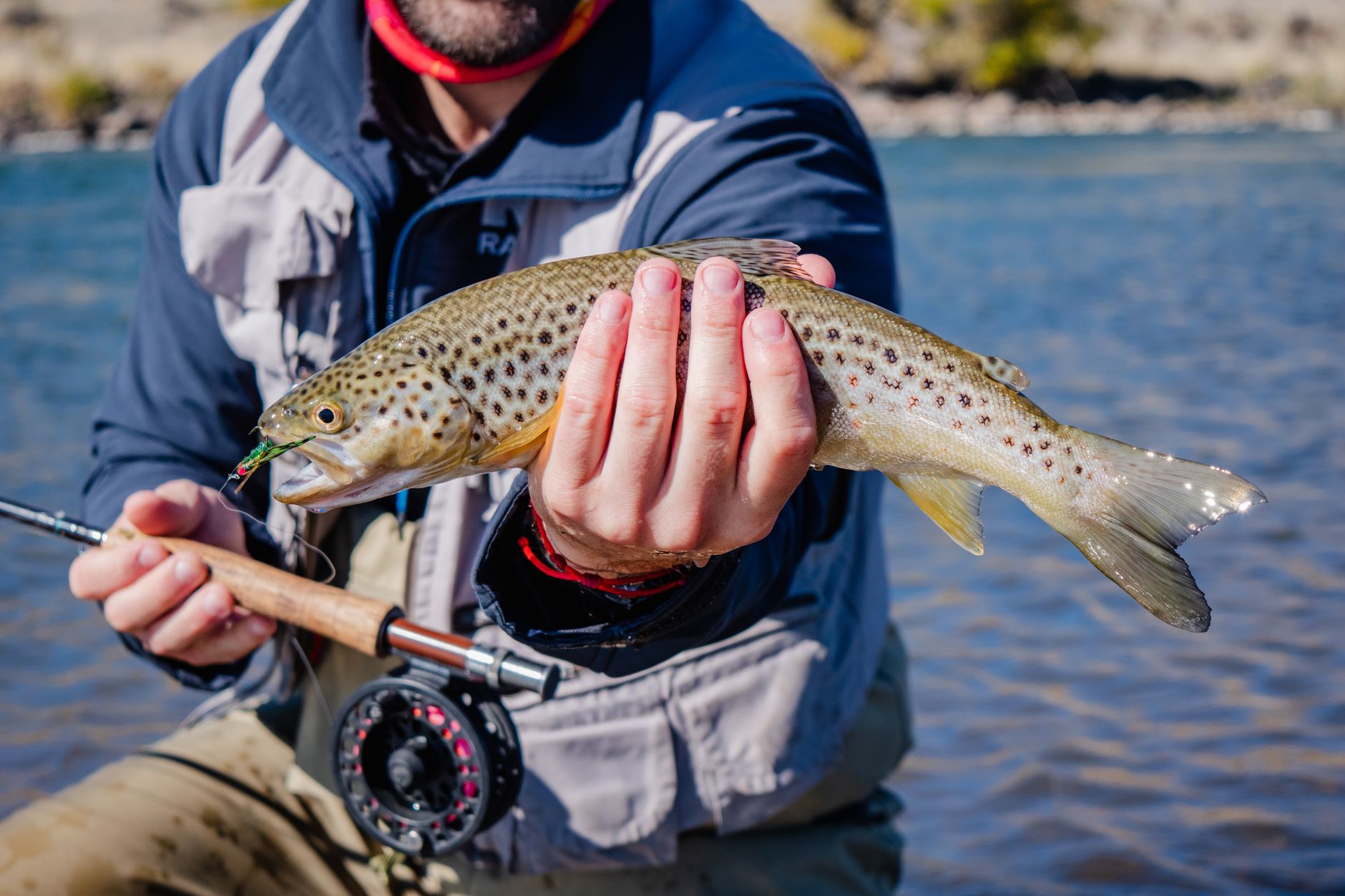
The director was clear that the rule covers every method and every situation. There is no exemption for incidental capture by anglers fishing for bream, flathead or mulloway in the same water column.
"Any Australian bass or estuary perch incidentally caught during the closure - in estuaries or in rivers downstream of dams - must be immediately released back into the water unharmed," he said.
There is one significant carve-out. The closure does not apply to stocked freshwater impoundments such as Lake St Clair, Glenbawn Dam, Glennies Creek Dam and Lostock Dam, nor to the river reaches sitting above the major dam walls. Bass that have never had access to brackish water are not part of the spawning run, and DPIRD treats those impoundment fish as a separate fishery.
For everyone else, including the fly anglers who chase late-autumn estuary perch on tidal rivers like the Hastings and the Macleay, the rule is absolute until midnight on 31 August. Treble hooks should come off where possible, and any bass or perch lifted into a boat needs to be back in the water within seconds.
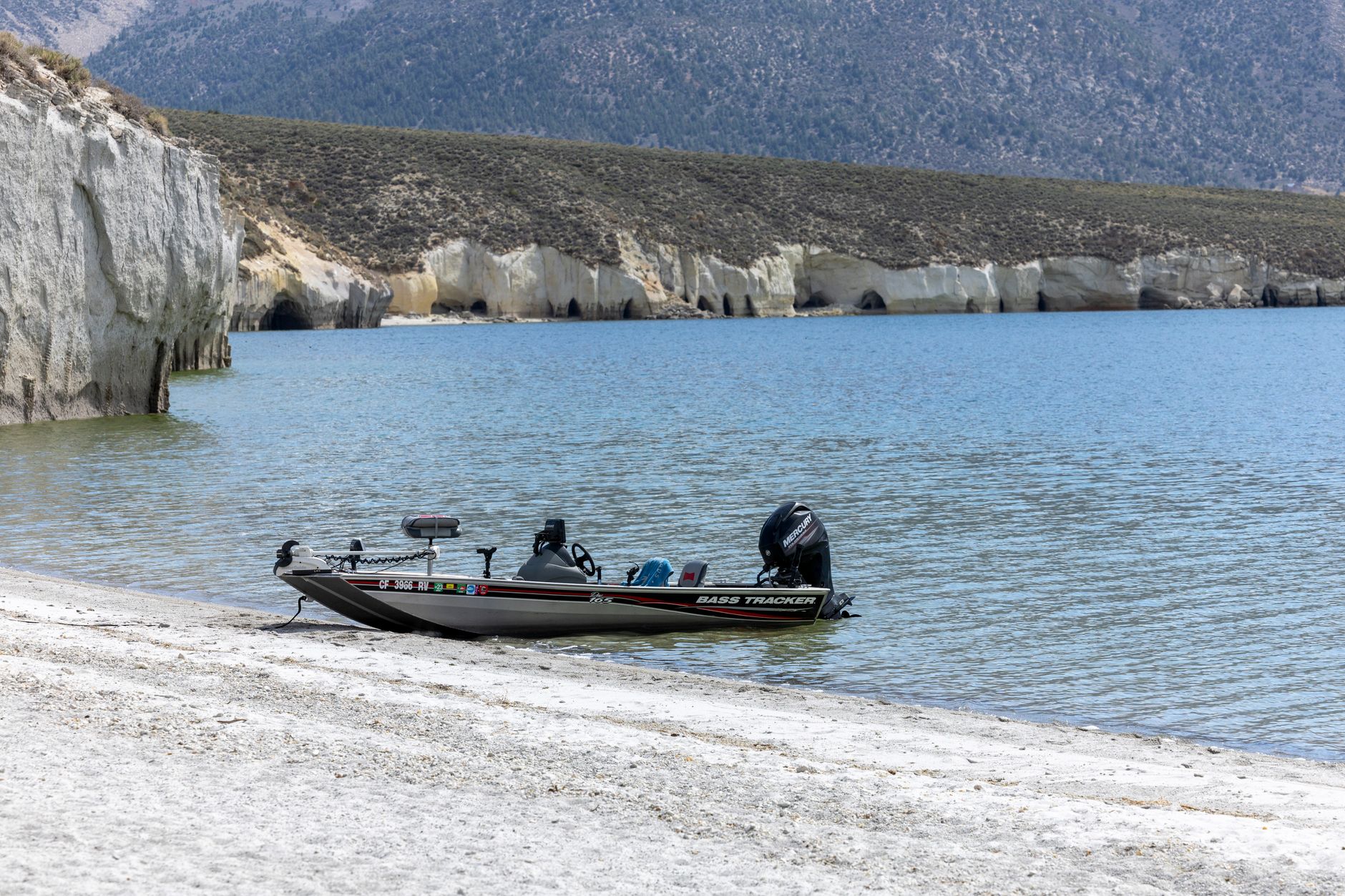
DPIRD describes the closure as a "proven conservation measure" and Lyall summed up the agency's view in a single line.
"Protecting these fish at such a vulnerable stage is key to maintaining strong populations into the future."