There is a reason most beach and estuary anglers go home with one or two flathead instead of a feed - and according to Shannons Fishing, it is almost always one of five repeat mistakes. The long-time southern flathead chaser has put together a soft-plastic primer aimed at the angler who casts hard all day and barely registers a hit.
"If you're throwing soft plastics around and not catching fish, the chances are you're making one of the few common mistakes," he opened, before laying them out one at a time.
The first is retrieve speed. Shannons watches anglers "casting and casting and casting and wondering why they're not catching fish," ripping their paddle tails and curl tails at a pace that drags the lure right out of any predator's strike window. His fix is restrained. "Cast out. Let the plastic sink to the bottom. And then just watch your wrist. Just go one, two. Just little tiny ribs. Little tiny, you know, nudges up."
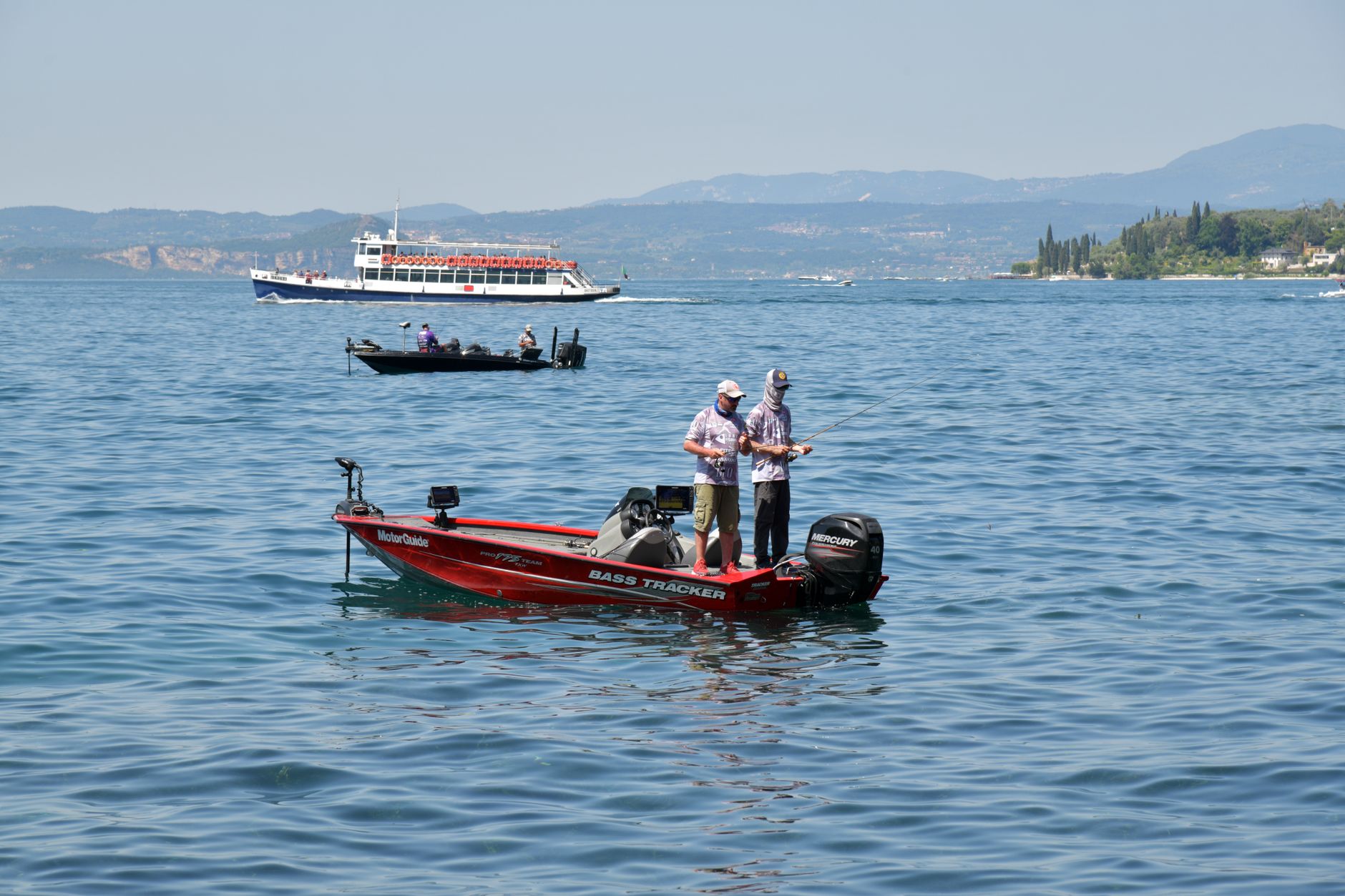
The pause carries the day. "Nine times out of 10, you're going to get your strikes when it's stopped on the bottom," he said. "Small lift, small pauses, but on the pauses, nine times out of 10, that's when the fish are going to strike, or 90% of the time they're going to fish." The tail of any decent paddle or curl plastic, he argued, has its own action in current - the angler does not need to over-work the rod.
Mistake two is jig-head choice. Shannons said the tackle-shop conversation has shifted noticeably, with more anglers walking in unsure how to match weight to depth. His shortcut: ask how deep, and ask how much current. For southern flathead in two metres or less he runs around a 3/8 oz head; deeper or more tide calls for more weight, slack tidal back canals for less. "You don't want to put a little tiny thing on there where it just doesn't sink," he said, but warned that too heavy is just as bad - "they'll sink like a brick straight to the bottom, pull the plastic down, just go bang straight to the bottom and that's it."
Mistake three is plastic size for species. Big mulloway-sized plastics will not interest a bream, and a bream-sized profile will not pull a 30 lb to 40 lb jewfish. "Don't go buying that when you're chasing brim and buying that for drew fish," Shannons said. He also recommended downgrading - not upgrading - on tough days, with smaller plastics and lighter heads producing strikes when the bigger profiles refuse.
Mistake four is fishing dead water. Shannons sees anglers cast at clean sand for hours along beautiful southern beaches and pick up nothing but the occasional rat flathead. His fix is hunting structure: pylons, pontoons, dead trees, weed-and-sand edges, and even neglected boats that have been moored long enough to grow a hull garden. "Cast around those, but cast a really light jig head around those with your plastic so it doesn't sink to the bottom quickly," he advised - jacks, trevally and other ambushers will be tucked underneath.
The tide-fed drains running off sand flats are another high-percentage spot. "As the tide's dropping and you see the water flushing out, fish that drain cuz that drain's pushing out the bait and everything else and that's where predators are sitting," Shannons said. Bigger drop-offs at the back of those drains can hold school jewfish stacked on top of resident flathead.
The last mistake is the cheapest fix of all - watching the line. Shannons sees anglers "yacking away or talking to the mates or looking at the scenery" while their plastic falls through the strike zone unnoticed. "A lot of the time you'll have a hits on the way down and you won't feel it, but you watch your line, you'll see like a little movement in your line. You know a fish is there."
None of it is new advice. But for the angler whose plastic box is full and whose esky still is not, Shannons reckons the difference between blanking and bagging out almost always sits inside one of those five fixes.