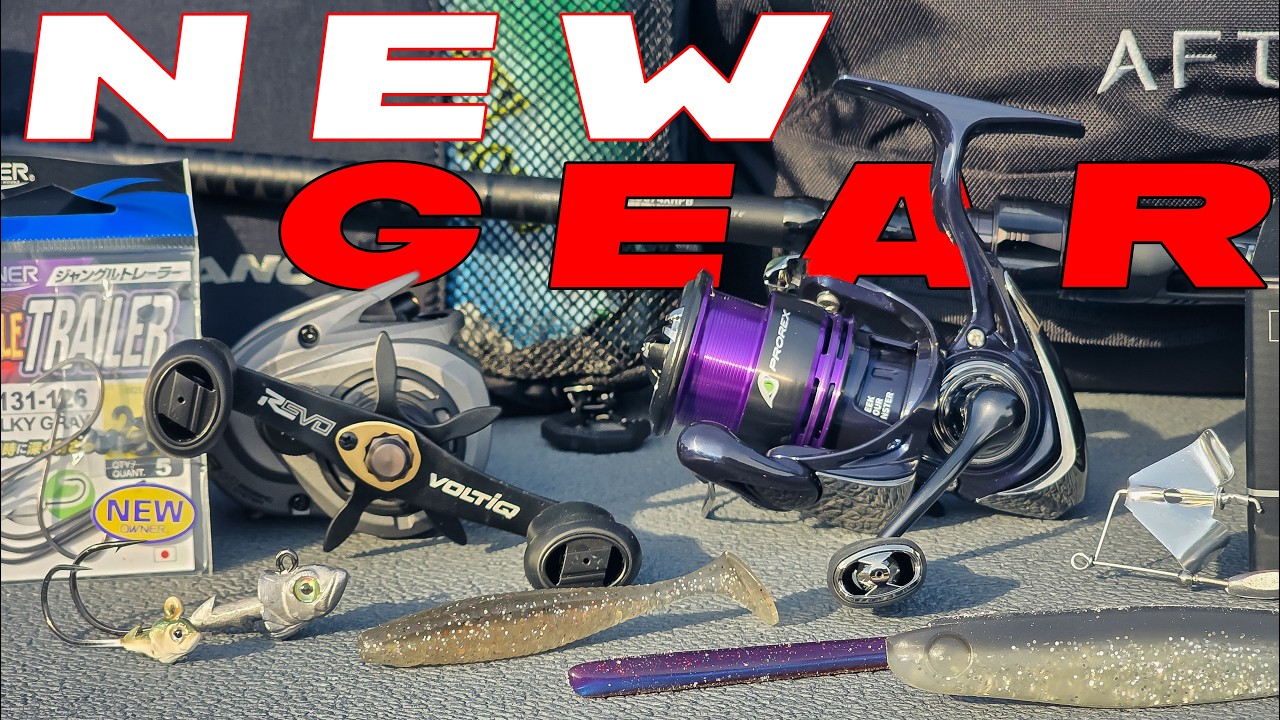
Shannons Fishing has dropped a no-frills soft-plastics breakdown aimed squarely at the Australian angler who keeps casting all day and going home empty. The verdict from the long-time flathead chaser: most fishermen are doing too much, not too little.
"If you're throwing soft plastics around and not catching fish, the chances are you're making one of the few common mistakes," he opened, before laying out the problems one by one.
Mistake one is retrieve speed. Shannons sees too many anglers "casting and casting and casting and wondering why they're not catching fish," working their paddle tails and curl tails at a pace that pulls the lure away from any fish that bothers to look. His fix is deliberately understated. "Cast out. Let the plastic sink to the bottom. And then just watch your wrist. Just go one, two. Just little tiny ribs. Little tiny, you know, nudges up."
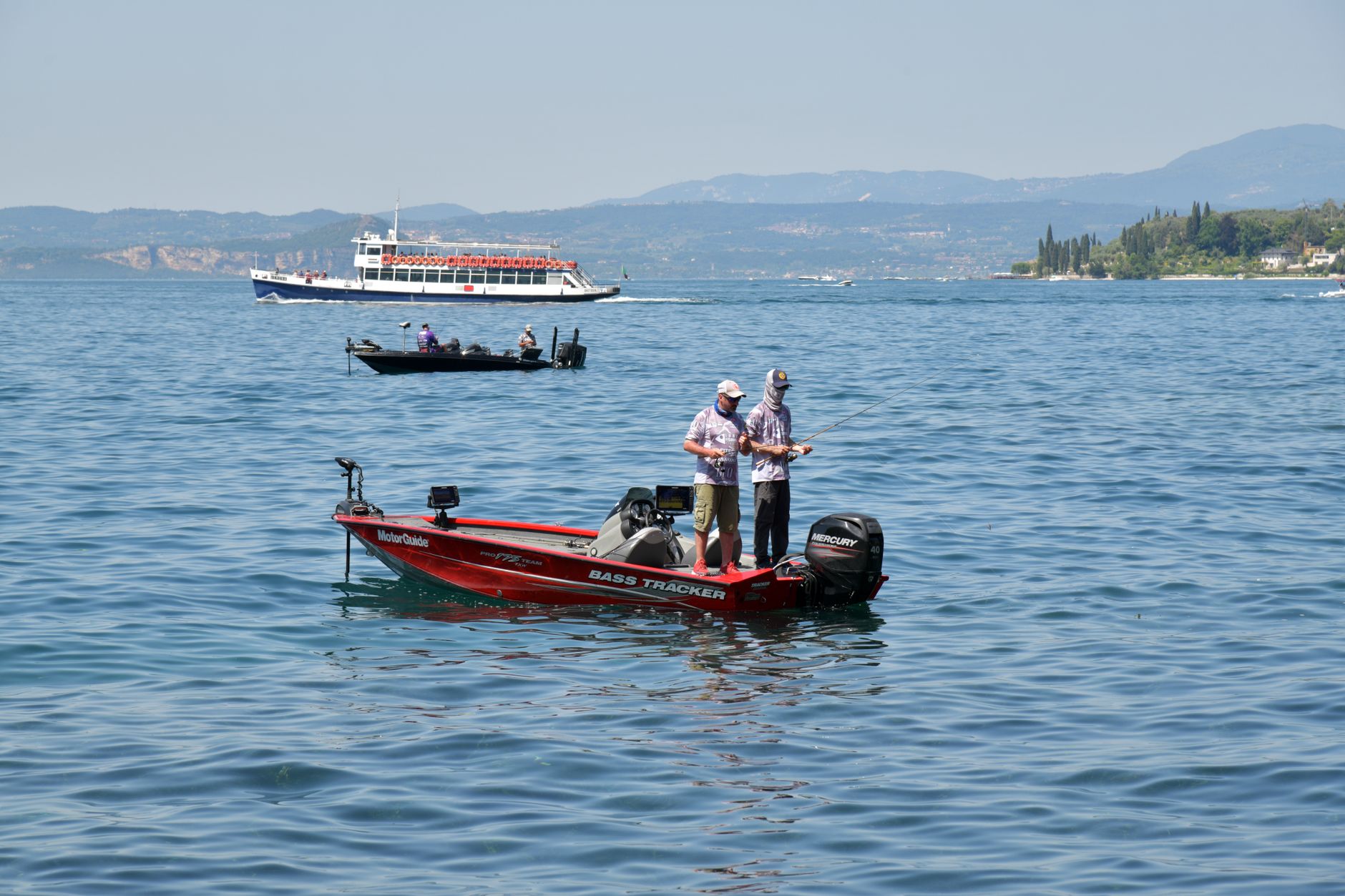
The key is the pause. "Nine times out of 10, you're going to get your strikes when it's stopped on the bottom," he said. "Small lift, small pauses, but on the pauses, nine times out of 10, that's when the fish are going to strike, or 90% of the time they're going to fish." Soft tails, he argued, have their own action in any current, so the angler does not need to add much.
Mistake two is the wrong jig head. Shannons said tackle-shop conversations have shifted in recent years, with more anglers walking in unsure how to match weight to depth. His shortcut is to ask two questions: how deep and how much current. For southern flathead work over two metres or less, he runs around a 3/8 oz head; deeper or more current calls for more weight, slack tidal back-canals for less. "You don't want to put a little tiny thing on there where it just doesn't sink," he said, but warned that too heavy is just as bad - "they'll sink like a brick straight to the bottom, pull the plastic down, just go bang straight to the bottom and that's it."
Mistake three is plastic size for the species. Big mulloway-sized plastics are not bream lures, and small bream plastics are not going to interest a 30 lb to 40 lb jewfish. "Don't go buying that when you're chasing brim and buying that for drew fish," Shannons said. On tough days, he added, the answer is to downgrade rather than upgrade - smaller lighter heads and smaller lures will often trigger a bite when bigger profiles cannot.
Mistake four is fishing open sand. Shannons said he has watched anglers cast for hours along clean beaches and pick up only a small flathead or whiting for their trouble. The fix is to hunt structure: pylons, pontoons, dead trees, weed-and-sand edges, and even "boats anchored in the channel" with years of growth on them. "Cast around those, but cast a really light jig head around those with your plastic so it doesn't sink to the bottom quickly," he advised, because jacks, trevally and other ambushers will be sitting underneath.
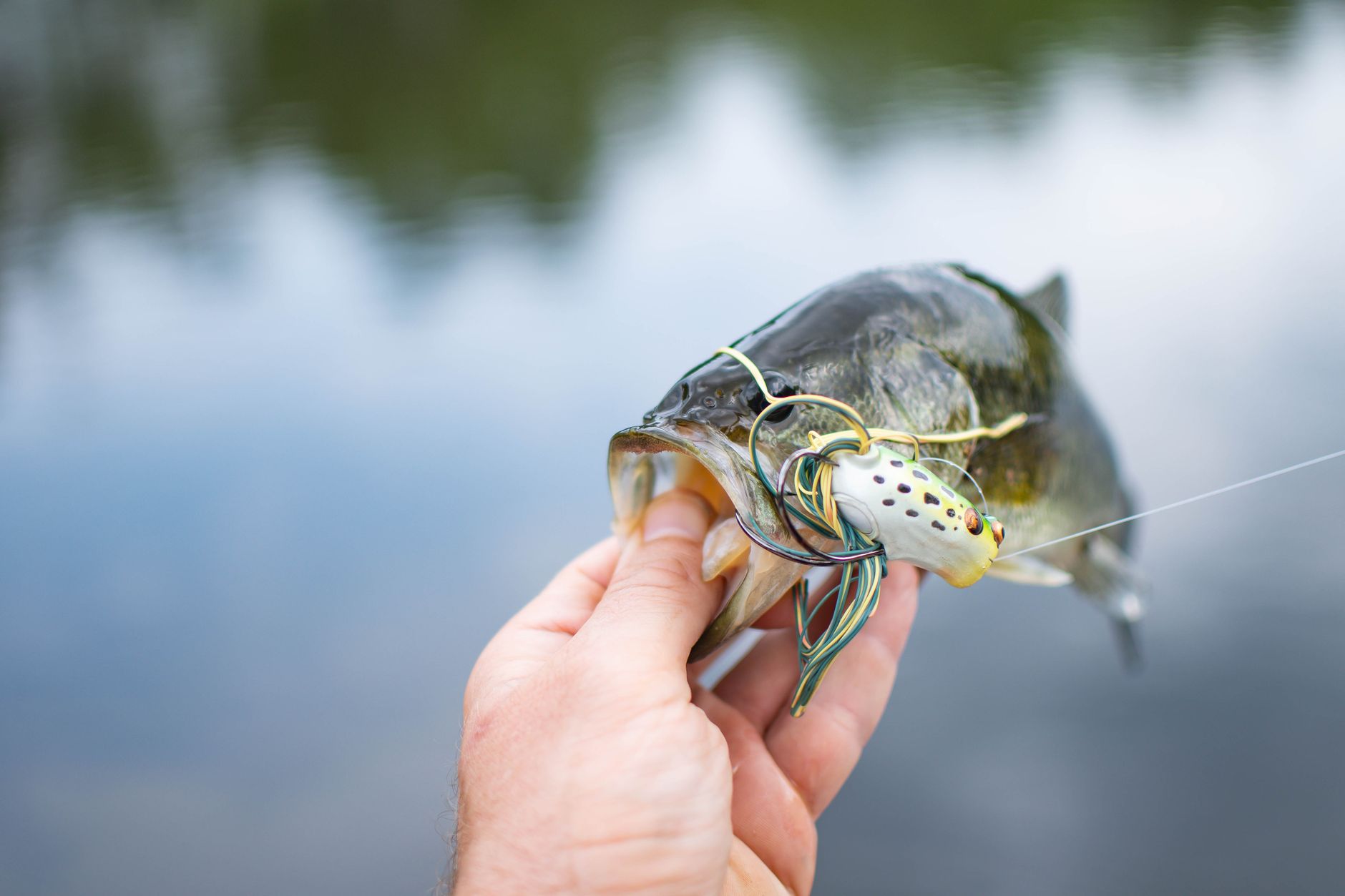
He also flagged tidal drains as a high-percentage target. "As the tide's dropping and you see the water flushing out, fish that drain cuz that drain's pushing out the bait and everything else and that's where predators are sitting," he said. Bigger drop-offs at the back of drains can hold school jewfish on top of resident flathead.
The last mistake is the cheapest to fix: not watching the line. Shannons sees anglers "yacking away or talking to the mates or looking at the scenery" while their plastic falls through the strike zone untracked. "A lot of the time you'll have a hits on the way down and you won't feel it, but you watch your line, you'll see like a little movement in your line. You know a fish is there."
Slow the retrieve, match the head to the depth, fish the structure, and keep your eyes on the line - none of it is new, but for anglers who keep going home blanked on plastics, Shannons reckons it is almost always one of those five.