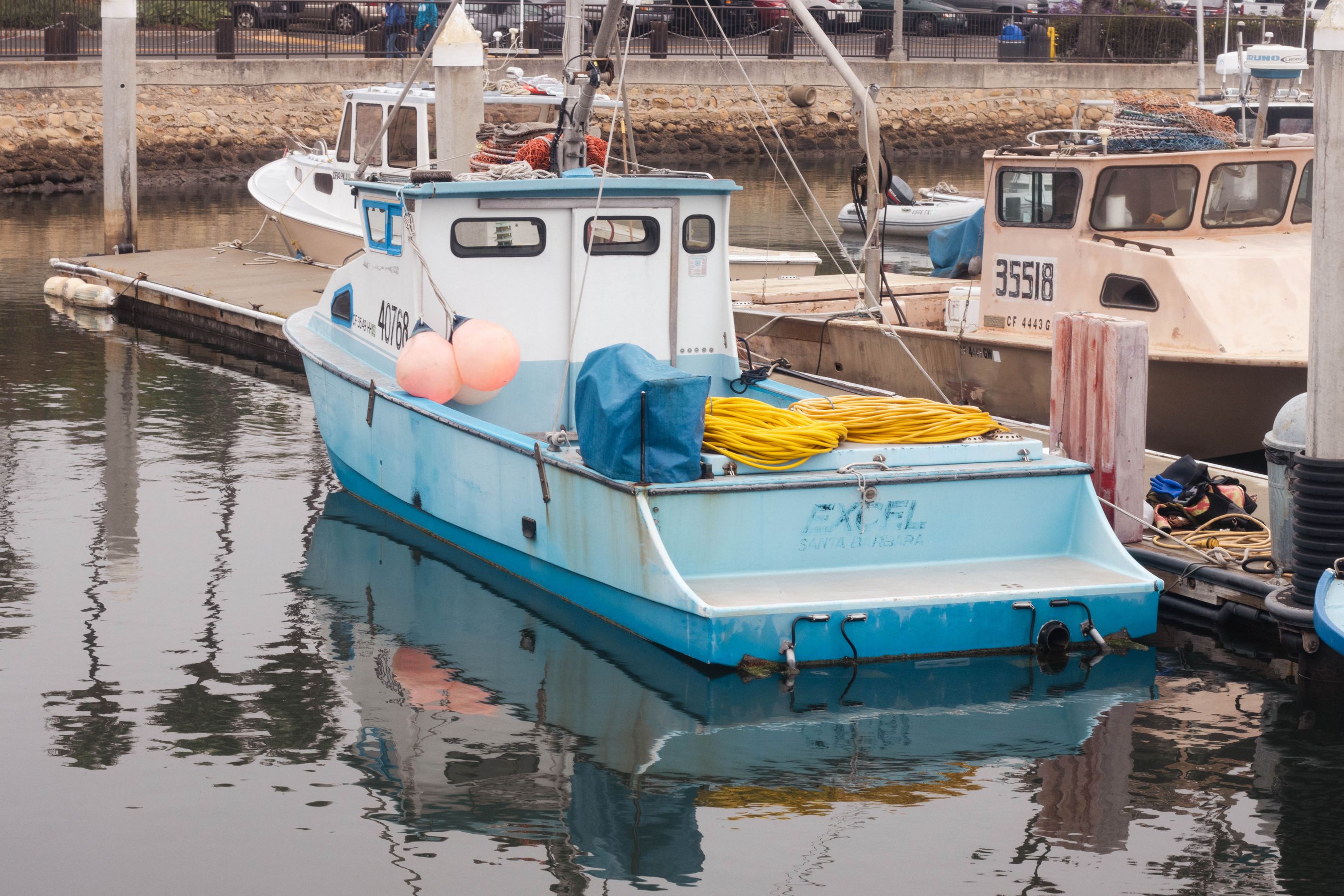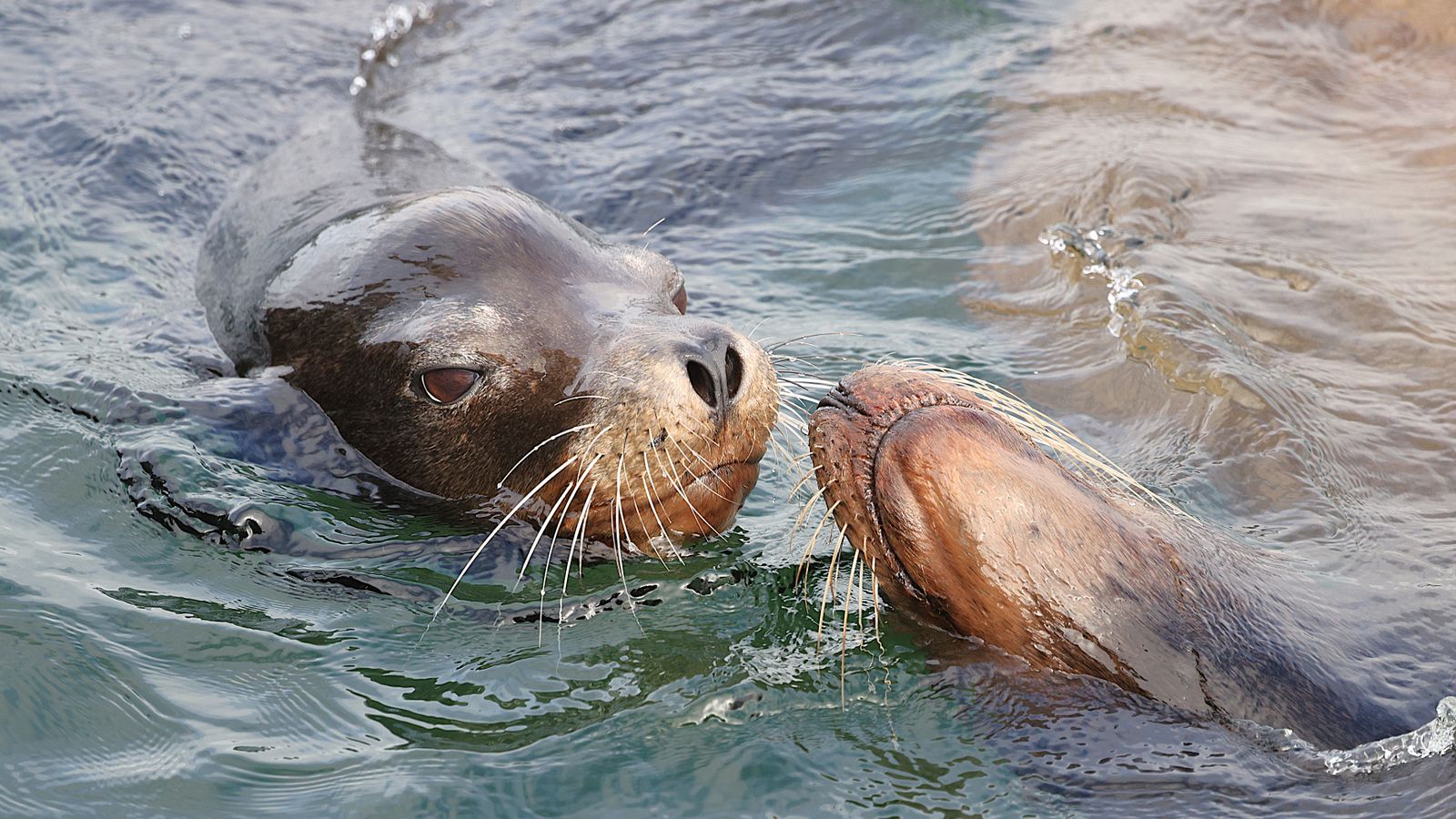
For anglers along the Columbia River, the sight is familiar and infuriating: a hooked salmon coming to the boat already torn open by a sea lion. That frustration reached a House committee this week, as federal lawmakers reopened a decades-old argument over whether killing more marine mammals can save the Pacific Northwest's vanishing salmon.
The House Subcommittee on Water, Wildlife and Fisheries heard testimony Tuesday on bipartisan legislation that would relax the Marine Mammal Protection Act, giving Washington state and Western Washington tribes broader authority to remove sea lions and harbor seals. Fourteen runs of salmon and steelhead in the state are already listed as at risk of extinction, and backers argue predators are one threat wildlife managers can tackle immediately.
"We have to find ecosystem balance," said Rep. Emily Randall, D-Bremerton, who wrote the bill with Rep. Michael Baumgartner, R-Spokane. "Nonlethal methods of controlling the pinniped population haven't worked for us."
Protection has been a victim of its own success. California sea lions numbered roughly 8,000 in the 1950s and about 75,000 when the Marine Mammal Protection Act became law in 1972; today the population tops 300,000. Removals authorized by Congress in 2018 have been limited to bottlenecks at Bonneville Dam and Willamette Falls, where 508 and 54 animals respectively have been taken since 2008 at close to $40,000 apiece.
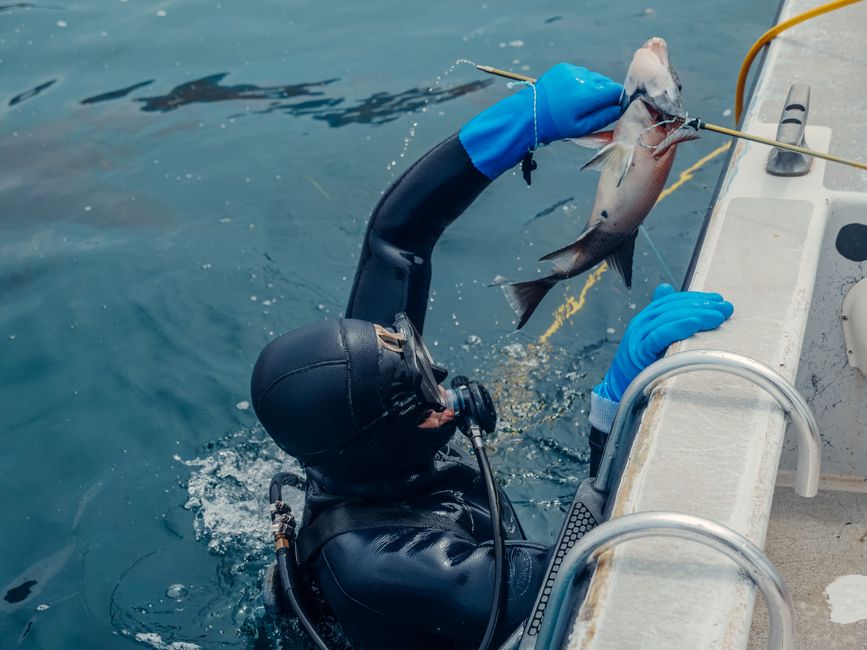
Rep. Marie Gluesenkamp Perez, D-Washougal, who filed a separate, narrower bill this month, said the anglers in her district settled the question long ago. "I have local fishermen telling me that nearly every salmon they pull out of the river have wounds from sea lions," she said. "The fact is, politicians in DC aren't out on our rivers, they're still living in a world of 1970s data points." She dismissed calls for further research: "We know that sea lions are heavy predators on our salmon and steelhead."
The Trump administration lent its weight to the effort. Tim Petty, the Commerce Department's assistant secretary for oceans and atmosphere, argued that current authority moved too slowly. "The Marine Mammal Protection Act already allows the targeted removal of predatory sea lions," he told the panel. "But that process hasn't moved the needle in salmon recovery on the scale that we need to move." He put it plainly: "We are so focused on trying to manage the salmon. We need to manage the pinniped the same way."
The pushback came from Democrats representing the same waters. Rep. Maxine Dexter, D-Ore., cautioned that predation sits alongside dams, habitat loss, pollution and warming rivers. "On the West Coast, we know salmon are the beating heart of the Columbia River," she said. "I'm concerned we're getting ahead of ourselves with the changes in this legislation." Rep. Jared Huffman said the measure "goes too far" without safeguards, and Rep. Val Hoyle, D-Ore., criticized the sponsors for leaving Oregon tribes out of the drafting. "Sea lions cross both sides of the river. They go from Washington to Oregon and back again," Hoyle said. "So we can't have a one-state solution."
The science was hardly a rubber stamp. Richard Merrick, a retired chief science adviser at NOAA Fisheries, testified that the bill was well meaning but would achieve little on its own, since suitable salmon habitat is scarce and fresh sea lions would replace any that are culled.
The fight has an ugly edge beyond the hearing room. Investigators near Bellingham are looking into the shooting of a baby harbor seal found this month with a bullet wound to its face, the third gunshot seal treated in a year by a regional rehabilitation group. The Northwest Indian Fisheries Commission, speaking for 20 treaty tribes, supports the broader bill. For now, neither proposal has reached a floor vote.