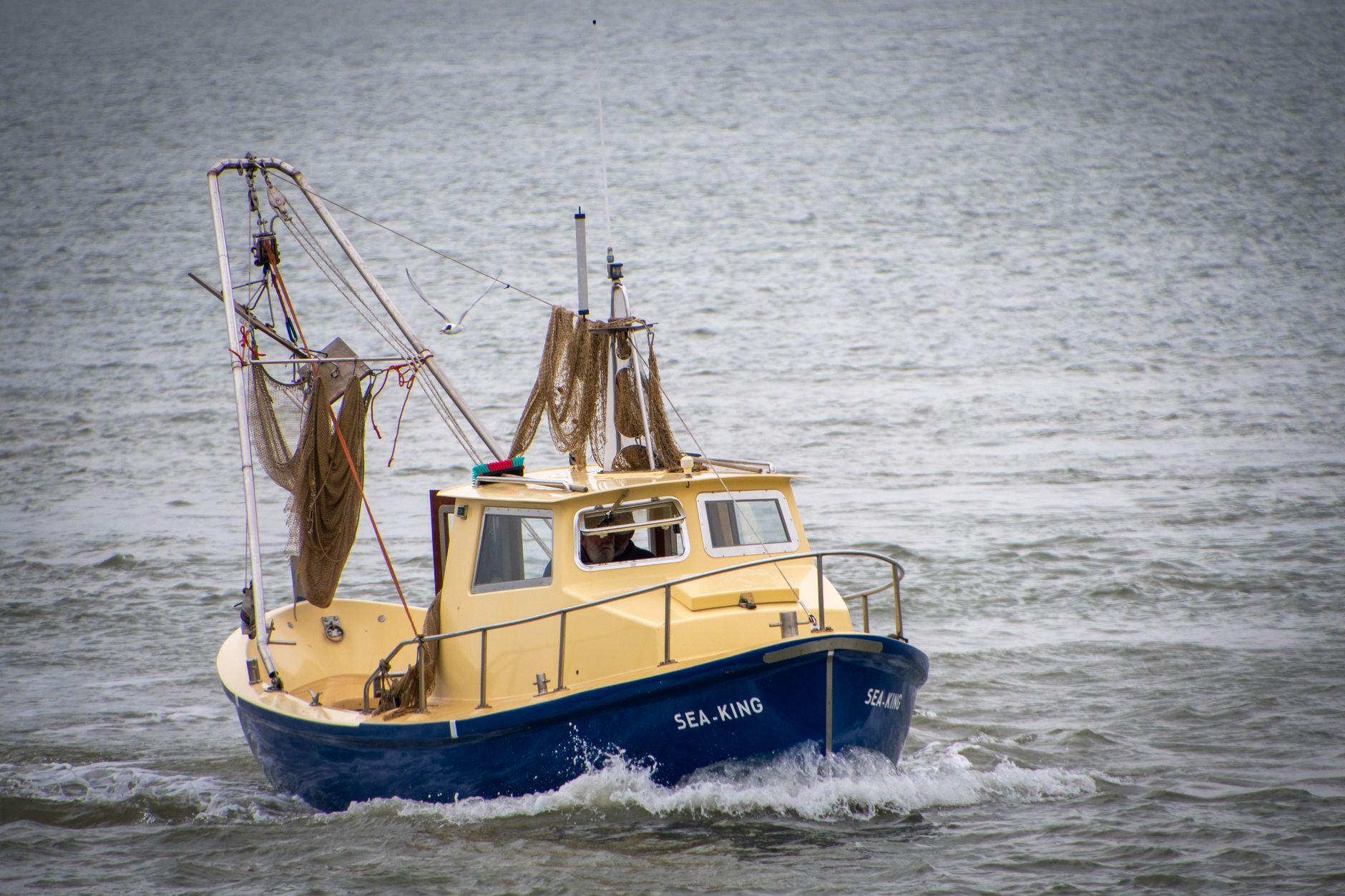
For the first time since 2022, sport anglers are back on the water off California's North Coast chasing ocean salmon, capping a three-year shutdown that gutted one of the West Coast's most storied fisheries.
The Pacific Fishery Management Council closed California's salmon season in 2023 after fall-run Chinook — the backbone of the ocean fishery — collapsed to critically low numbers. Commercial boats stayed tied up through 2025. This year the fishery reopened in phases, and by midsummer recreational fishermen off Sonoma and the North Coast were finding fish in numbers few expected.
"Miles and miles of salmon," is how Capt. Mike Harbarth of Sonoma Coast Adventures described the water off the Sonoma Coast. With a two-fish daily limit and steady grades of Chinook, the charter fleet has eased back into a season it had all but written off. Harbarth was in no hurry to call the fishery healed. "We're at a little less than half throttle right now," he said.
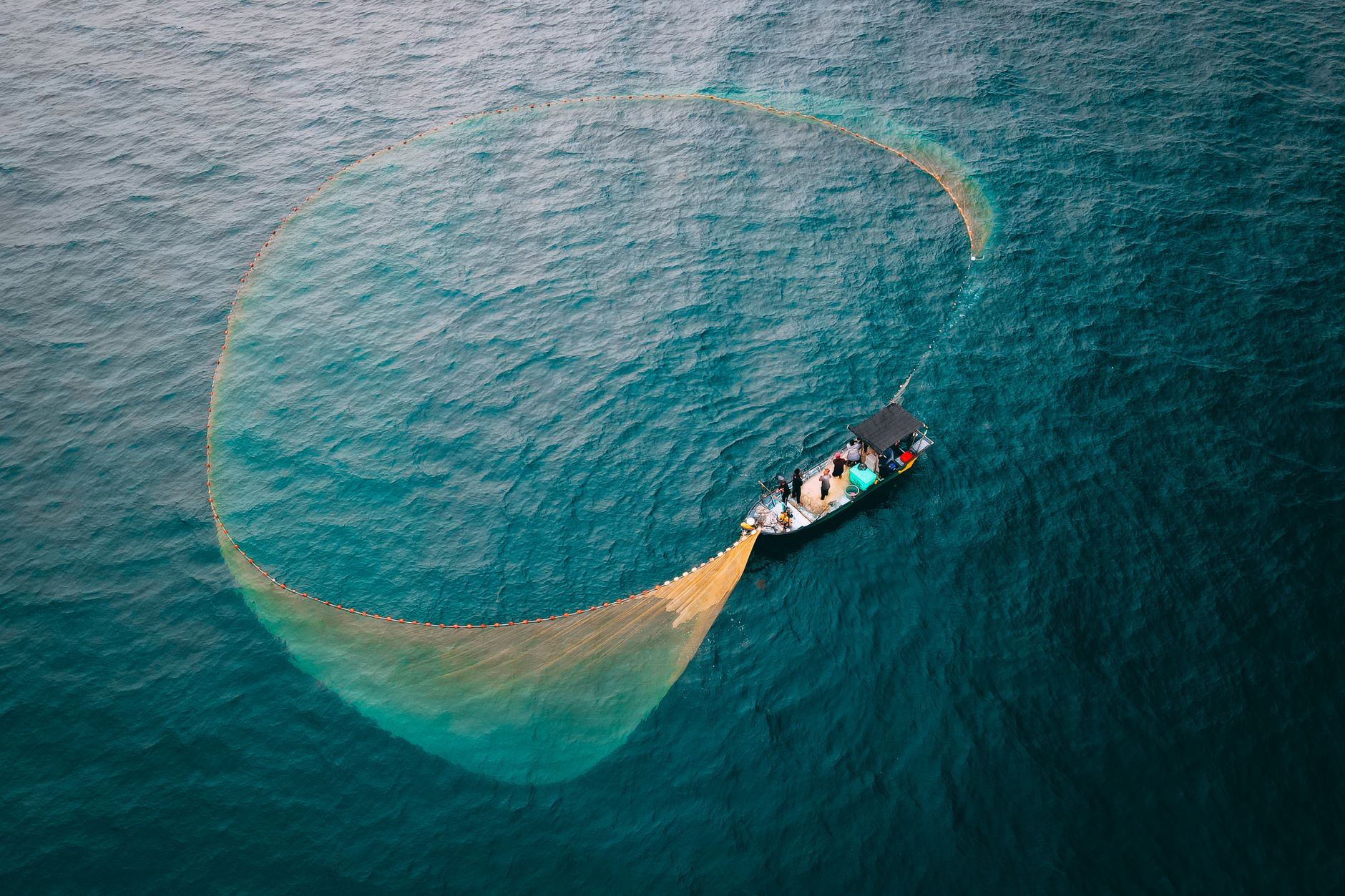
For the commercial fleet, the reopening is more complicated. Crews had landed roughly two-thirds of an 83,000-fish quota by July 1, a sign of strong early effort — but three lost seasons left deep scars.
"It basically took away what summer income these guys have," said Dick Ogg, a commercial fisherman and president of the Bodega Bay Fishermen's Marketing Association. "When you look at the cost of a vessel, the cost of a permit, the cost of fuel and then trying to maintain crew and insurance, it's a difficult situation."
Federal disaster money has softened the blow. NOAA announced $21.3 million in relief in June 2026, following $20.6 million distributed in 2024 — though the industry pegs its losses at roughly $90 million in the first two years of the closure alone. John McManus, senior policy director at the Golden State Salmon Association, credited the region's congressman: "Congressman Huffman was fierce in his pursuit of that disaster relief."
Scientists warn the rebound is fragile. Writing in The Conversation, UC Santa Cruz researchers Eric Palkovacs and Steven T. Lindley traced the crash to the extreme 2020–2022 drought, which pushed river levels down and water temperatures up as young salmon tried to reach the sea. California's Chinook, they noted, had fallen roughly 85% below their pre-2005 average, with about 90% of historic spawning habitat now blocked by dams.
The reopening, they cautioned, does not mean the crisis is over. "Today's good news for salmon could be short-lived once again," they wrote, unless the state overhauls water management, hatchery practices and habitat restoration together. "Any single action in isolation ... is unlikely to work."
For now, the fleet is taking the season for what it is: a return to the water after three years ashore, and a reason for cautious optimism from Bodega Bay to the Oregon line.