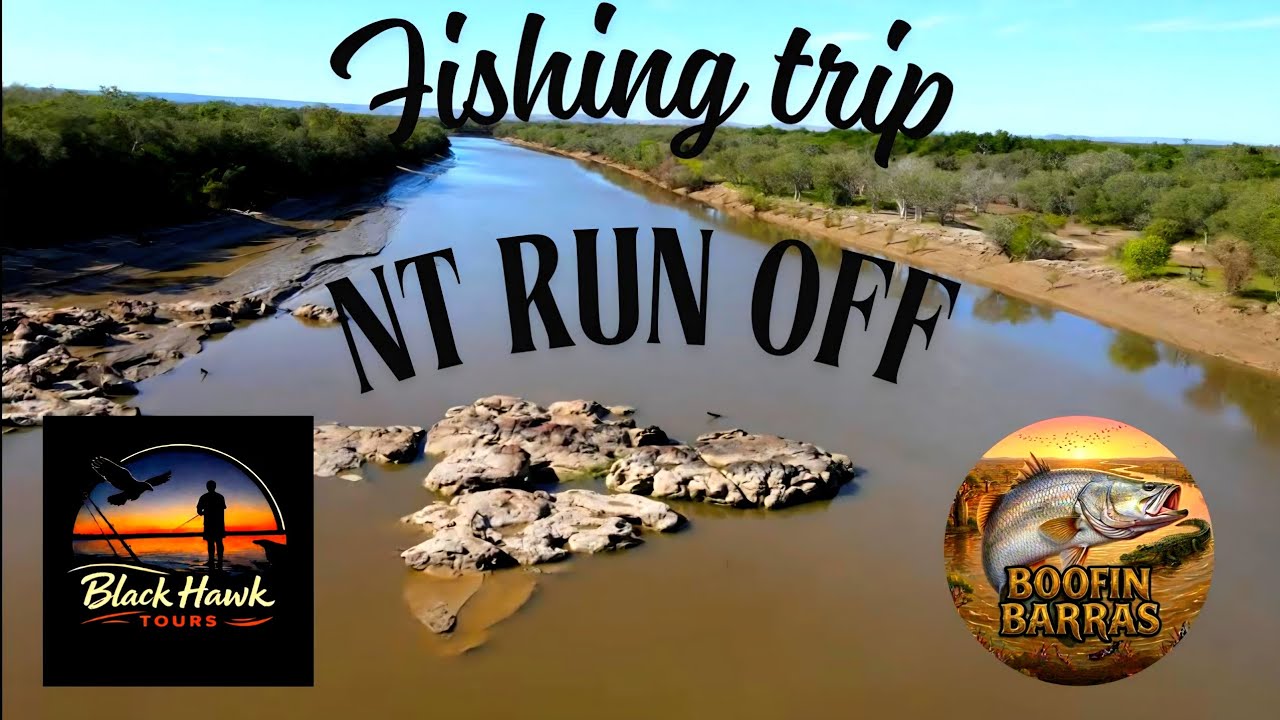
Land-based barramundi fishers have documented a gruelling quad-bike expedition into one of the East Kimberley's most remote tidal creek systems, navigating mechanical failures and large estuarine crocodiles to target boofing barra near the Northern Territory border.
The team from Boofin Kununurra, working with Black Hawk Tours, set out in mid-April for an unvisited creek system near Baines on the WA-NT border, riding quad bikes for two hours through bogs and challenging terrain to reach the fishing grounds.
The anglers timed their arrival for a major 8-metre tide push, targeting the confluence where freshwater flows meet tidal saltwater—a proven barramundi hotspot where the crew had previously landed metre-plus fish.
Despite widespread surface activity, the fishing proved technical. Barramundi were boofing aggressively throughout the session, but hookups were difficult to secure. The team worked poppers across the moving water as the massive tide surged into the creek system.
A large estuarine crocodile, estimated at four to five metres, added drama to the session. The animal showed no fear of the anglers, surfacing repeatedly in the fishing zone. The crew noted the reptile likely hadn't encountered people in months, making it bolder than crocodiles in more frequently visited areas.
As the tide continued its inward surge, the team relocated to the creek mouth, anticipating better action on the turn. The strategy paid dividends, with Gilly connecting with multiple fish in quick succession.
One particularly memorable barramundi reached the magical metre mark, measuring exactly 101 centimetres—Gilly's second metre-plus fish of the year. The fish was carefully measured, photographed, and released.
All barramundi were released as part of the crew's catch-and-release approach to the remote fishery, ensuring sustainability in these rarely accessed systems.
After exhausting the initial creek system, the team faced another 45-minute quad ride to a secondary location, where they continued targeting barra in weed beds and along structure.
The adventure highlights the extreme access requirements for untouched East Kimberley barramundi fisheries, where anglers willing to undertake difficult overland journeys can find fish that see minimal angling pressure.
The expedition took place during optimal tidal conditions in the region, with spring tides creating the strong water movement that concentrates barramundi in predictable ambush points.
While the Kununurra region is better known for its boat-based barramundi fishing, this land-based approach opens access to tidal systems impossible to reach by water, particularly in areas where crocodile populations and remote locations deter casual anglers.