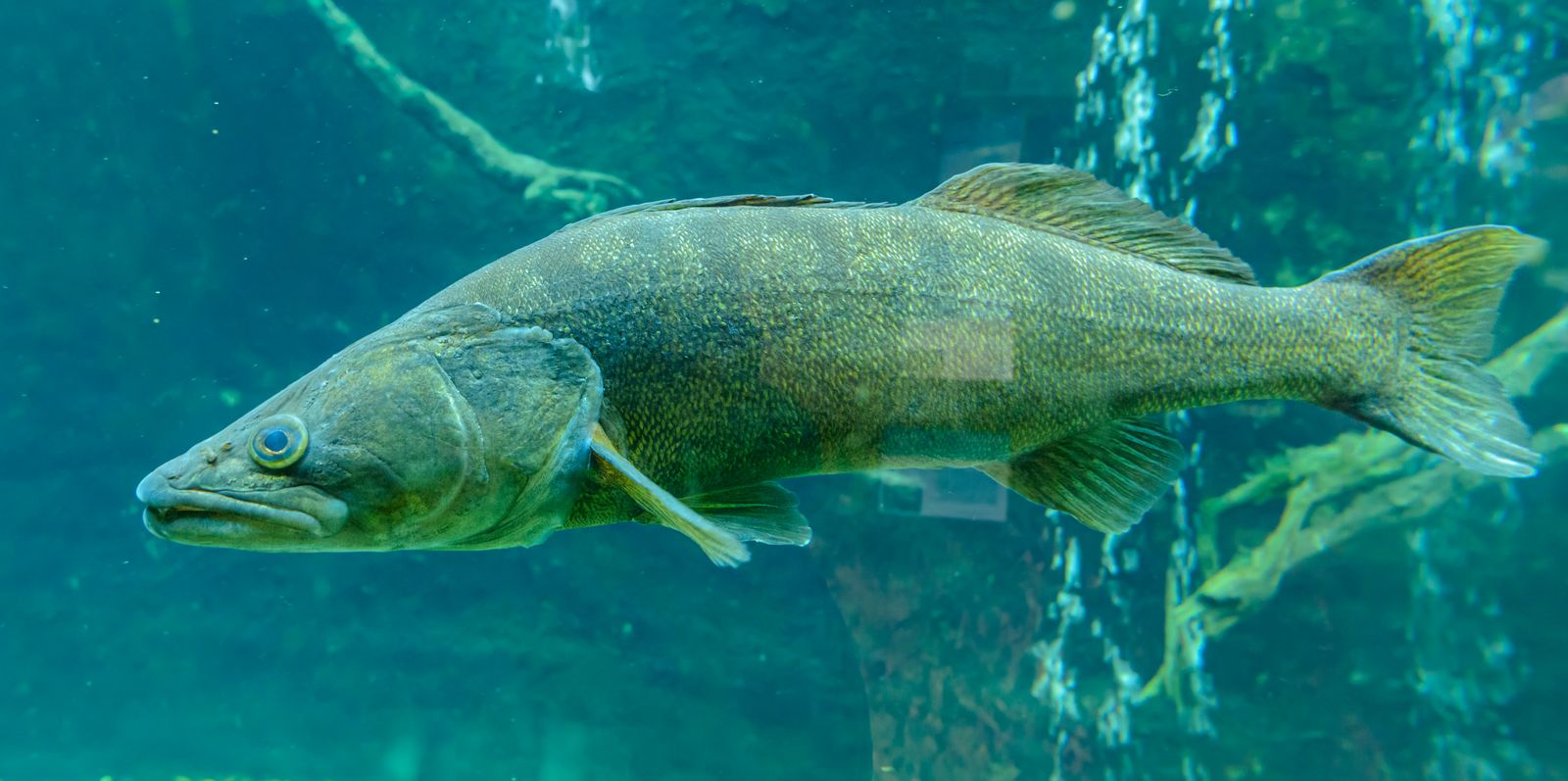
For the first time in roughly 70 years, native sauger are swimming in the rivers that feed western Lake Erie. The Ohio Department of Natural Resources released its inaugural batch of the perch-family fish in late May, the opening move in a restoration plan that wildlife managers say could hand anglers a brand-new year-round fishery within a decade.
On May 28, crews from the ODNR Division of Wildlife released about 65,000 sauger fingerlings at the Darr-Root Fishing Access in Fremont on the Sandusky River, then trucked roughly 60,000 more to the Maumee River at Perrysburg the same day, the Fremont News-Messenger reported. The releases were pilot "test runs" planned for 2026 and 2027 to refine the hatchery process before the department commits to stocking 500,000 fingerlings a year from 2028 through 2037.
Sauger were once a Lake Erie staple. Commercial boats hauled in 6.2 million pounds at the fishery's 1916 peak, according to a 1956 state report cited by the Sandusky Register, and islanders around Put-in-Bay pulled them through the ice by the ton. Then they vanished — gone from the sport catch by the late 1940s and commercially insignificant by 1964 — wiped out by a mix of overfishing, pollution, the spread of the lake's dead zone and hybridization with the far more numerous walleye.
"Sauger were native to Lake Erie. They were an important fish, both recreationally and commercially, right up until the 1950s when they kind of disappeared," said Eric Weimer, fishery supervisor at the Division of Wildlife's Sandusky Research Station. "It's always important to reintroduce a species that belongs here."
For anglers, the appeal is that sauger behave differently from walleye. They hold in the rivers and nearshore bays rather than roaming open water, and their habitat overlaps walleye by less than 1% in the Sandusky.
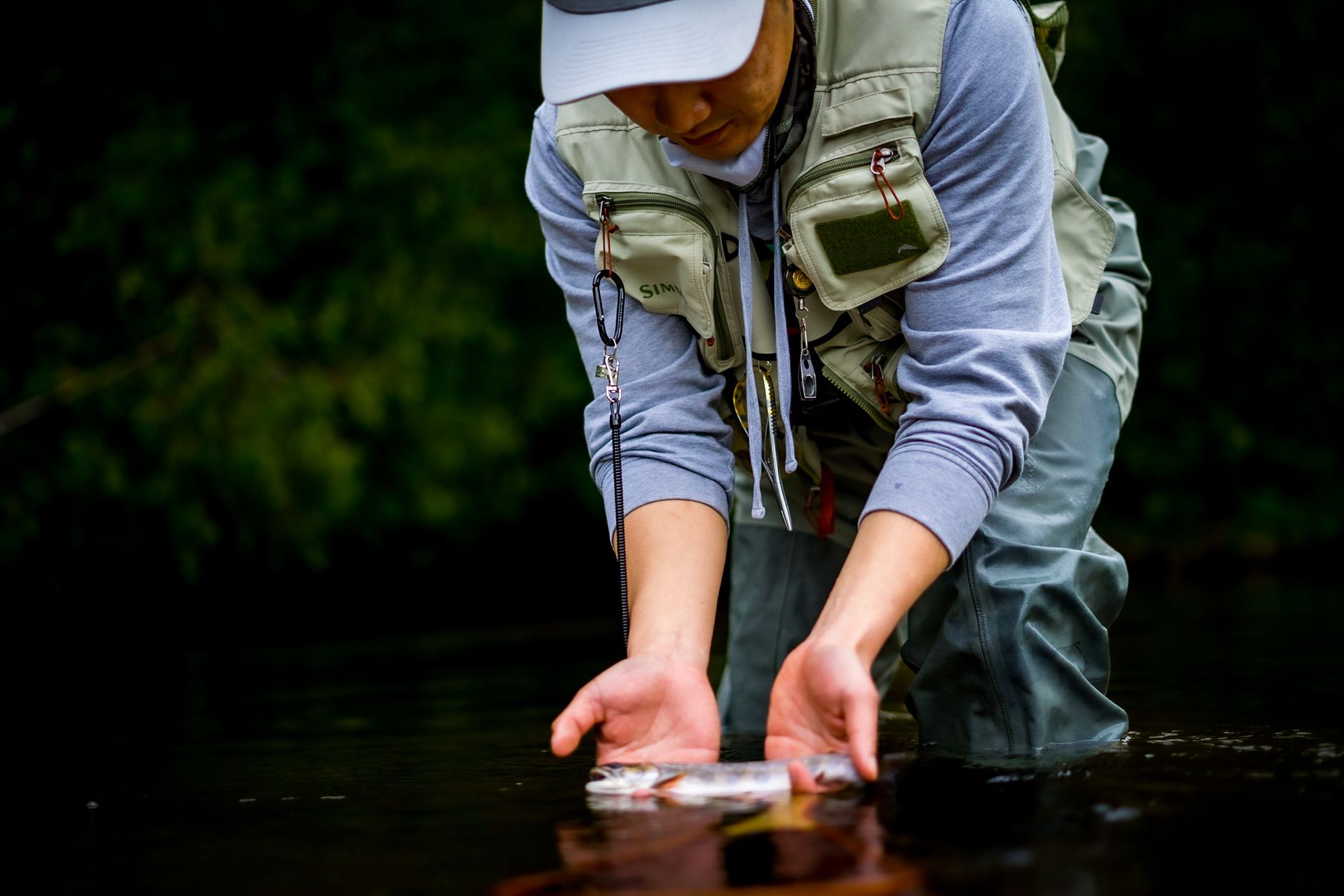
"We're hoping this will create another opportunity for Ohio anglers to catch a percid like this, year-round," Weimer said. "You don't need a 30-foot boat to catch sauger in the river or on the bay."
Travis Hartman, the division's Lake Erie Fisheries administrator, framed the stocking as a hedge for slow days on the walleye. "We expect to have the sauger here when we don't have as many walleye," Hartman said. "At this size, I would imagine they will be in the river for a while."
The fish themselves trace back to the Ohio River. After genetic analysis flagged that population as the closest match to Lake Erie's lost strain, biologists used it as broodstock at the state hatchery near Hebron. "Those fish were raised at our Hebron State Fish Hatchery. They actually originated from males and females that were brought from the Ohio River," said Hatchery Program administrator Joe Conroy.
Two things make managers more optimistic than they were after a failed 1970s attempt: the 2018 removal of the Ballville Dam reopened about 22 miles of spawning habitat on the Sandusky, and University of Toledo researchers confirmed the Maumee and Sandusky still hold enough spawning and nursery water to support a self-sustaining run.
The decade-long project is funded primarily by anglers themselves, through fishing-license sales — a point a Cleveland.com editorial seized on this month, arguing the effort underscores how central Lake Erie's fishery is to Ohio's economy. The state-record sauger, for the record, weighed 7.31 pounds and came out of the Maumee back in 1981. Restore a breeding population, and that mark may not stand much longer.