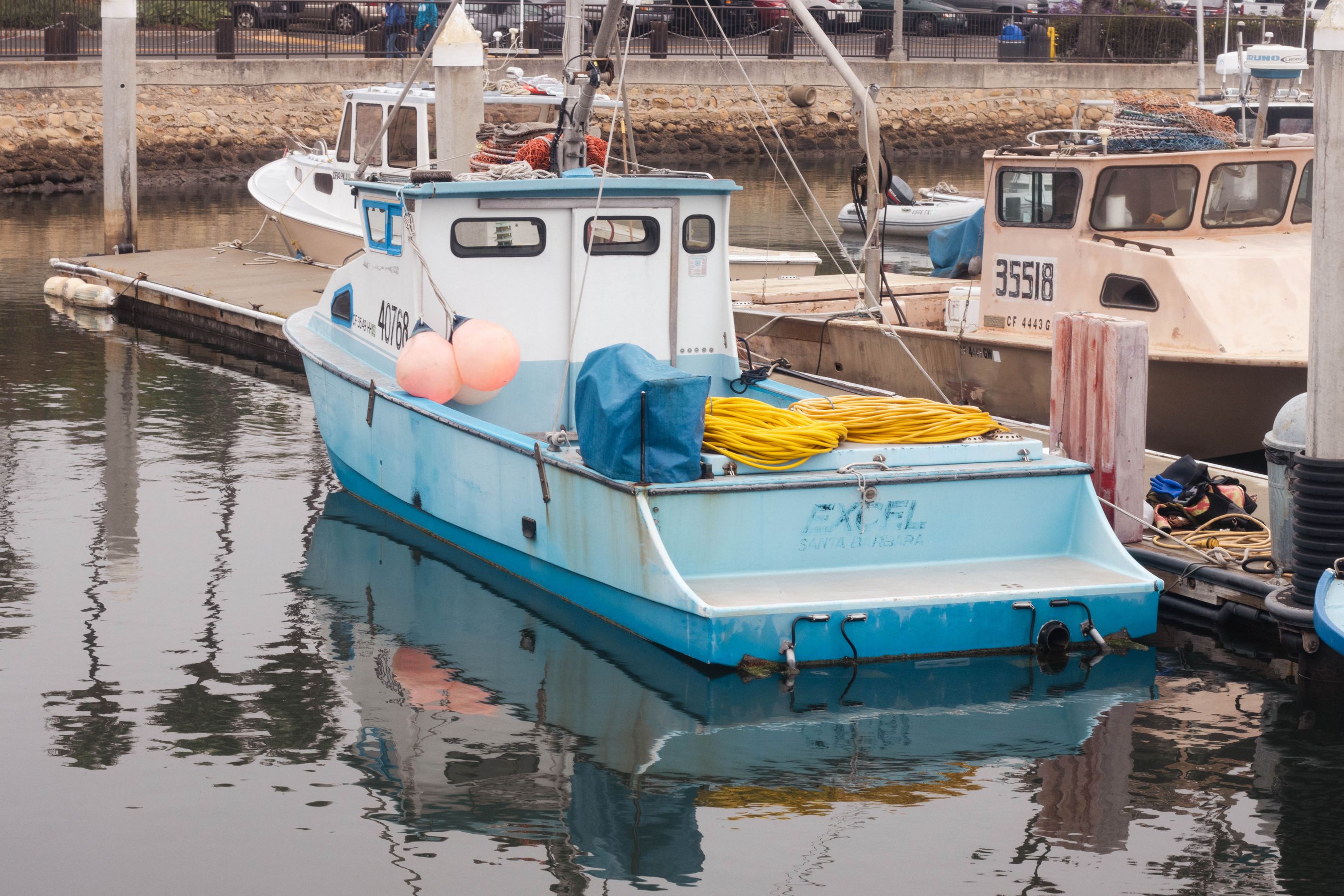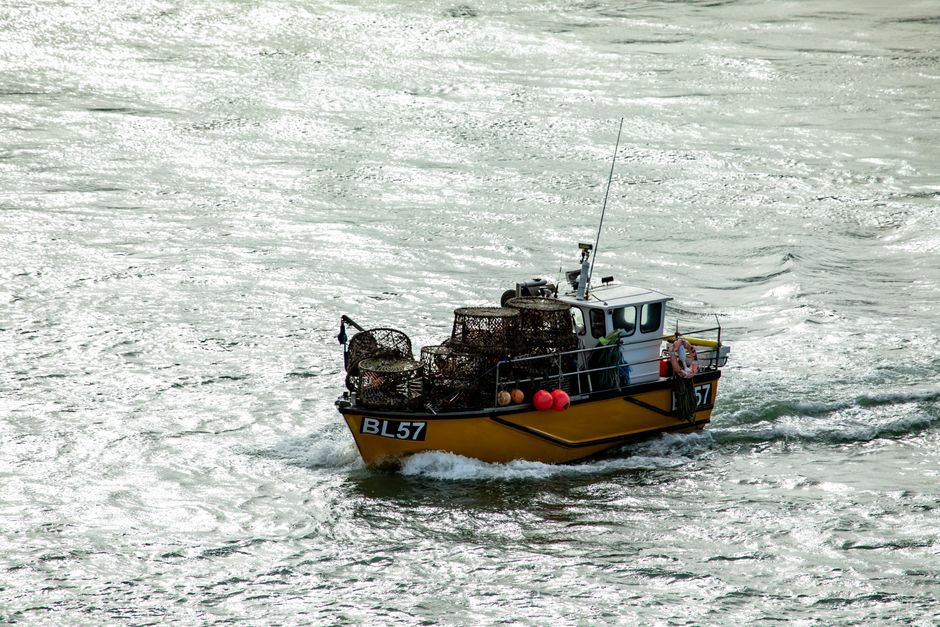
An unprecedented octopus boom off the south-west of England has forced Cornwall's fishing authority to step in, with an emergency byelaw curbing the larger boats that have flooded into the fishery.
The Cornwall Inshore Fisheries and Conservation Authority (CIFCA) approved the measure at its County Hall meeting in Truro on Friday 12 June, voting nine to five. From 1 July, multi-hull vessels longer than 10 metres and mono-hull vessels longer than 12 metres will be banned from using pots to fish for octopus inside the district's six-nautical-mile boundary. The byelaw still requires DEFRA approval, lasts up to 12 months and can be extended for another six.
At the heart of it is a population explosion of common octopus, Octopus vulgaris. The animals are strict carnivores, and a Plymouth-based research effort recorded catch rates for brown crab, lobster and scallops dropping by 30 to 50 percent through 2025. Scientists note only four blooms of this magnitude have appeared in 125 years, with the current one rivalling any previously seen. The commercial pull is enormous — Brixham Fish Market moved 103 tonnes of octopus in a single day on Tuesday 26 May.
With bigger boats steaming into Cornish waters to chase that catch, regulators feared the inshore crab and lobster grounds would be overwhelmed. "We feel like we've got to act here, rather than just let it become total over-potting for the whole district," said Simon Cadman, CIFCA's principal enforcement officer. He pointed out the rule redirects the large boats rather than excluding them: "The bigger boats have capacity to work outside the six. We have an inshore fishery concern for the crab and lobster stocks, but also for the inshore fishermen that can't go anywhere else with the small boats and need access to available stocks."
The authority said its members "decided that the potential risk to inshore crab and lobster stocks from increasing numbers of pots used to target octopus was too great and have therefore taken the decision to implement the emergency byelaw," adding that it should "reduce fishing pressure on inshore crab and lobster stocks and thereby assist hundreds of our fishermen to maintain viable fishing businesses."
Around 75 percent of vessels in the district fall under 10 metres and are untouched by the change. Newlyn fisherman Andrew Pascoe backed the decision. "I think it's the right way to go, to take that precautionary approach," he said. "Without that immediate regulation being brought in, we could see an influx of thousands and thousands of pots, which would be detrimental to the shellfish stocks." He added that the offshore fleet had already enjoyed a strong run: "The offshore boats — the majority have said that they're happy, they've had a really good season offshore [...] it's time for the inshore vessels to have their slice of the cake."
The vote was not unanimous in the room, with some fishers challenging the strength of the data and questioning whether the ban would work. Sam Davis of CIFCA recognised the disagreement. "The support and the input that we had on both sides of the argument from working fishermen and fishing businesses — it's so important to take those views into consideration," she said, observing that larger vessels "can work longer strings of pots and they can work throughout the year so they are able to be more flexible in terms of the weather conditions they can fish in."
The authority says it will now consider whether to turn the temporary rule into a permanent one, a step that would trigger formal public consultation.