One of inland New South Wales' shortest and most tightly managed seasons is back open: Murray crayfish can again be taken from the Murrumbidgee River, with the three-month window running from 1 June to 31 August 2026.
The fishery is deliberately conservative. Murray crayfish — a slow-growing native crustacean that took decades to recover from past declines — can only be taken on the Murrumbidgee between the Hume Highway road bridge at Gundagai and Berembed Weir, and Old Man Creek is excluded. The water within 100 metres upstream and 50 metres downstream of Berembed Weir is closed.
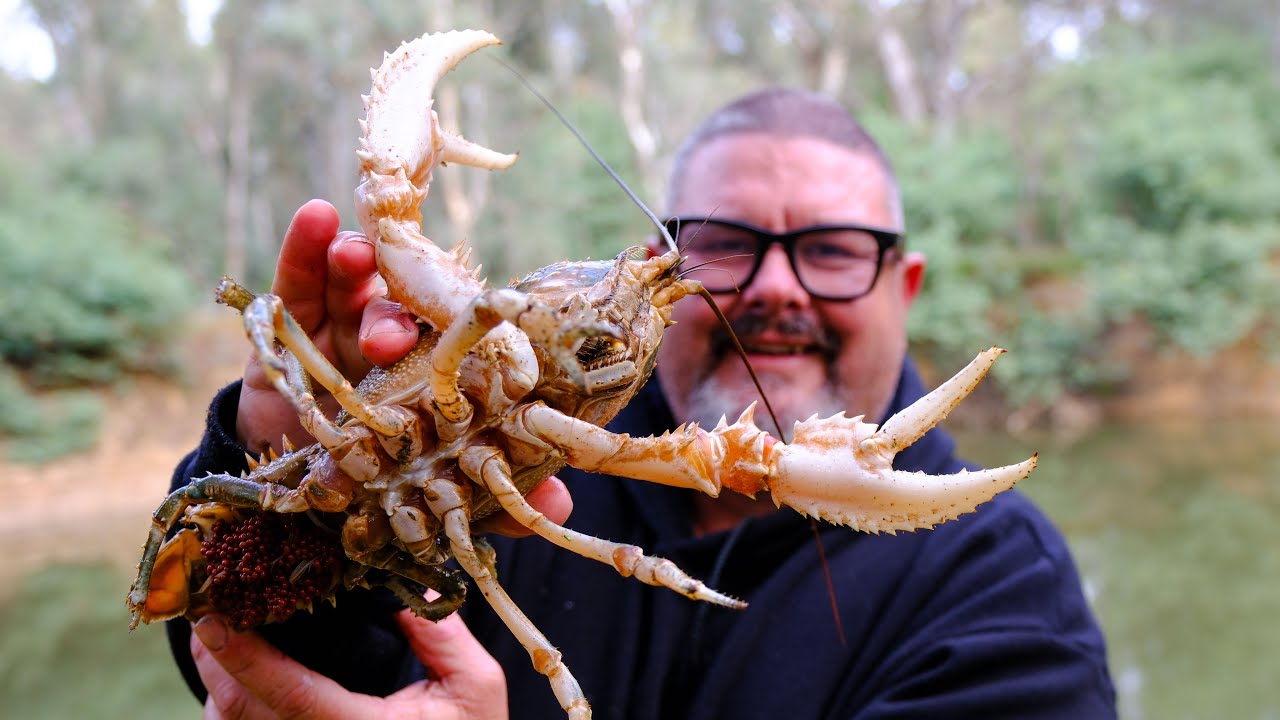
The limits are strict. Fishers may keep just two Murray crayfish per day, with a possession limit of two. Only crays measuring between 10 and 12 centimetres are legal — measured from the rear of the eye socket to the centre rear of the carapace, including the rib at the rear of the carapace — so anything outside that narrow slot must go back unharmed. Berried females, those carrying eggs, are completely protected: they must not be taken and should be returned to the water immediately.
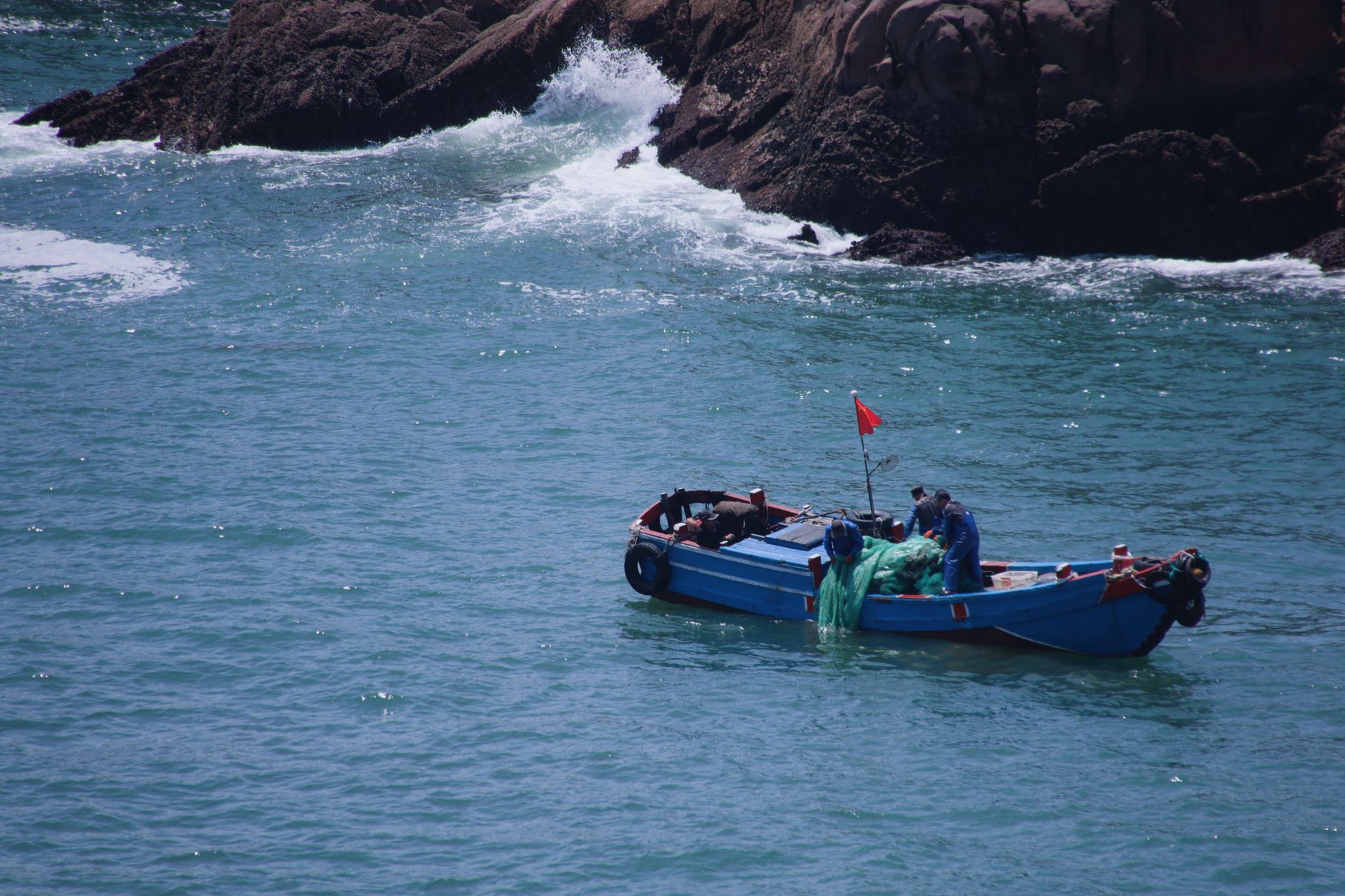
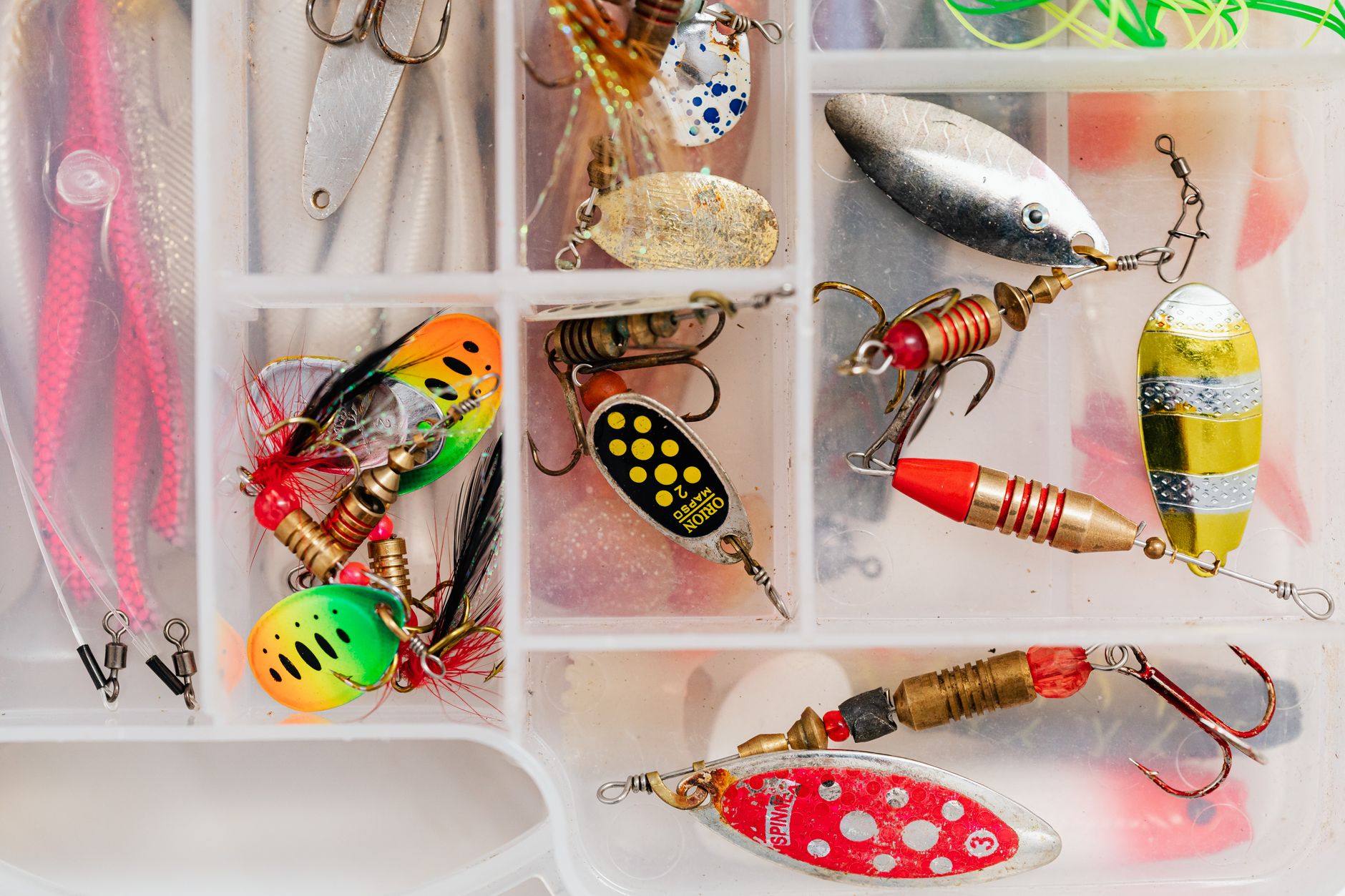
Gear is capped as well. Each fisher may use a maximum of five nets, and every net float must be marked with 'HN' for hoop nets or 'PN' for pyramid nets, along with the angler's name, year of birth and postcode. There is also a rule that catches some anglers out: it is illegal to remove or possess the heads, tails or claws of crayfish while you are in, on or adjacent to the water, a measure that makes size and bag limits easy to enforce on the bank.
For the keen, the opening is a genuine event. Robbie, of the Robbie Fishing YouTube channel, drove down to camp on the Murrumbidgee the night before this season's 1 June start, snagging a riverside site as another group packed up. "The opening day of the cray season is tomorrow," he said from camp, planning to bait-fish into the evening before the nets went in at first light. "Tomorrow morning on the 1st of June, we'll throw the cranets in and see if we can catch a crayfish."
Conditions looked different to previous openers. "I've crayfished here on opening before and done pretty well, but the water was much higher," he said. "It's very low this year. We haven't had a lot of rain." Even so, he backed the spot. "I know the crayfish are here. It's as good a spot as any."
Anglers heading out should remember that Murray crayfish are handled best with thick gloves — their claws are sharp — and that the short season, slot limit and protection of egg-bearing females exist precisely to keep a fragile native fishery ticking over. With the river low and the season open, the next three months will tell whether the Murrumbidgee's crays are on the crawl.