The seas around Britain are warming faster than almost anywhere in the north Atlantic, and the fish are voting with their fins. Species that belong in warmer latitudes are turning up in Cornish pots and Channel nets; cold-water stalwarts are drifting north or shrinking. For the crews who work these waters, the rulebook they inherited no longer matches the ocean outside the harbour.
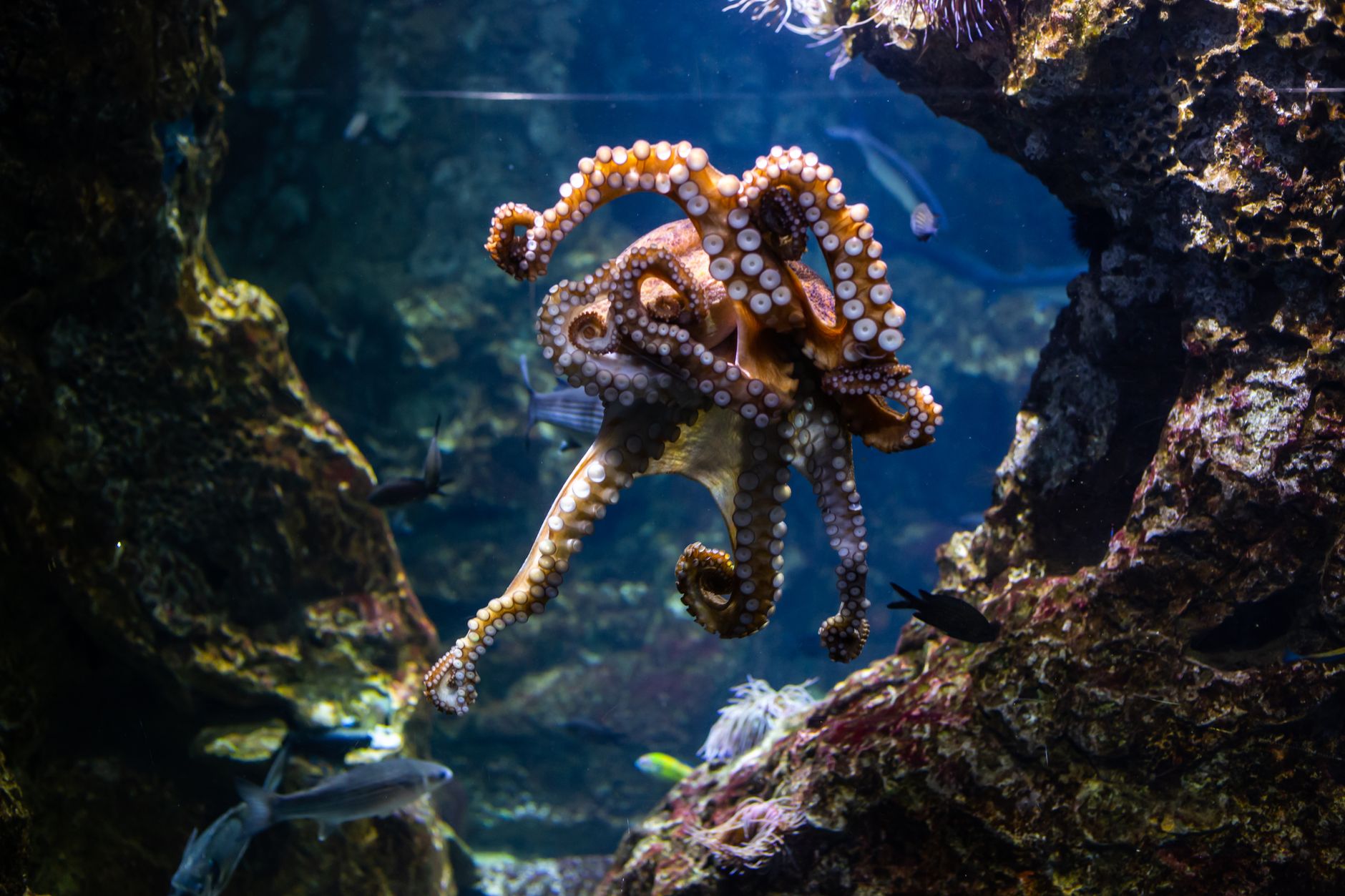
Nowhere is the shift more visible than the octopus. Southwest England is in the middle of its largest octopus bloom in at least 75 years, a surge that took off in early 2025 and has scrambled the economics of the inshore fleet.
"An extraordinary event that tells us a lot about how marine life is responding to a warming ocean," said Dr Bryce Stewart, senior research fellow at the Marine Biological Association.
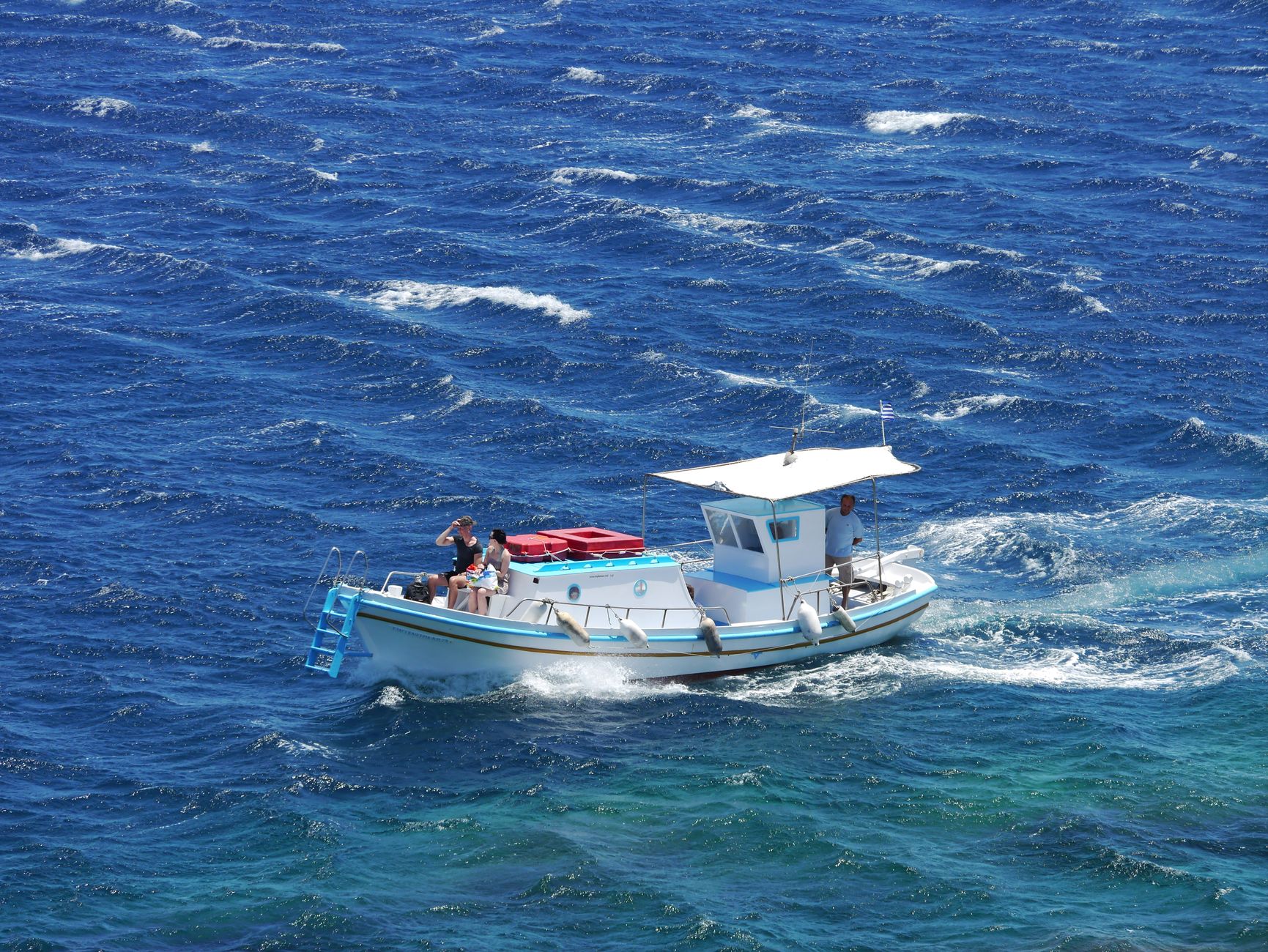
For crab and lobster crews the boom has been a mixed blessing at best: octopus climb into the pots and eat the catch. In a survey of 40 fishers, more than half reported negative impacts, with catch rates for brown crab, lobster and scallops falling 30 to 50 percent through 2025. "The octopus bloom is not a blip - it's a sustained threat," said Councillor Tudor Evans, leader of Plymouth City Council.
Scientists are careful to frame it as symptom, not anomaly. "Shifts in the marine climate are reshaping our ecosystems," said Professor Tim Smyth, director of science at the Plymouth Marine Laboratory. Warmer water, and sustained easterly winds carrying octopus larvae across the Channel from Guernsey and northern France, did the rest.
The bigger picture is a wholesale redrawing of ranges. Modelling from the Plymouth Marine Laboratory projects sardines pushing as much as 80 miles further north in the northeast Atlantic by 2100, bluefin tuna becoming more abundant and edging north, and cod and saithe sliding south and thinning out - a 30 to 40 percent drop in North Sea cod and saithe under a high-emissions future. Fish, unlike quotas, do not respect national boundaries, which turns every shift into a diplomatic headache.
Even the fish that stay are changing. A study published in Nature, drawing on the stomach contents of more than 50,000 marine predators over 35 years, found that in waters that are both warmer and heavily fished, predators are forced onto smaller prey.
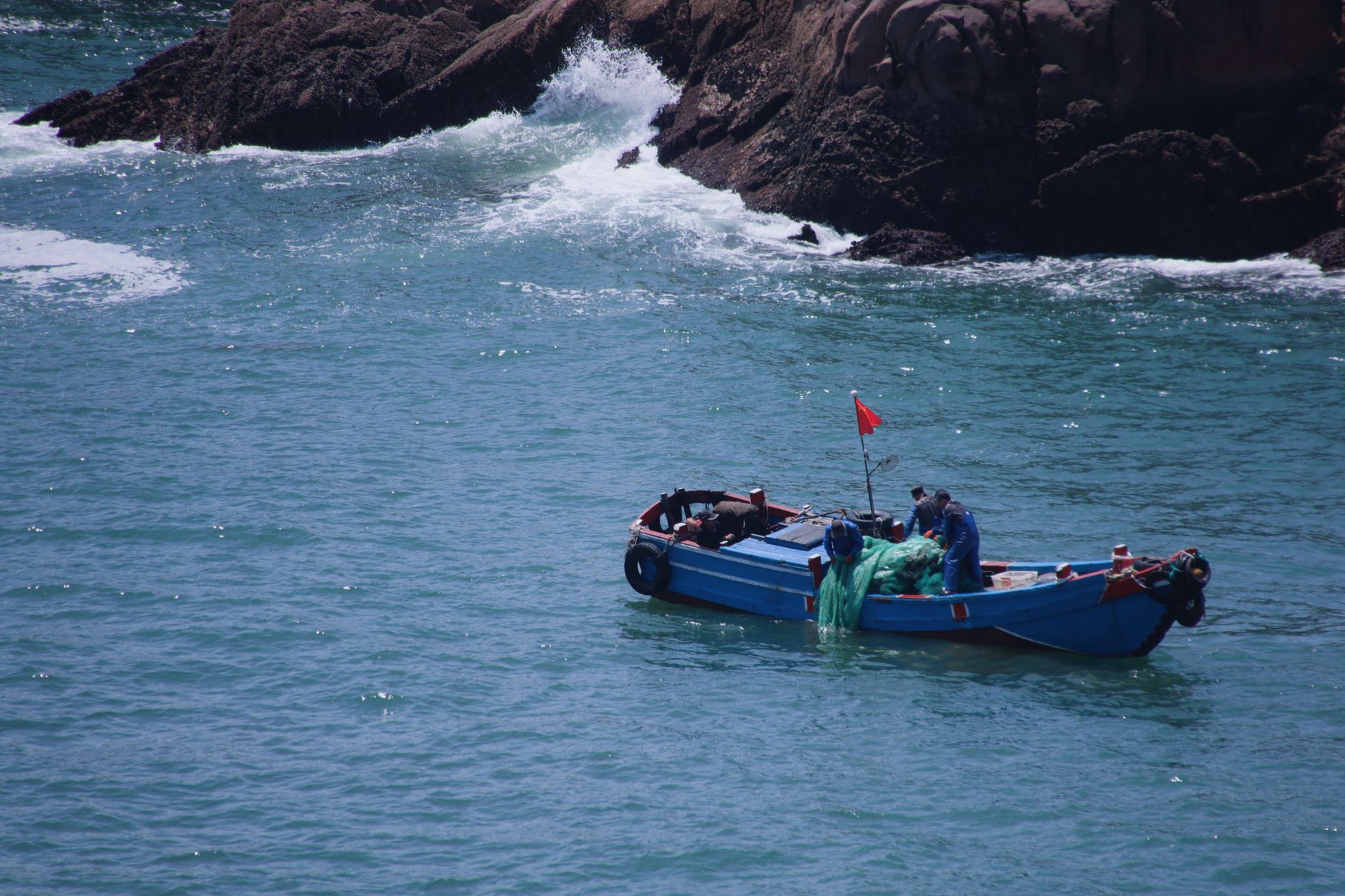
"Marine ecosystems are often hit by multiple pressures at the same time, and looking at these pressures one by one can hide what's really happening," said Amy Shurety of the University of Essex, the study's lead author. "Our findings show that in oceans that are both warmer and heavily fished, predators must eat smaller prey to survive." For every 1C of warming, the average prey size dropped about 1.8 percent, squeezing the energy budgets of cod, haddock and thorny skate.
Shurety's prescription is aimed as much at the dinner table as the wheelhouse: "Sustainable fishing and eating a more diverse range of seafood at home can help protect marine ecosystems as the climate changes." That is already happening out of necessity - chefs and fishers alike are learning to sell octopus, squid and other newcomers that would have been oddities a generation ago.
For anglers and commercial crews watching bluefin tuna reappear off British coasts while the cod retreat, the message is the same: the catch of the future will not look like the catch of the past.