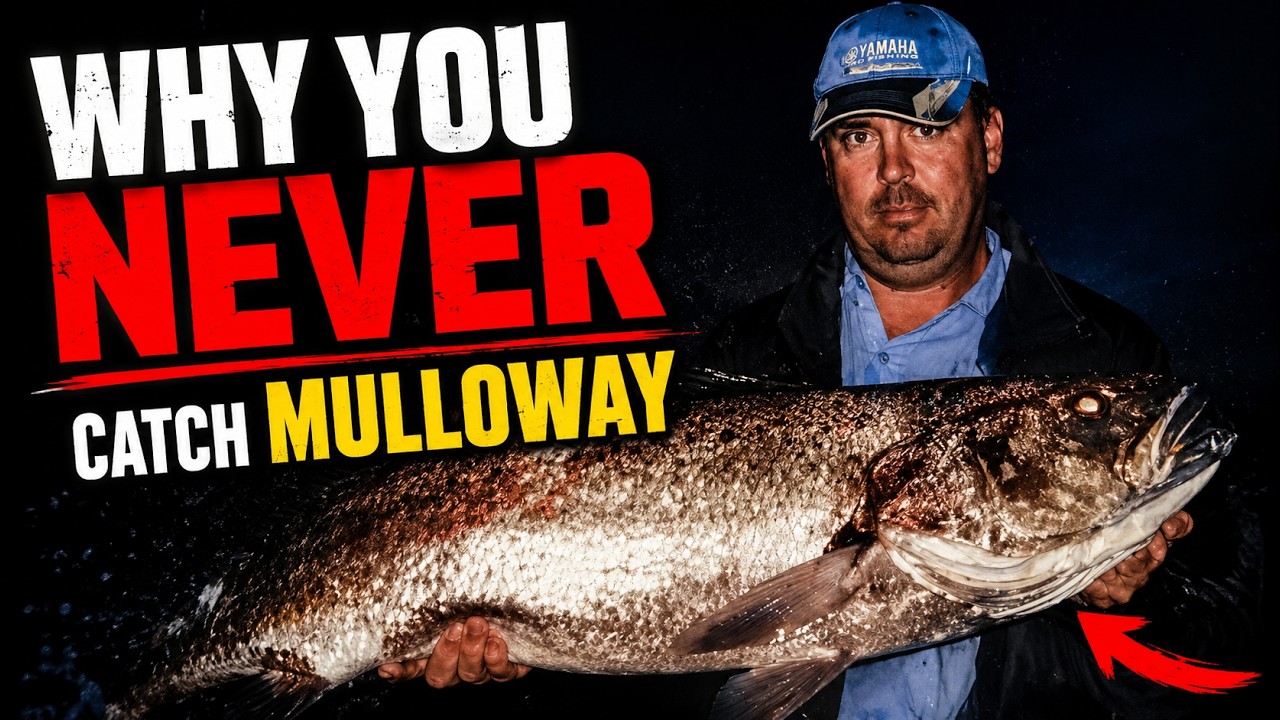
Most anglers chasing mulloway keep making the same handful of mistakes, over and over. That is the blunt verdict of Shannon, a veteran angler with four decades of jewfish behind him, who used a recent video to break down the errors keeping people off big fish.
The first, he argued, is fishing dead water. If a spot looks lifeless, it almost certainly is. Rather than sitting for hours at a favourite mark out of habit, he urged anglers to read the water first — look for bait, birds and movement — and to move on without sentiment if nothing is there. "Where you find bait fish, you'll find predators," he said. "If there's life there, stay on it. If there's no life, leave. I don't care if it's your favourite spot or not."
Tide is the close cousin of that mistake. Mulloway, he explained, are lazy ambush predators that sit behind structure or in deep holes waiting for bait to be flushed past, so they want moving water — not slack. His own preference around much of the country is a low tide and the first of the run. He summed it up with a line he picked up from an old timer years ago: "A good mulloway spot is a bad mulloway spot on the wrong tide."

Then there is the mistake he rates the biggest of all: noise. Especially in the shallows, sound carries through water and spooks big fish. He warned against loud talking, blaring radios, stomping feet, dropping sinkers and anchors clanging against the hull. The friends who cannot sit still and stay quiet, he suggested, are the ones to leave at home. "When you're serious about chasing mulloway... you want to be very, very quiet."
Bait choice matters too. Mulloway will eat almost anything — he called them "a bit of a garbage guts" — but fresh or live bait is far more reliable than a servo packet of frozen squid or pilchards. He recommended gathering bait first: beach worms off the sand, or live mullet, salmon, pike or silver trevally from the rivers, kept alive or iced and used the same day.
He was equally firm that most anglers fish far too heavy. People routinely turn up with 80lb mainline and 100lb leader, he said, when mulloway rarely fight dirty away from reef and simply use their weight in the current. His own outfits run around 30lb, and he has stopped 50 to 60lb fish on the reef with a drag set at about a third of the breaking strain.
Moon phase, he added, is overrated. Despite decades of heated arguments with anglers wedded to the full moon, he avoids it for southern species, preferring the new moon up to three days before the full — but his real secret was simply going whenever he had the time and learning something every trip.
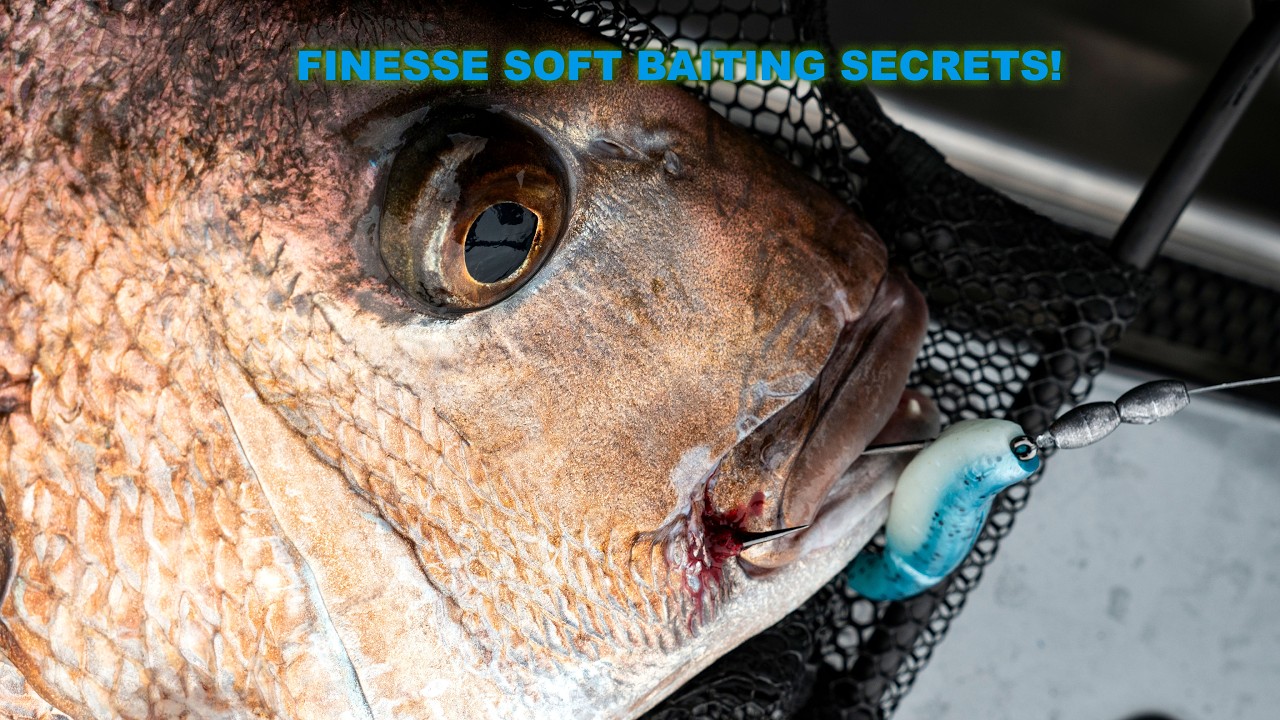
Finally, he pointed to a hook-up error that costs river anglers dearly. When a jewfish picks up a slid bait and the ratchet starts ticking, most strike too early, while the fish is still mouthing and descaling the bait, and pull the hook clean out. The fix is patience: let it mouth the bait, wait for it to swim off, let the line come tight, and only then set the hook. "That one will take some patience and some practice," he said — but it is the difference between a hook-up and a heartbreak.