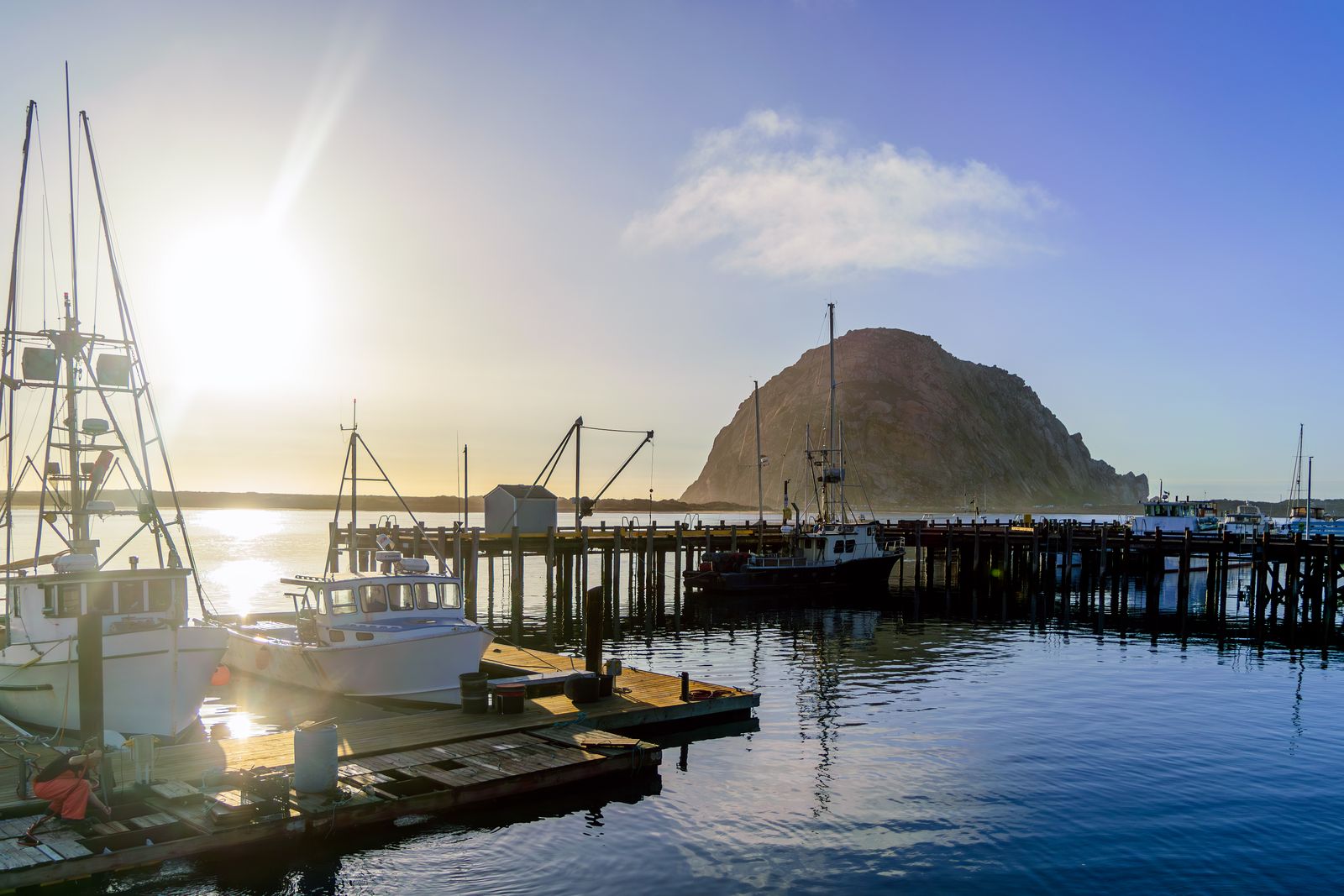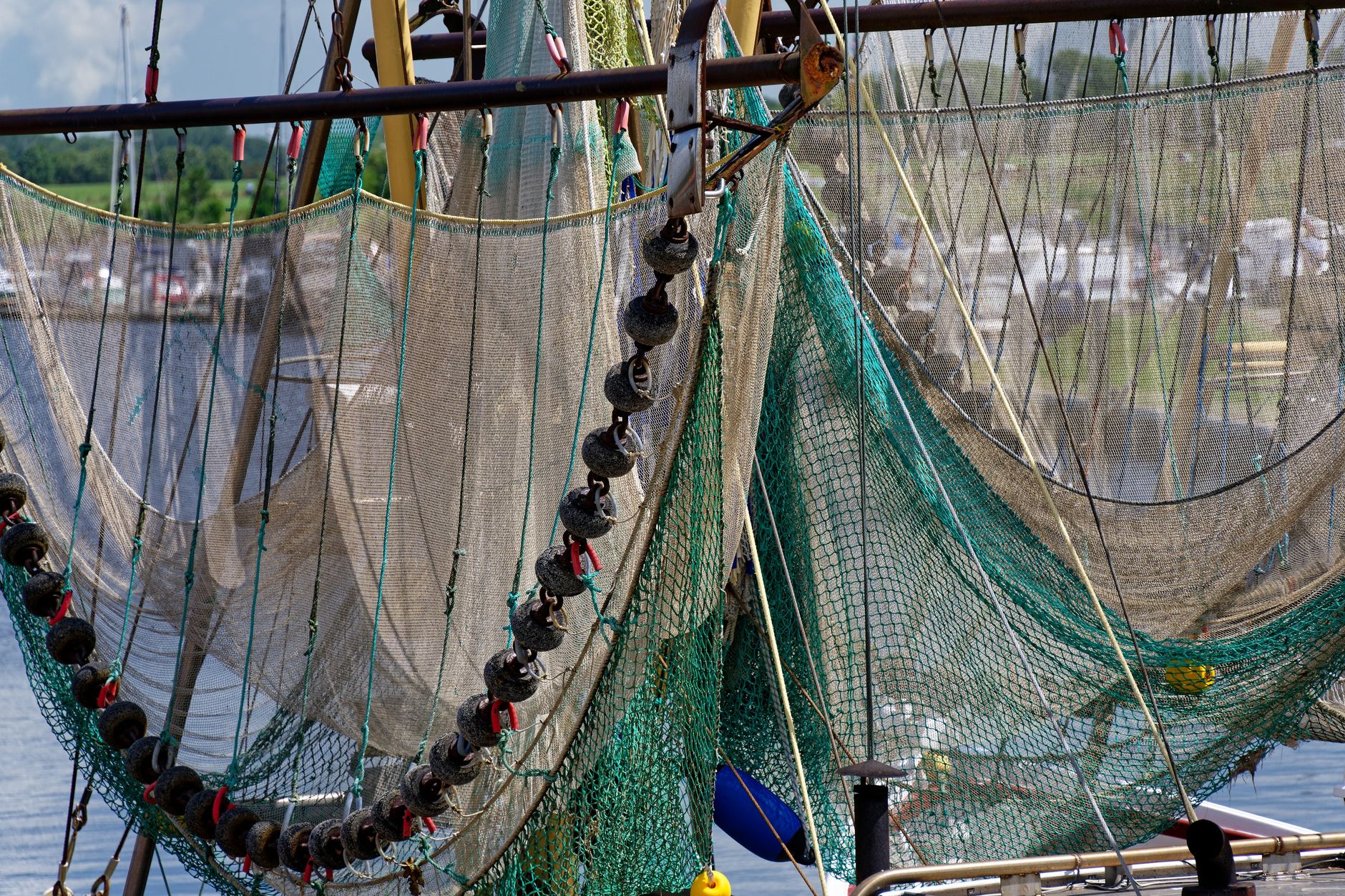
A pair of bills sitting in a Michigan House committee would do something the state has not allowed in modern memory: hand commercial netters a share of the walleye and lake trout that recreational anglers have had to themselves for decades.
House Bills 5801 and 5802, introduced on April 16 by Reps. Dave Prestin (R-Cedar River) and Jason Morgan (D-Ann Arbor), would let state-licensed commercial operations harvest walleye, lake trout and yellow perch across Michigan's commercial fishing waters. The package runs 45 pages. It has been parked in the House Committee on Natural Resources and Tourism ever since, but hearings over the summer have turned it into the loudest fisheries fight in the state.
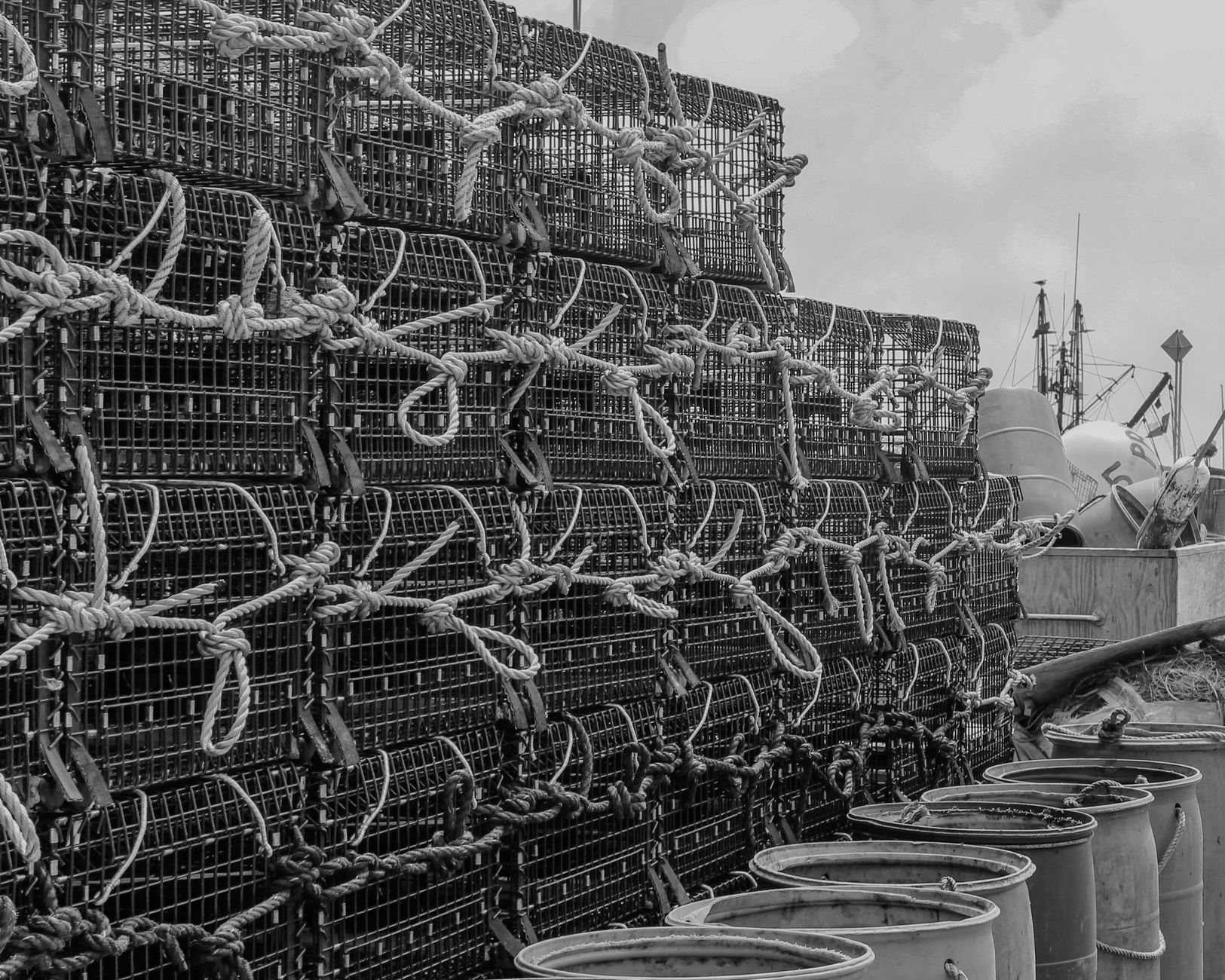
The case for the bills is that the commercial fleet is dying. Michigan is down to eleven licensed commercial fisheries, from more than 700 in the 1960s, and the two species they are allowed to net — whitefish and yellow perch — are in steep decline after zebra and quagga mussels stripped out the plankton base.
"These regulations were designed to reduce commercial fishing during a time of needed rehabilitation," Prestin said at a hearing in May. "But now they place a disproportionate regulatory burden on the few family-owned commercial fishing businesses that are left."
Lakon Williams, operations manager for Bay Port Fish Company, told WCMU the rules are pushing her out of business.
"We're all historic businesses who have been here since the early 1800s," Williams said. "And we're all good, upstanding people who don't want to hurt the lake, just want to create a living that can be passed on like it used to be. We just want to be managed fairly."
The Department of Natural Resources, which says it was not consulted before the bills were written, has come out against them hard. Fisheries Chief Randy Claramunt told the committee the legislation would undercut the very fleet it claims to rescue.
"The impacts of these bills include the inability to manage for sustainable fishery, which in my opinion goes against the intention of the bills to help the commercial fisheries," Claramunt said. He listed litigation risk, conflicts with tribal treaty obligations, and enforcement problems alongside it.
The money does not work either, by his account. The bills add a 5% commercial licence fee increase meant to fund the extra workload. "This would cost Fish Division over $1,000,000 and the estimated revenue is less than 1/4 of a million," Claramunt said.
The scale argument is the one anglers keep returning to. By the DNR's figures, recreational fishing is worth about $4 billion a year to Michigan. Commercial fishing is worth about $5 million.
Michigan Trout Unlimited director Bryan Burroughs argued the proposal "ignores a lot of very foundational principles about privatization of public resources," and warned it would put the state "in lapse of our agreement with our tribal nations."
"The potential harm it could cause to not only the fish populations of our Great Lakes, but also the industry supporting sport fishing could impact Michigan for decades," Benson said. "The restocking efforts, planting, rehabilitation etc. have all been paid for by funds from our sportsmen and women, the DNR, and private efforts."
Mark Sak, a Freshwater Fishing Hall of Fame inductee who fished national walleye tournaments, objects to the gear as much as the quota. The bills would permit gill nets and trawling.
"Netting can take as many fish in three days than recreational anglers can catch in a month," Sak said. "Gill nets kill many other species of fish like pike and musky. The fish swims into the net, and gets its gills stuck in the net and dies. There is no catch-and-release when using gill nets."
He rejects the framing entirely: "It is insane to see lawmakers calling this the 'modernization' of commercial netting in Michigan when it actually takes it back to the dark ages."
Not every critic thinks the fleet's problems are imaginary. Writing in The Alpena News after a meeting between Rep. Cam Cavitt, commercial industry representatives and recreational anglers at a tackle shop in Harrisville, columnist Jim Johnson noted the northern Lake Huron fleet is genuinely in trouble — but argued the walleye on offer are concentrated in Saginaw Bay, where the commercial fishery is already doing comparatively well.
Johnson also flagged a detail that has not featured much in the hearings: because commercial licence fees have never covered the cost of running the commercial program, recreational licence revenue has been quietly subsidising it for years.