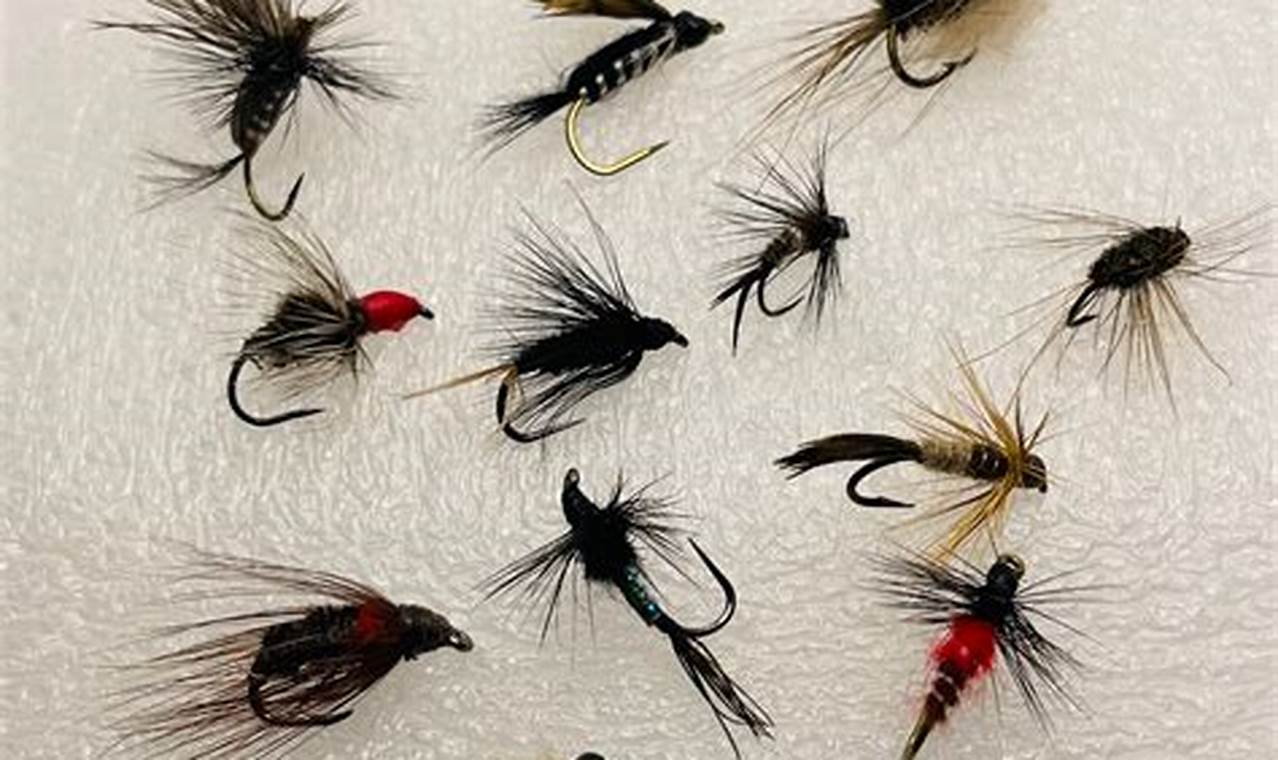
Lure fly fishing is a captivating blend of spin fishing and conventional fly fishing that leverages the use of artificial flies designed to mimic the movements of insects or small fish. This technique is gaining popularity thanks to its versatility, allowing anglers to target a wider array of fish species across various environments.
"The key to lure fly fishing is to effectively present your artificial offerings as live prey," said Sarah Johnson, a seasoned angler. The importance of the method lies in its adaptability, enabling improved casting distances and the use of diverse fly patterns, which can be instrumental in fishing deeper waters or navigating areas with heavy cover.
As more anglers seek alternative approaches to traditional fly fishing, lure fly fishing continues to evolve. "Over the years, we've seen techniques develop to adapt to changing conditions on the water," explained Mark Renner, a fishing guide with over two decades of experience. "This technique not only enhances success rates but helps anglers become more versatile in their fishing styles."
To maximize effectiveness, several key tips and techniques are essential for mastering this angling method.
**Tip 1: Line Selection** Choosing an appropriate line is crucial for effective presentations. A weight-forward fly line, matched to the action of your rod, is optimal for casting lighter lures. "Consider using lines with tapers that are suited for calm waters versus those that can handle windy conditions better," advised David Thompson, a fly fishing expert.
**Tip 2: Leader and Tippet** The choice of leader and tippet material depends on water clarity and the species targeted. For clearer streams, fluorocarbon leaders are nearly invisible underwater. “It's essential that the tippet diameter matches the fly size for a natural drift,” advised Sarah Johnson.
**Tip 3: Fly Presentation** A natural drift is an integral part of successfully enticing fish. Techniques such as mending the line, where the line is manipulated on the surface, are fundamental to reducing drag. Mark Renner emphasized, "Varying your retrieve speeds and patterns to mimic natural movement can significantly increase your chances of a strike."
**Tip 4: Rod Action** The action of your rod also plays a vital role. Medium-action rods strike a balance between casting distance and sensitivity to detect subtle bites. "Opt for a lighter rod if you're targeting smaller flies and skittish fish; a heavier rod may be necessary for larger flies or in robust currents," noted David Thompson.
**Tip 5: Knot Strength** The use of reliable knots is non-negotiable for connecting your line to the leader and fly. "In lure fly fishing, the improved clinch knot and surgeon’s knot are popular choices; ensure they're tied properly for maximum strength," advised Renner.
**Tip 6: Water Reading** Understanding the characteristics of the water is essential for successful fishing. Anglers should look for seams, eddies, and structures that serve as fish habitats. "Identifying these areas can significantly improve your chances," said Sarah Johnson.
**Tip 7: Fly Selection** A well-rounded selection of fly patterns helps match the specific insect or baitfish available. "Observe local insect hatches and adapt your fly choices accordingly. Don't hesitate to consult local fly shops for insight on effective patterns," advised David Thompson.

With these tips in mind, anglers can not only enhance their approach but also increase their success when out on the water. Understanding the nuances of lure fly fishing is about honing equipment choices, improving techniques, and keenly observing the environment.
**Understanding Fly Imitation** The art of fly imitation is at the core of lure fly fishing. "A well-crafted imitation increases the odds of fish mistaking your lure for actual prey, resulting in a strike," explained Mark Renner. For instance, during a specific hatch, like that of the mayfly, presenting a dry fly that closely resembles the natural variety can be particularly effective.
As we explore different fishing environments and scenarios, further guidance can assist anglers in refining their techniques and strategies. The world of lure fly fishing invites enthusiasts to venture beyond traditional methods, encouraging innovation and patience in pursuit of their catch.