Maryland is putting real money behind its war on invasive blue catfish, and from this summer some anglers will be able to chase them for free while licensed captains get paid up to $1,500 a trip to take them out.
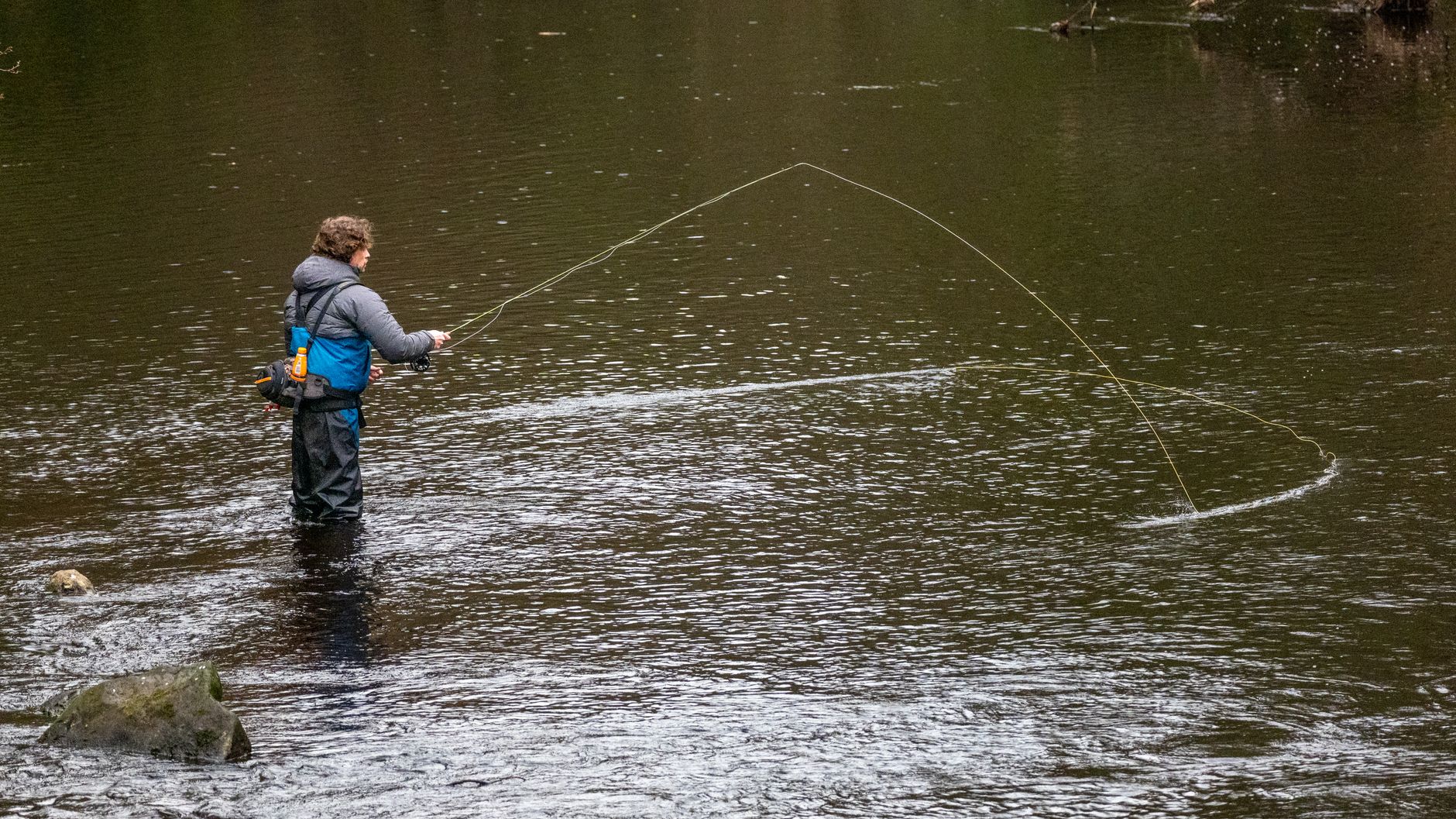
The state Department of Natural Resources has launched a pilot called "Reel in the Blues Bonanza" that reimburses charter captains and fishing guides up to $1,500 per trip for running free blue catfish outings for members of the public during the summer and fall of 2026. Captains have to file an interest form by June 22, and public registration for a drawing to win a free trip opens June 24. To qualify, operators need a Maryland Waterman ID, a U.S. Coast Guard captain's license where applicable, and they must report their harvest electronically through the state's FACTS system.
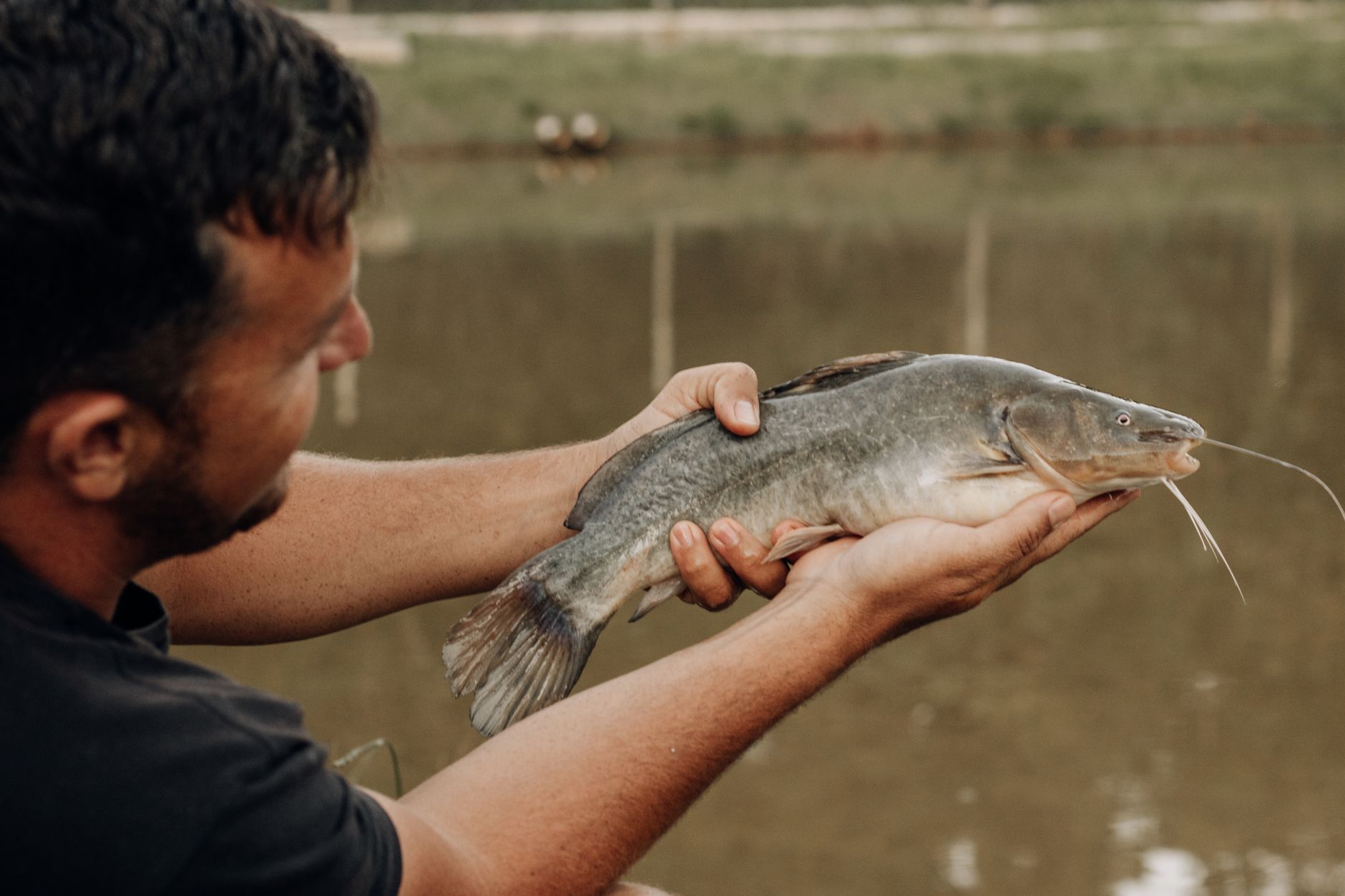
The target is a fish with no recreational rules attached. Blue catfish in Maryland face no size limits, no catch limits and no closed season, and the state record stands at 82 pounds, unbroken since 2012. According to the DNR, the species preys on native blue crabs, white perch and menhaden, which is why managers want as many of them out of the Chesapeake watershed as anglers can remove.
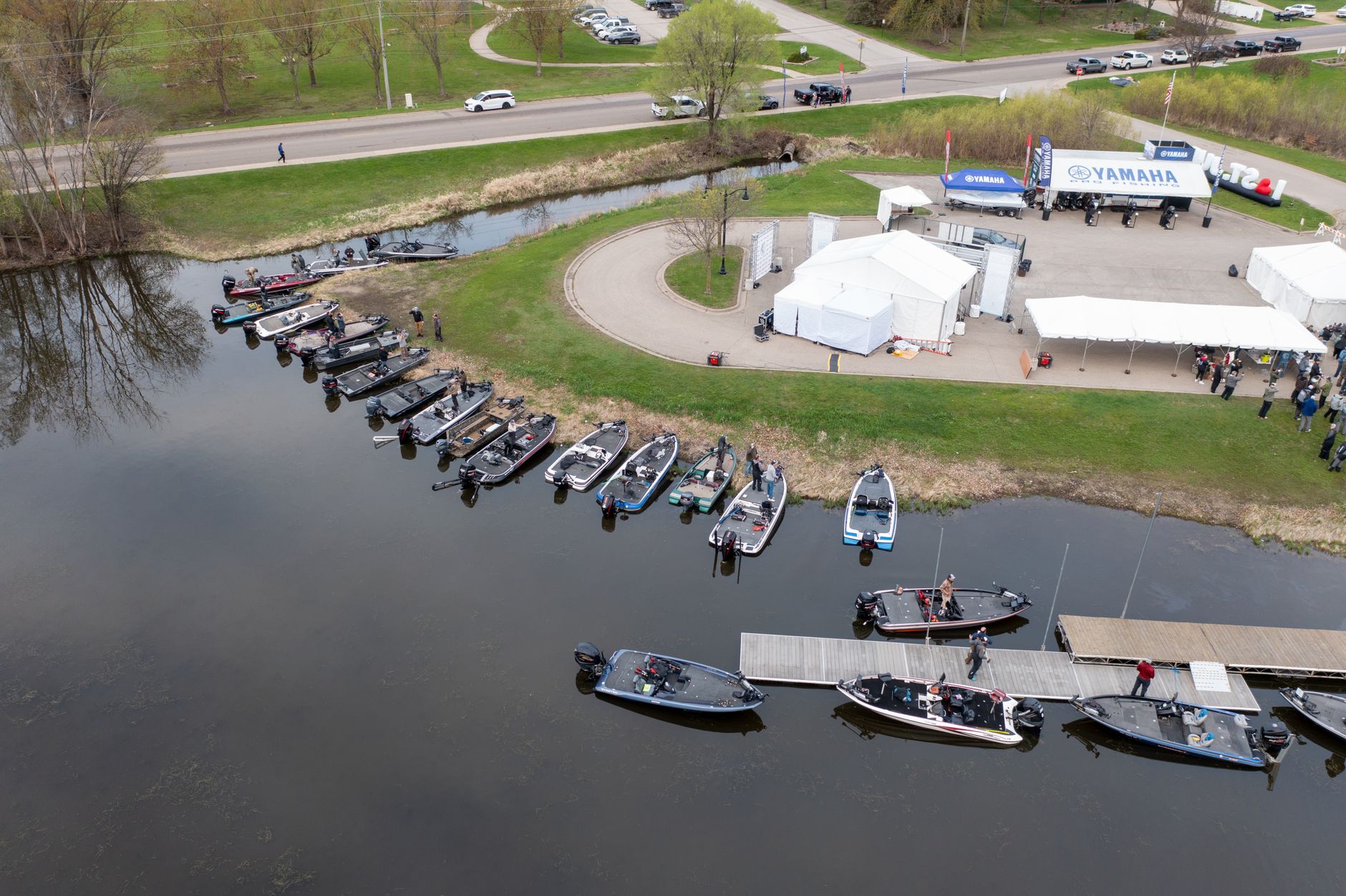
The bonanza sits on top of an already-busy slate of cash-for-catch events. The DNR partners with tournaments across the state, and the hauls can be substantial — the 2022 Sharptown Catfish Tournament alone accounted for nearly 1,000 pounds of invasive blue catfish. State officials said the new captain-reimbursement pilot is part of a broader push to thin the population while gathering harvest data, and indicated similar programs could run in 2027 and 2028 depending on funding and turnout.
The most direct bounty runs in Baltimore. The Environmental Justice Journalism Initiative's Reel Rewards program pays anglers $30 for every invasive snakehead, blue catfish or flathead catfish they turn in from the Patapsco's Baltimore Harbor area, up to 15 fish a week. Chesapeake Bay Magazine reported that the program paid out nearly $9,000 in bounties over three months last year, with one bowfisherman, Brian Slacum, turning in 134 snakeheads to earn more than $4,000.
Slacum, who has been bowfishing these waters since 2018, told the magazine the invasive species put up a real fight. "You get a fight no matter [whether you're using] bow or rod and reel, and they grow pretty large in our ecosystem," he said. He added that the population shows no sign of thinning out on its own: "We have been hitting the same spots for years," he said, with each season producing more fish than the last.
The Baltimore bounty is about more than ecology. The program runs in an area home to large immigrant, Black and veteran communities, some of whom fish the harbor for food, and organizers say tracking what is caught and eaten matters in waterways with a long pollution history.
Put together, the programs turn a problem fish into an incentive. There is no daily limit a frustrated angler can run into and no season to wait out — just a predator the state would rather see in a cooler than in the Bay, and, increasingly, a check waiting for the people willing to go get it.