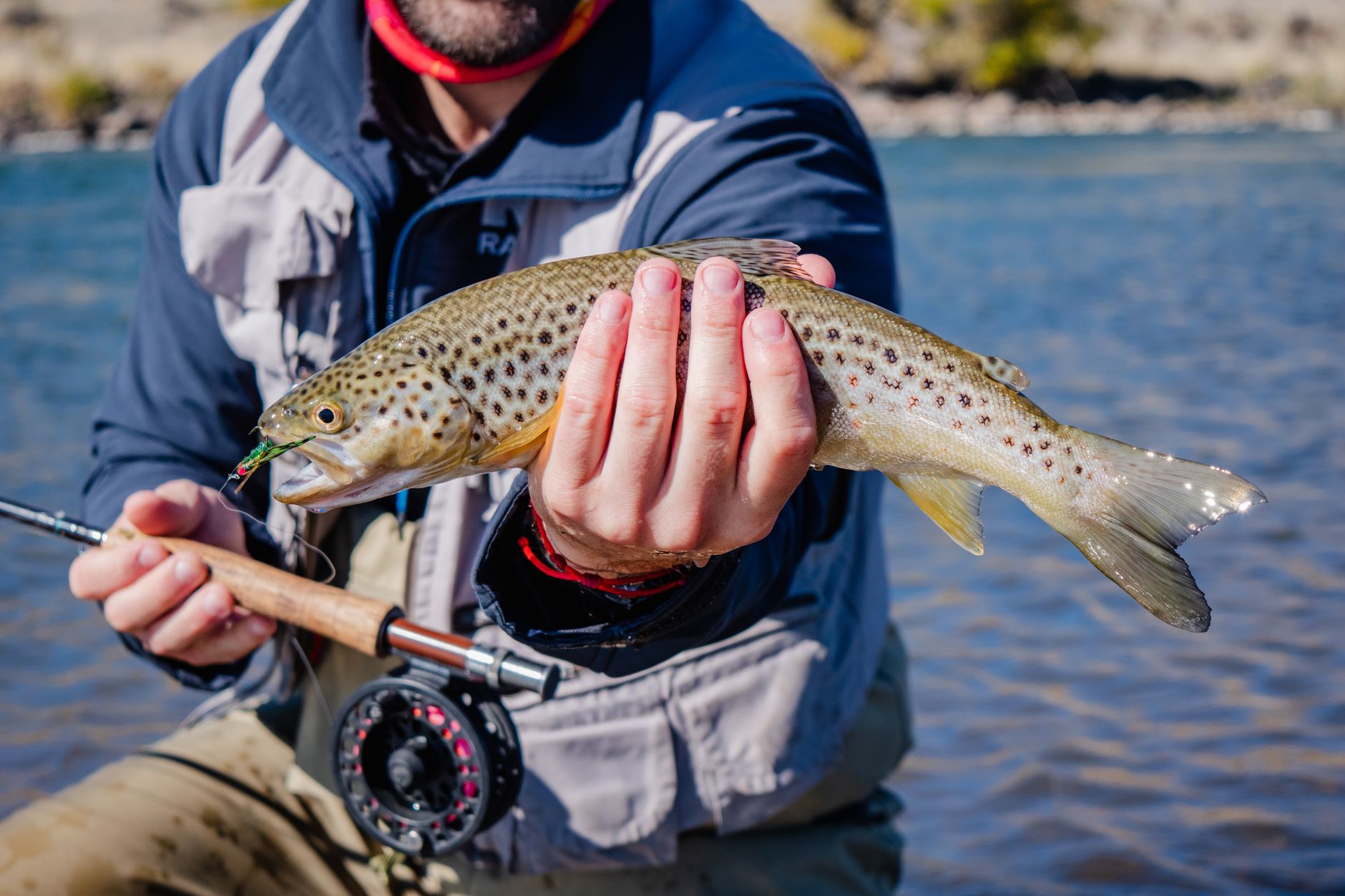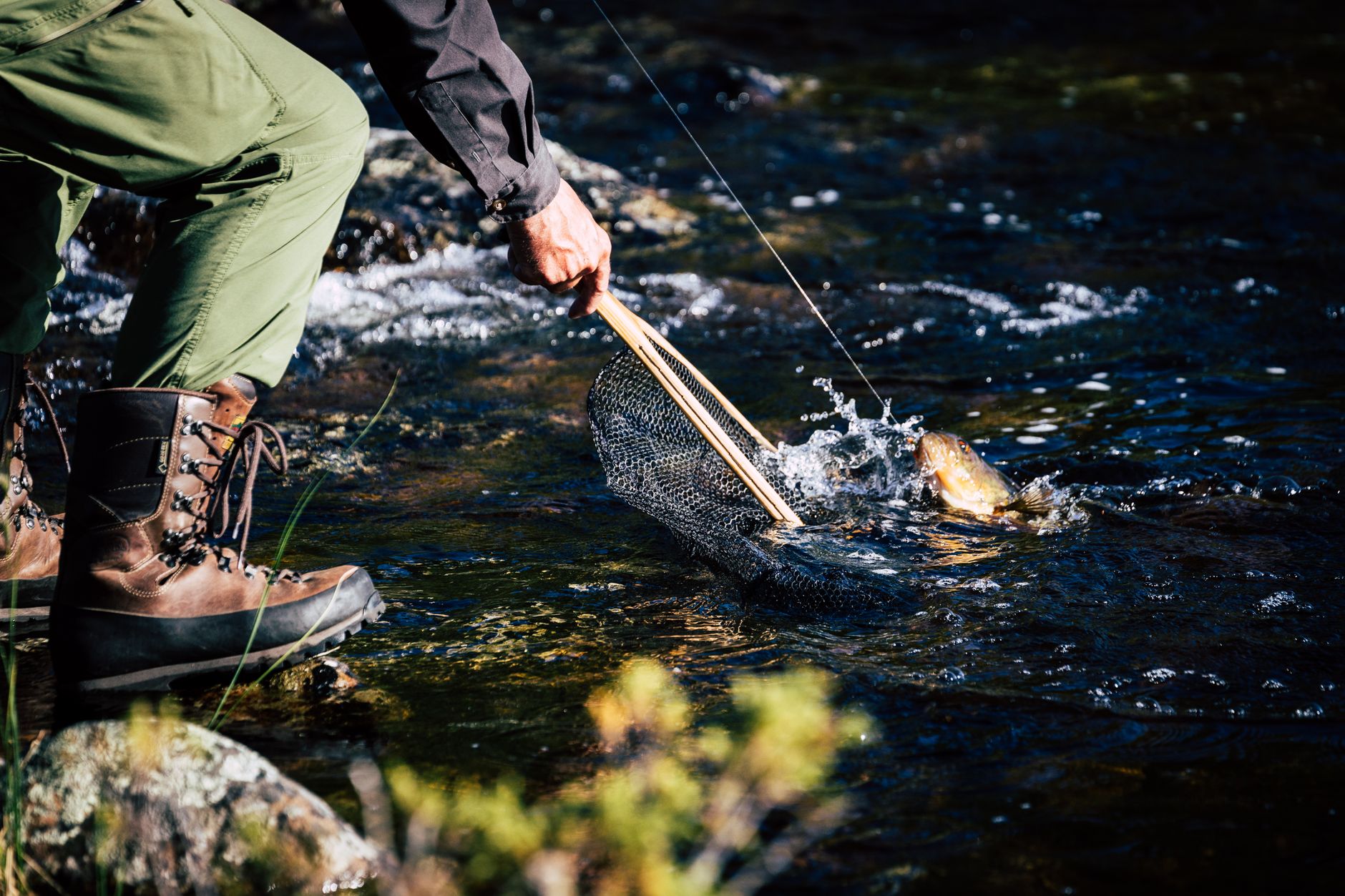
Ask most anglers to name the fish-friendly way to land a salmon and they will point at a rubberised mesh net. New work out of the University of British Columbia suggests the net itself is the problem.
The study, released on 29 July by the Pacific Salmon Ecology and Conservation Laboratory under Dr Scott Hinch, tested 235 adult coho caught off the west coast of Vancouver Island and held in seawater tanks for up to a fortnight. Scale and fin damage turned out to be the strongest single predictor of death. Fish that came aboard essentially unmarked survived at 96 per cent. Fish with heavy dermal damage managed 62 per cent.
Most of that damage traced back to landing gear - conventional mesh in particular. Smooth, vinyl-coated materials did noticeably less harm.
"The main takeaway for anglers is that if they are releasing a coho, they need to do so in the water next to the boat, without using a net," said lead author Quin Johnston.
Tandem hooks compounded the problem, causing worse injuries and making a clean waterline release harder. Some fish also rolled mid-fight and wound line around themselves, shedding scales without any help from the angler.
"A fish can appear perfectly healthy when it swims away from the boat, only to die days later from injuries sustained during capture and release. Those delayed deaths are largely invisible to anglers," Hinch said.
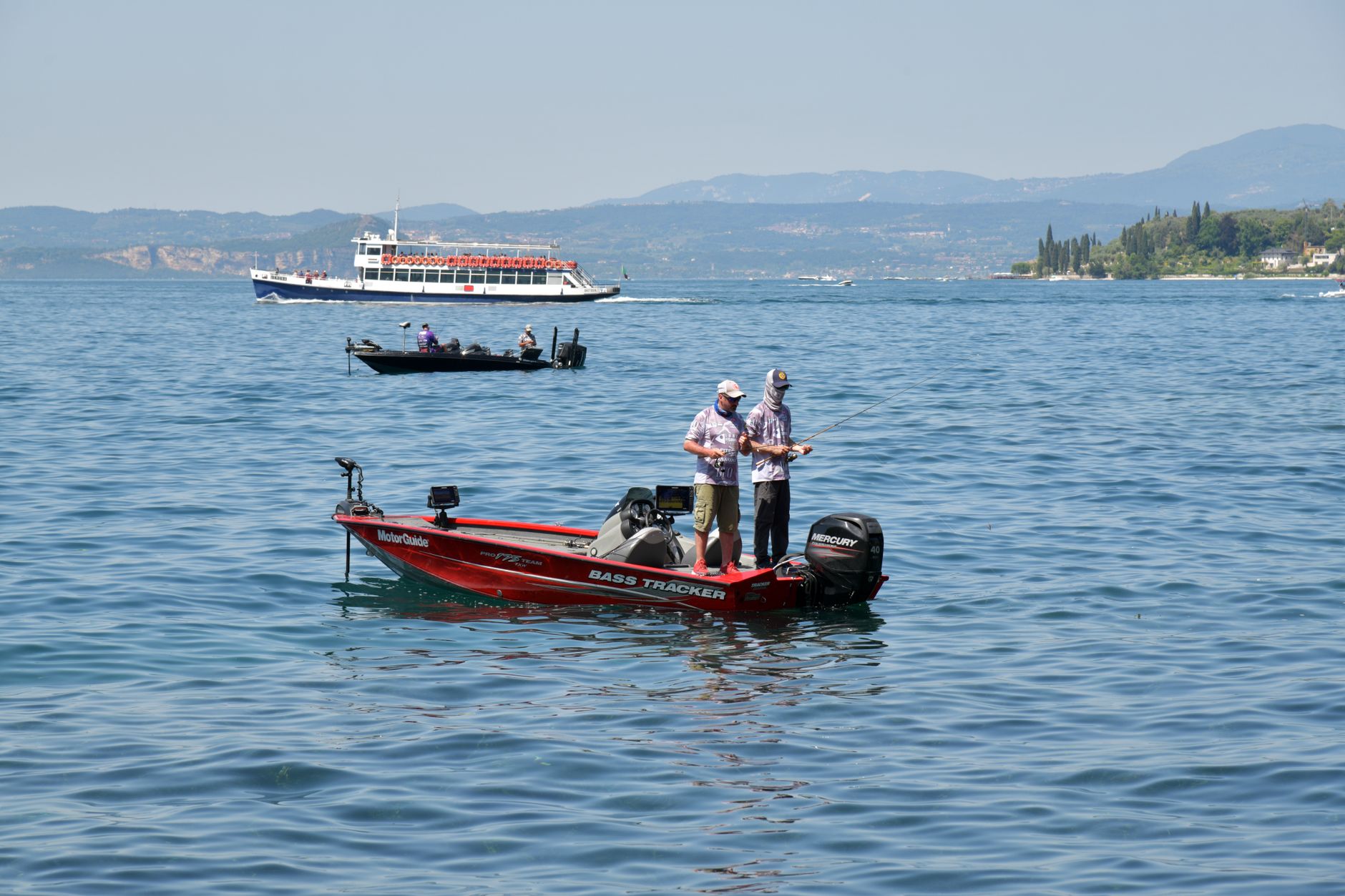
The experiment tests handling advice the same lab issued in 2024 off the back of a six-year acoustic-tagging study of about 1,500 salmon in the Salish Sea. That earlier work found released chinook mortality reaching 40 per cent in the worst gear-and-handling combinations, with oversized hooks driving eye injuries that raised the 10-day death risk by 20 per cent.
Notably, the recreational sector has been an ally rather than an obstacle. Owen Bird, executive director of the Sport Fishing Institute of BC, backed the 2024 guidelines and said anglers tend to accept the reasoning behind them.
"Respecting the fish is very much a part of the experience, so it's a pretty easy pitch to sell to anglers," Bird said.
He was equally candid that the grip-and-grin photo has to change, with released fish staying in the water and the camera saved for a fish that is legally kept.
"We should probably look for a different kind of photo as we move forward, knowing what we know now," he said.
The current checklist for a coho headed back overboard is short: keep it wet, release it at the waterline with pliers or a release gaff, leave the net in the boat, and drop tandem and treble hooks. The authors add a less popular line - since no release is risk-free, keep your legal fish and stop when you hit the limit rather than fishing on for sport.
They are also clear on the limits of their own numbers. Tanks strip out predation and other ocean realities, so this identifies best practice rather than measuring survival in the fishery. With hundreds of thousands of coho released annually on B.C.'s south coast alone, Hinch argues even modest gains in handling would show up in spawning returns.
The work involved the Sport Fishing Institute of BC, the Pacific Salmon Foundation and the Bamfield Marine Sciences Centre, and was funded by the B.C. Salmon Restoration and Innovation Fund and NSERC.