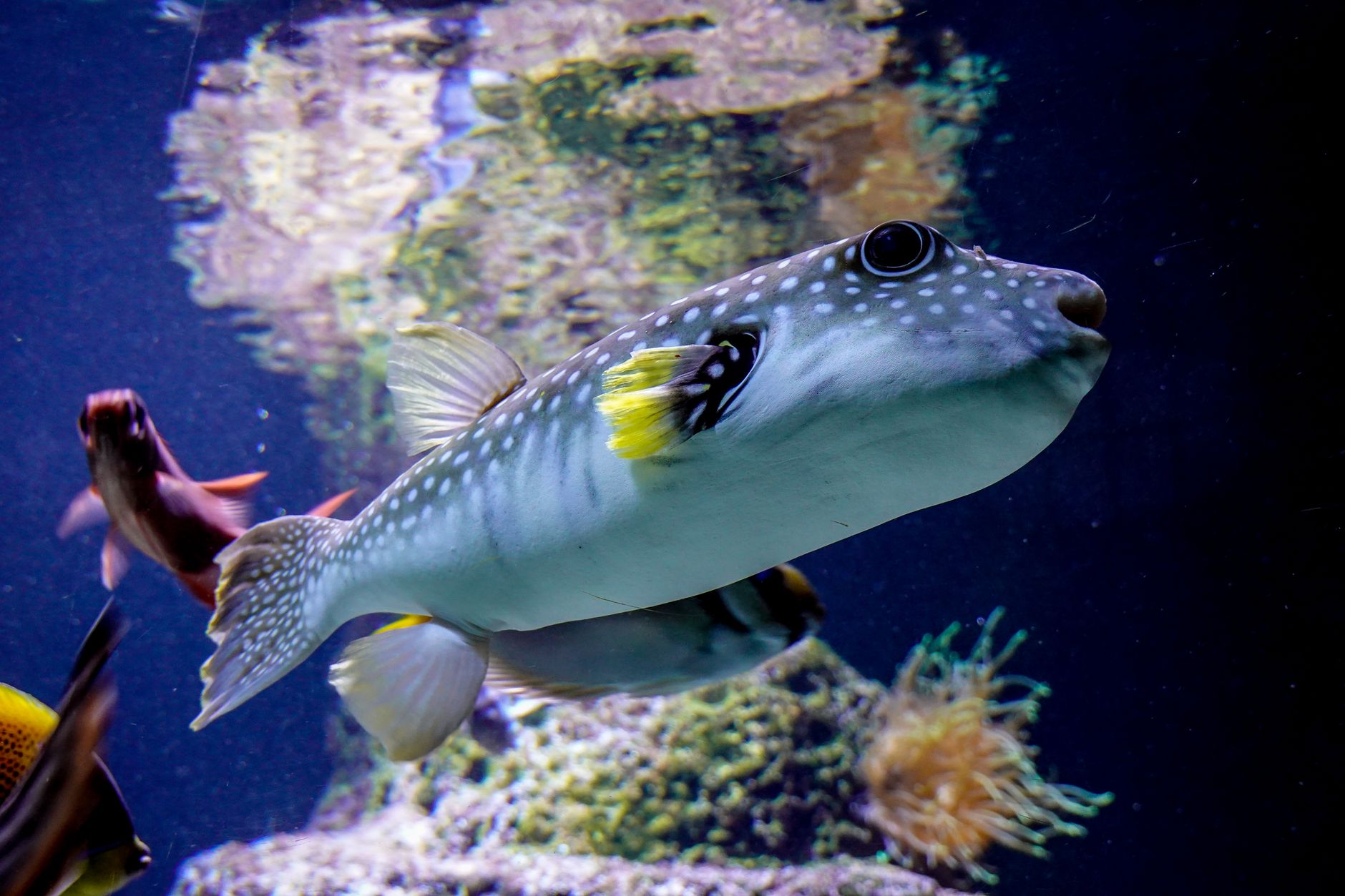
A fisherman off Heraklion pulled a 50-centimetre silver-cheeked toadfish out of the water this week and posted the video. Nikos Kourakis's catch went around Greek media not because it was rare, but because of its size - the fish that has been quietly wrecking Greek fishing gear for two decades is getting bigger and moving west.
Lagocephalus sceleratus arrived from the Red Sea through the Suez Canal, a process known as Lessepsian migration, and has been recorded in Greek waters since at least 2005. It carries tetrodotoxin, a neurotoxin with no known antidote, which makes it illegal to sell or eat anywhere in the EU. Its jaws shear through nets, longlines and, occasionally, fingers.
The Hellenic Centre for Marine Research puts the cost at around 8,500 euros per boat per year in damaged gear and lost income in the southern Aegean. For the men working those grounds, the number is abstract compared with what they haul up.
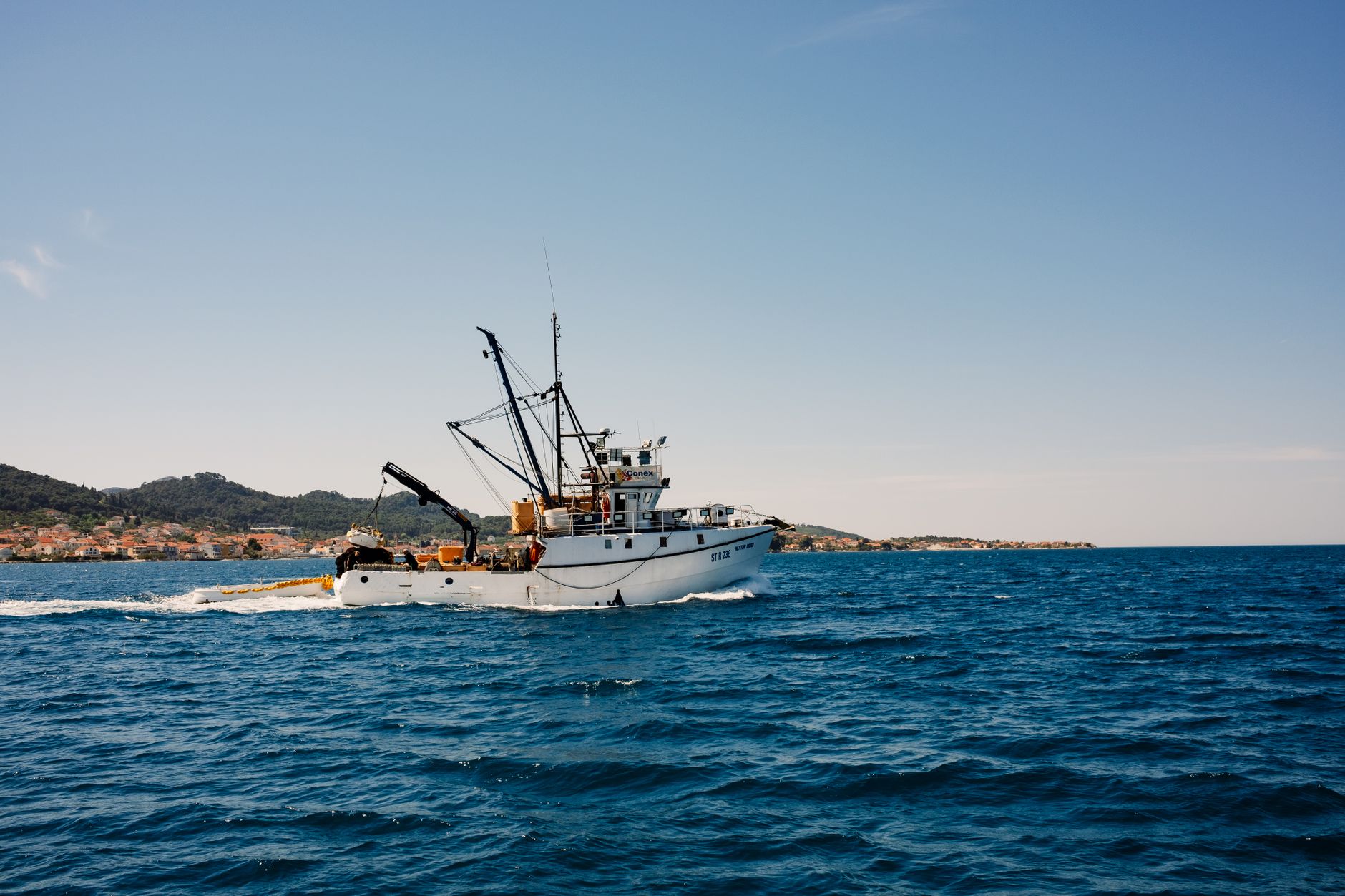
Stathis Evangelou, 29, who has fished the waters around Astypalaia since he was nine, told Kathimerini he catches up to 200 toadfish in a single day.
"It's an omnivorous fish that eats everything it encounters," said Michalis Margaritis, fisheries officer at WWF Greece. "Octopus and clams are among its favorite foods. Due to climate change and rising sea temperatures, they find fertile ground in which to settle. They have no natural predators, and they cannot be consumed by humans, so they multiply rapidly and spread."
The knock-on effect is that fishermen simply abandon ground. Michalis Karpodinis, who fishes out of Rhodes, described to POLITICO how far the fleet has been pushed: "Until a few years ago we used to fish at 40 to 45 meters, but now we have to go nearly 200 meters deep to find red mullet. I avoid the spots where I know there are frequently pufferfish, so I have no choice but to go fishing in distant places that are deeper."
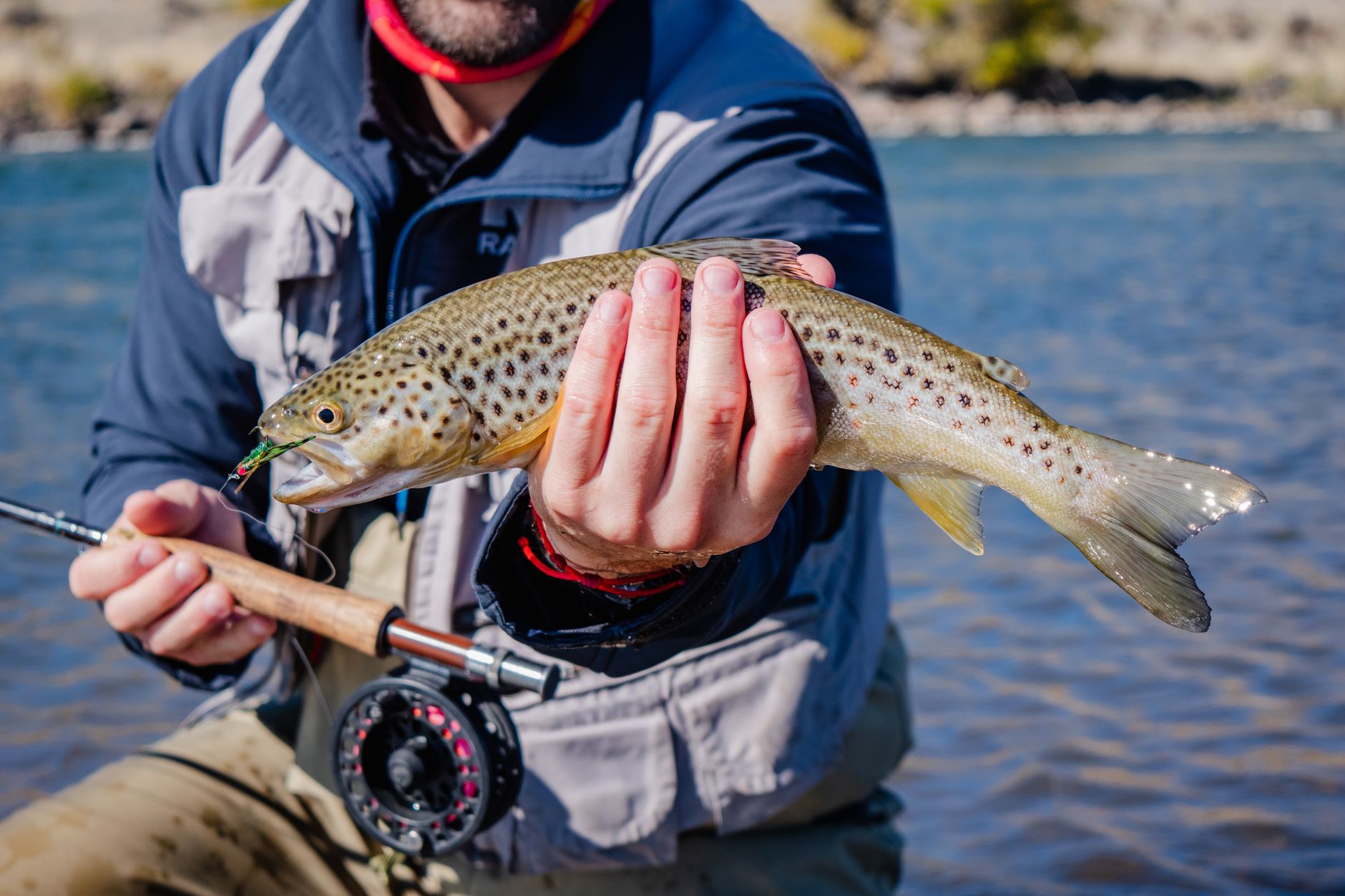
Athens has now responded with money. Copying a scheme already running in Cyprus, the agriculture ministry has launched a pilot programme paying professional fishermen up to 5.33 euros per kilo of pufferfish landed - a rate the ministry says is up to 52 percent higher than the Cypriot equivalent - funded through EU money and rolled out first in Crete and the southern Aegean. Only licensed professionals can take part. The fish are targeted during breeding season, counted, and incinerated.
Spiros Protopsaltis, general secretary at the agriculture ministry, told Mega TV the point is not eradication: "The purpose is to provide an incentive. It's more of a financial support program for fishermen. Since it arrived in the Mediterranean, [the pufferfish] has come to stay. The question is how we will limit its population."
The subsidy sits inside a wider package that includes fuel support of 0.16 euros a litre for April and May and 0.12 euros for June, compensation for boats restricted by new marine parks, a register of recreational anglers with mandatory catch reporting, and a points-based penalty system replacing automatic vessel suspensions.
The fleet's response has been polite but unimpressed. Ioannis Bountoukos, president of the Panhellenic Association of Midwater Fisheries, called the pufferfish programme a move in the right direction while arguing the fuel support does not come close to covering real operating costs, and objecting that the scheme is confined to specific regions.
There is also a sharp disagreement about who the pufferfish is actually a problem for. Greek media coverage this summer has focused heavily on swimmers, after an elderly swimmer was bitten near Athens in June. Anastasia Miliou, director of the marine conservation institute Archipelagos, told MEGA that framing is wrong.
"The problem of pufferfish is for fishermen," Miliou said, adding that in 99.5 percent of Greece's coastline there is no issue for beachgoers. She argued that fish do not attack people unless their behaviour has been altered by being fed or handled, and that the population has not risen dramatically on previous years. Greece has recorded one confirmed poisoning of a beachgoer, in Crete, in 2022.
Her prescription is different from a bounty: better fisheries management, closer monitoring of invasive species and healthier ecosystems, rather than a subsidy aimed at a single species. Whether paying to remove a fish that reproduces faster than it can be landed makes a measurable dent is the question the pilot is about to answer.