Understanding what bass are doing in June is the whole battle, according to the tournament angler behind Bass Fishing HQ. "If you don't know what the bass are doing, then you're not going to understand what baits to throw at the fish," he said. By June most fish are finished spawning and sliding toward early-summer haunts — first points and ledges, grass clumps on flats, or deeper cover in ponds — though a resident shallow population always lingers around fry and bluegill beds. Here are the five lures he keeps tied on to cover it.
First is a big Texas-rigged worm. He flips it into shallow cover and drags it across offshore structure alike, working it with small hops or a slow pull. His two key tips: choose a worm with a floating tail that stands up off the bottom, and resist pegging the weight. "You will get substantially more bites by not pegging it," he said, letting the worm glide freely. He recalled an Ohio tournament where a 10-and-a-half-inch worm out-fished anglers throwing finesse shaky heads.
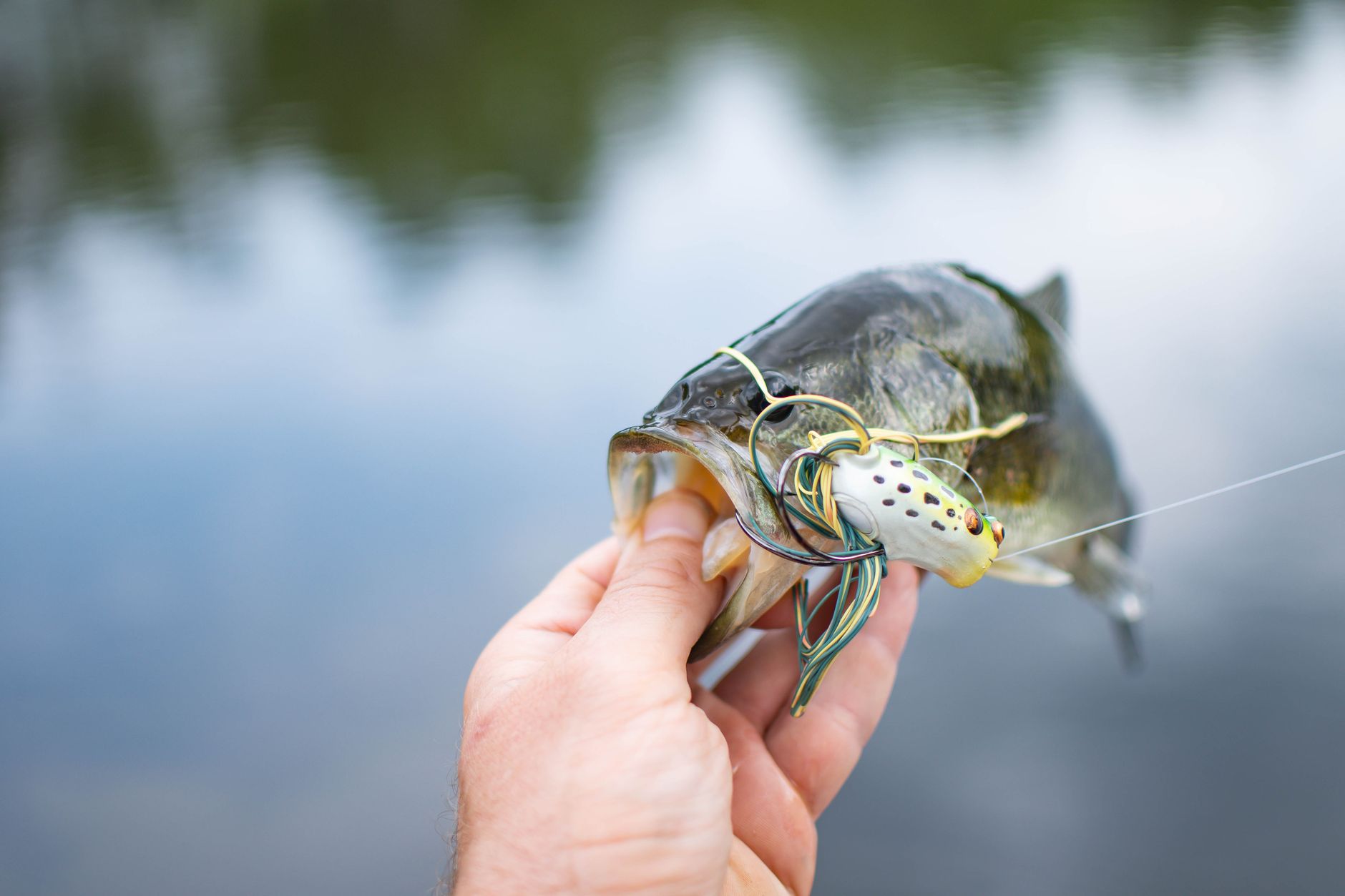
Second is a topwater, which he carries from May through fall. Frogs and toads suit grass and ponds, while walking baits shine in clear water. A favourite is the silent JT Evergreen 115 — "it has zero rattles in it, nothing at all" — which earned him 18th place at a Bassmaster Open throwing nothing else for smallmouth. Around bluegill-eating fish he leans on a popper, and he rotates in a Whopper Plopper because it tempts fish that ignore everything else. Above all, he varies the cadence, even killing the bait mid-retrieve.
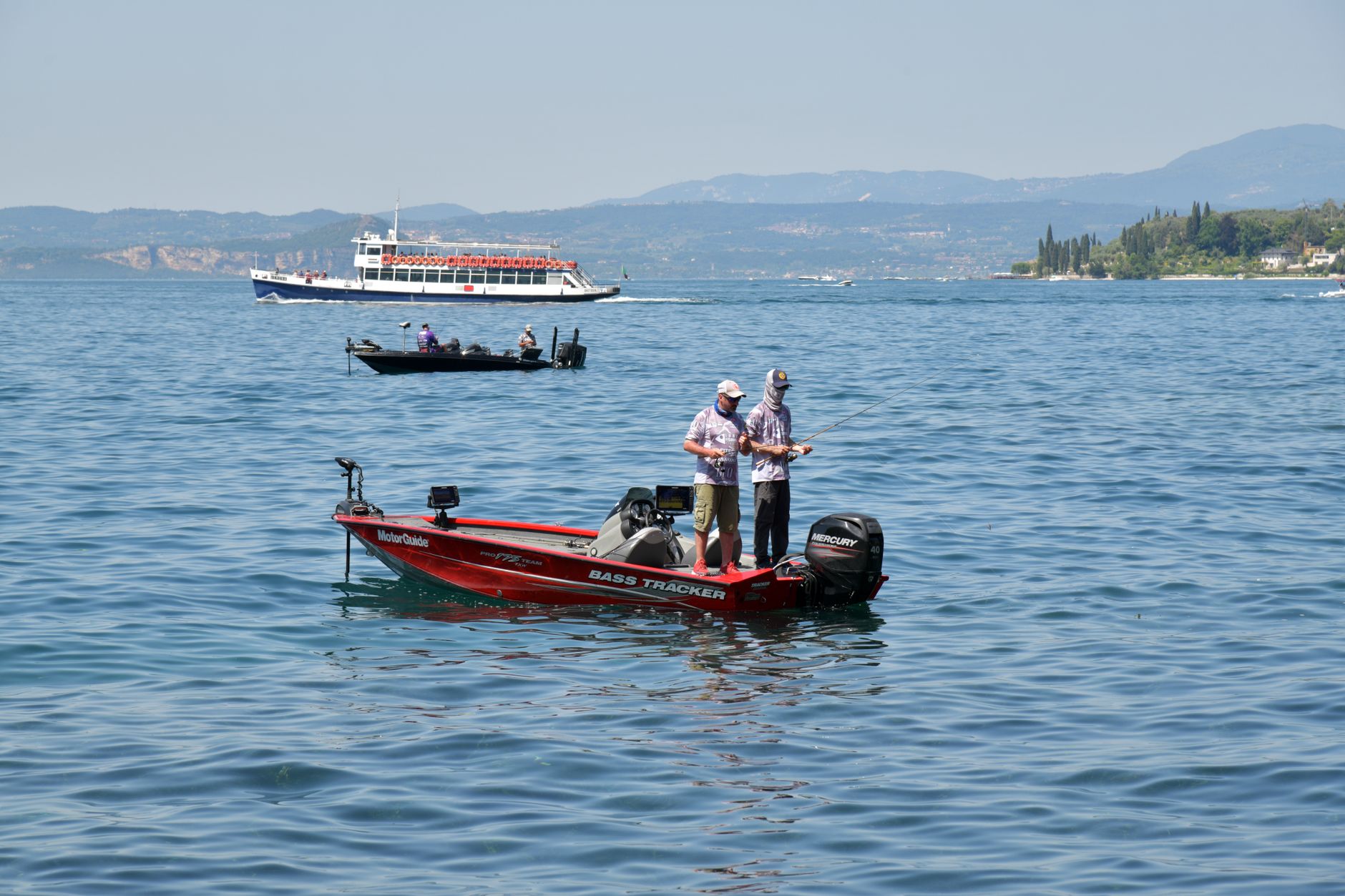
Third is a deep-water swimbait worked slowly along offshore ledges and shell beds, ideally one whose hook separates from the body to keep big fish pinned. A football-head jig with a swimbait trailer is his budget alternative. He stressed landing every fish in an offshore school: lose one, he said, and "it's almost like that fish that you lose goes down there and he tells his buddies and you stop catching them."
Fourth, and the bait he most associates with the month, is a deep-diving crankbait. The crucial variable, he argued, is not colour but rattles. He rigs one noisy and one silent and fishes them side by side. In one tournament, a school shut off after a couple of fish on a loud crankbait; he picked up a silent version and caught fish for the next 30 minutes straight. He now favours 14lb fluorocarbon over 12 for the abuse of grinding bottom.
Fifth is the bail-out bait: a straight-tail worm on a drop shot, for the days when nothing else produces and for picking apart shallow bluegill beds. None of the five is glamorous, but together they cover the way June bass actually behave — which, as he keeps coming back to, is the only thing that matters.