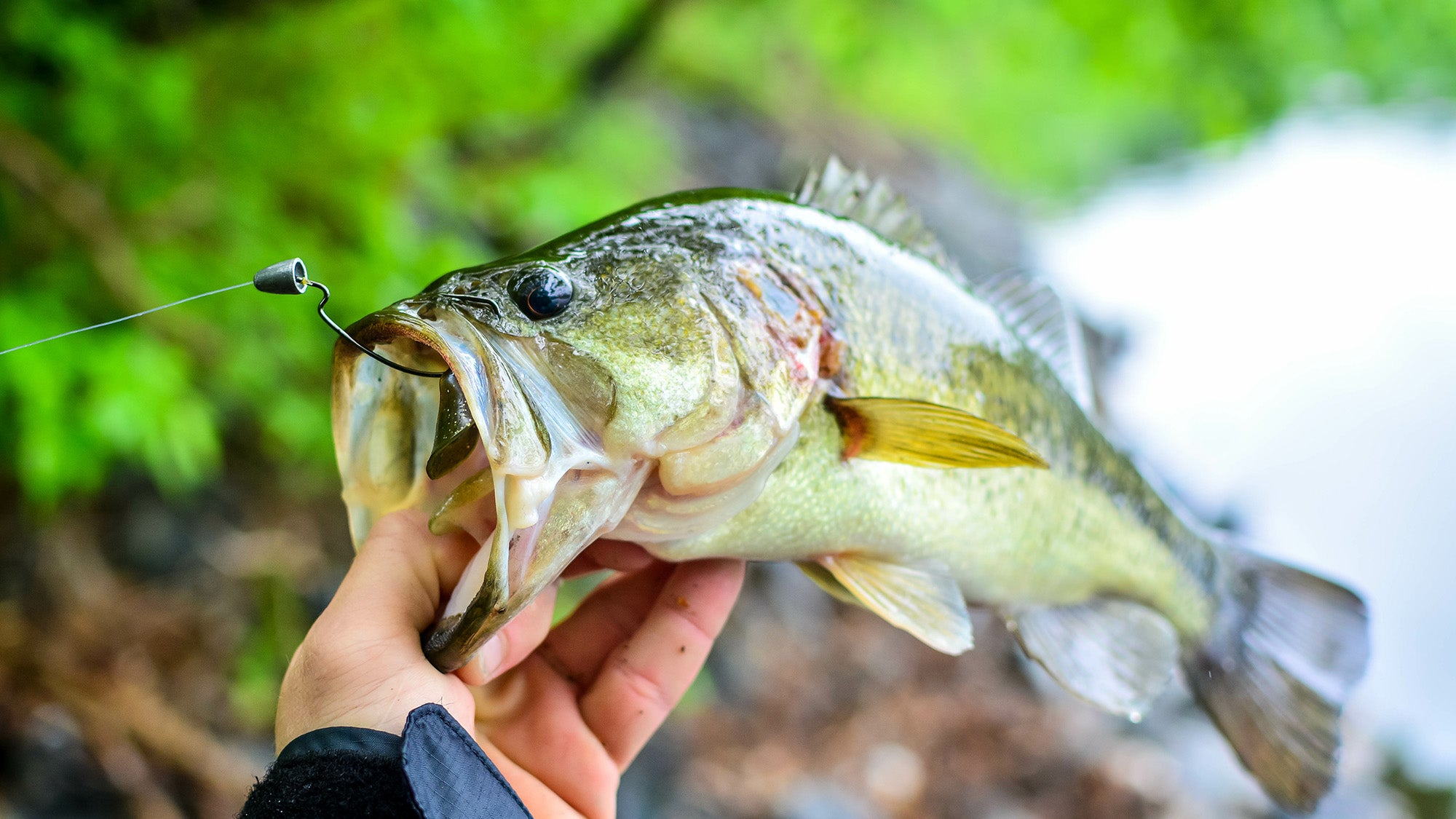
As spring unfurls, many anglers consider it the prime time for bass fishing, thanks to the fish returning to shallow waters. During this season, bass become accessible, enhancing the fishing experience from any platform—a bank, kayak, or bass boat.
"Spring is when bass push shallow and become accessible to all anglers," said an experienced fishing enthusiast. This phenomenon occurs during the three key phases of the bass spawning cycle: pre-spawn, spawn, and post-spawn. Each phase influences how bass behave and position themselves, consequently affecting the strategies and techniques used by anglers.
To harness the best of spring bass fishing, it’s crucial to understand these phases and adapt your approach accordingly. Below are tips tailored to each stage of the spawning process, designed to enhance your success on the water.
Pre-Spawn Fishing Tips
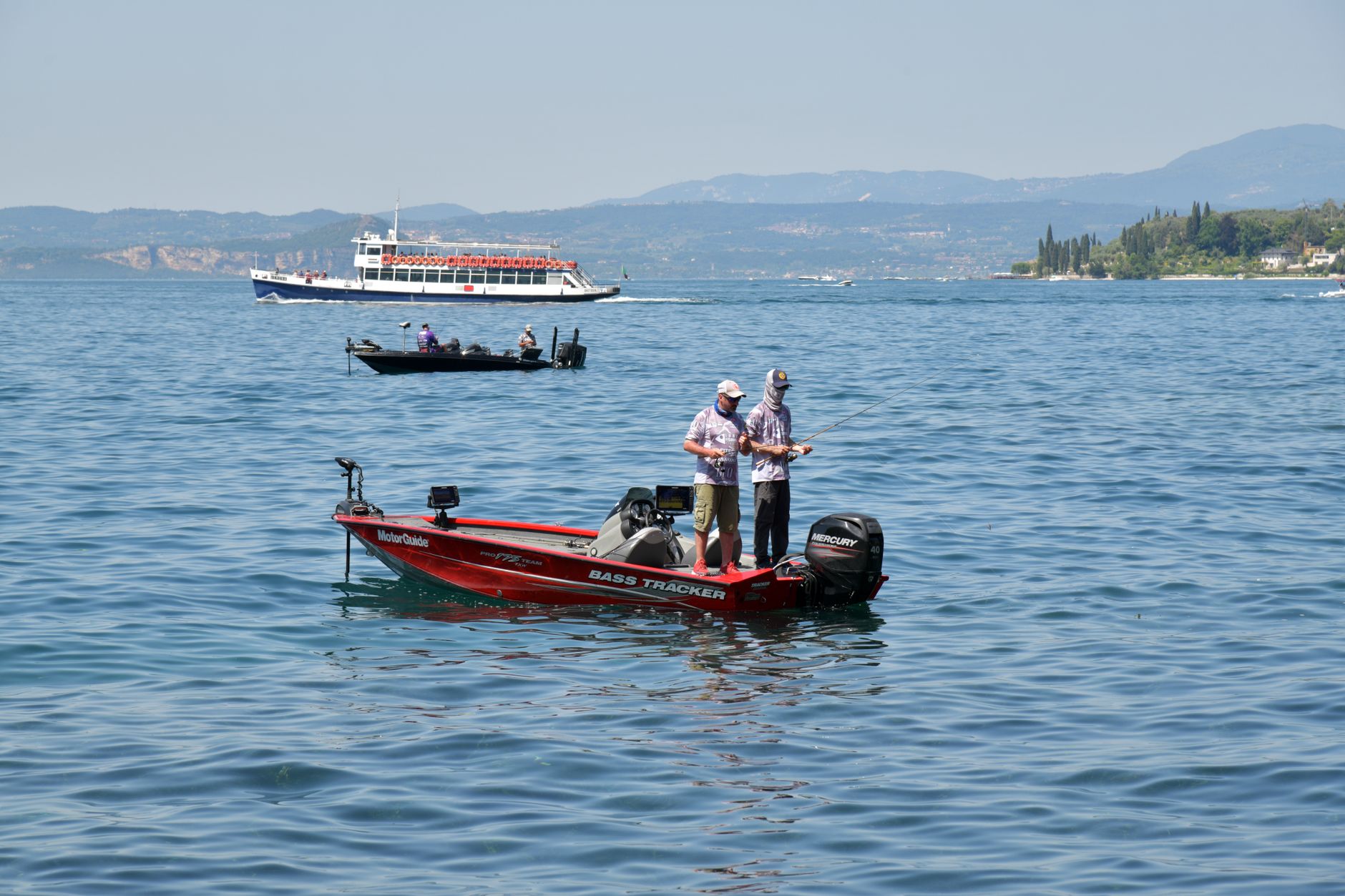
The pre-spawn phase marks a critical time when bass are preparing to spawn. "This is typically when fish will weigh the most, as the females are loaded with eggs and are feeding heavily," said a local fishing guide. With their increased weight and activity, this is an optimal time for anglers to target oversized bass. Here are four pivotal strategies:
1. **Target Staging Fish**: As winter recedes, many bass transition from deeper waters back to shallows, often seeking out areas that provide a mix of both. Look for spots where deep water is close, such as creek channel bends. These wells of opportunity can yield considerable catches. "You can find fish along 45-degree banks leading back into pockets and on primary and secondary points in these areas," noted a veteran angler.
2. **Fish the Bottom Half of the Water Column**: Most of the bass during the pre-spawn phase can be found in the lower levels of the water column, making techniques that reach this depth crucial. "Jigs and medium-diving crankbaits fished along the bottom will produce the best results," recommended a fishing tournament champion. These lures should mimic crawfish, a prime food source at this time. Choose jigs in earthy tones and crankbaits that exhibit crawfish-like colors and actions to improve your chances.
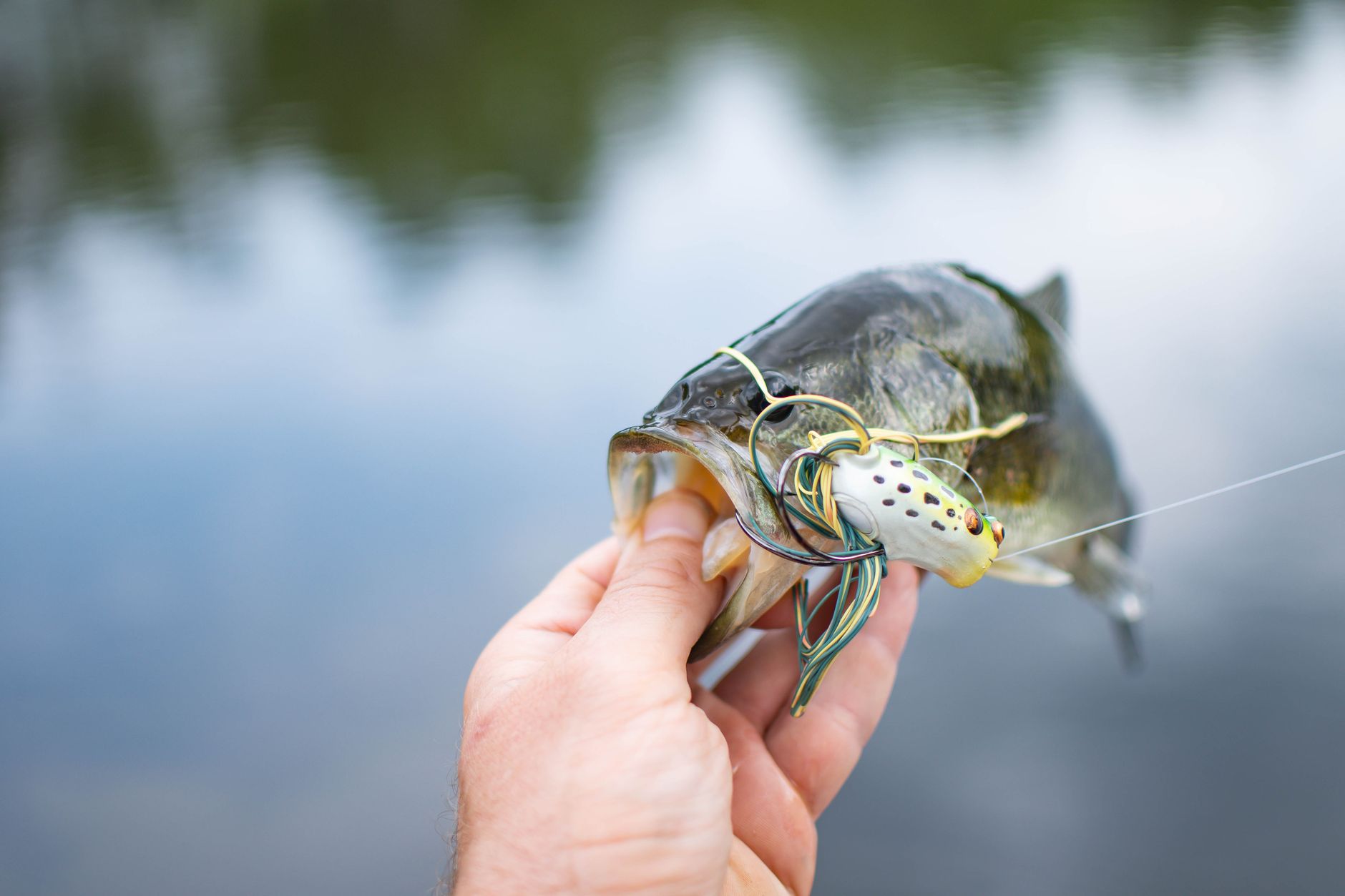
3. **Fish Fast**: The increasing water temperatures herald an uptick in bass activity levels. "As water temps rise in the spring, bass become much more aggressive," commented a noted fishing analyst. Utilizing quicker-moving baits like lipless crankbaits or spinnerbaits can trigger aggressive strikes from these hungry fish.
4. **Look for Cover**: In preparation for spawning, bass often seek cover. "These predatory fish like to use stumps, submerged vegetation, and laydowns as cover to ambush prey," explained a local fishing expert. Setting your sights on these structures can increase your chances of landing a heavy catch.
Spawn Fishing Tips
When bass finally move onto their spawning beds, their behavior shifts significantly. "During this time, bass get nest-heavy, and angling tactics need to adjust accordingly," mentioned a regional outdoorsman. Key during this phase is to understand the bass are less prone to chase after baits:

1. **Stay Stealthy**: Early morning or late evening are prime times for fishing during the spawn. Fishing quietly near spawning areas while keeping a low profile can prevent disturbing the bass, enhancing your chances of a successful catch.
2. **Use Light Presentation**: Finesse techniques often work best when bass are on their beds. "Light line and smaller baits can trick even the most wary fish into striking," suggested a local guide. Employing techniques such as wacky rigging or drop-shotting can prove beneficial during this critical period.
3. **Focus on Female Bass**: Observing nests allows anglers to observe potential catch opportunities. "Casting near the edges of spawning beds can yield some of those trophy females," said a professional angler, emphasizing the need to pay attention to where bass are protecting their territory.
4. **Be Mindful of Timing**: Fishing during the low-light hours or on cloudy days can increase your chances of a successful catch. “Bass are less cautious in these conditions, making it easier for anglers to get a bite,” a fishing mentor advised.
Post-Spawn Fishing Tips
After spawning, the behavior of bass undergoes another transformation. They often become more aggressive while they recover from the stress of spawning. Successful anglers should consider the following:
1. **Gradually Explore Deeper Waters**: As bass recover, many will push back to deeper waters while still staying in proximity to their spawning areas. "Fishing close to that transition zone can help you find post-spawn fish," suggested an industry expert.
3. **Focus on Feeding Zones**: Look for areas where forage is abundant. "Post-spawn bass will look to regain their strength, often around underwater structures where bait is plentiful," noted a local fishing pro.
4. **Be Patient**: Finally, patience is key. "Bass can be tricky to locate at this stage, so don’t rush your strategy," reminded a seasoned angler.
Outlook
With a strategic approach tailored to each phase of the bass spawning process, anglers can expect rewarding experiences on the water this spring. By applying these targeted tips and adapting to the behavior of bass, fishing enthusiasts can significantly enhance their success rates. As seasons shift, understanding the fish's lifecycle remains essential for any productive fishing venture.