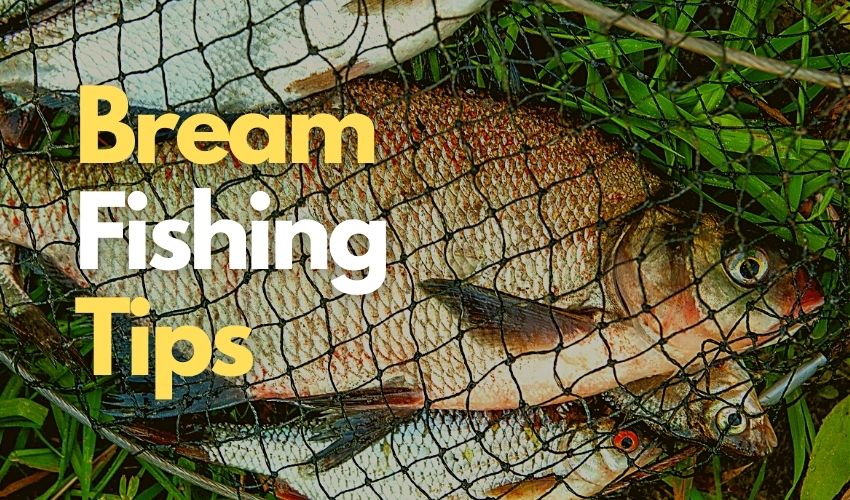
Bream fishing has become increasingly popular in recent years, attracting both seasoned anglers and novices alike. As more people flock to rivers, lakes, and ponds in search of these plentiful fish, understanding the nuances of lure selection and retrieval techniques can make a significant difference in success.
"Bream are abundant and can provide a thrilling catch for anglers of all skill levels," said Steve Starling, a prominent fishing author and television presenter. His insights underscore the appeal of bream fishing and highlight the importance of effective strategy.
Part of the allure of bream fishing is its accessibility during summer months. Fish become more active, feeding aggressively close to the surface. This time of year is particularly sociable, as families and friends gather, sharing tips and camaraderie at local fishing spots. Starling emphasized that, "the culture around bream fishing fosters a community environment, enhancing the overall experience for everyone involved."
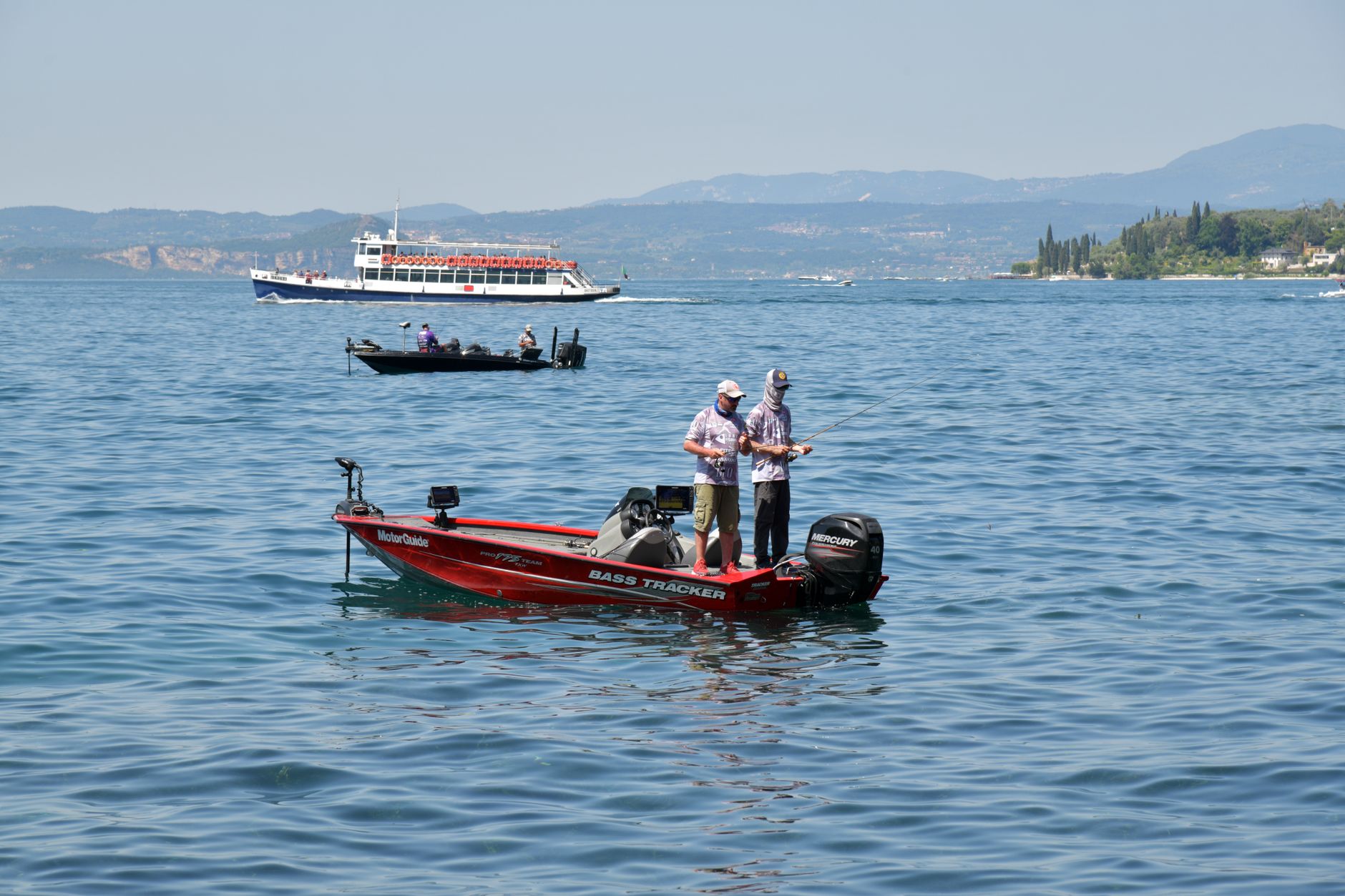
To optimize your catch, a key factor is understanding the bream's feeding habits. These fish are often found near areas with plenty of cover, such as aquatic vegetation or submerged structures. "Bream tend to congregate around timber and vegetation, which are prime spots for fishing," advised Starling. This knowledge enables anglers to better position themselves for a successful catch.
The bait choice is equally crucial. Live bait such as worms, crickets, or grass shrimp can be effective, but many anglers also rely on artificial lures like jigs and spinnerbaits to snag these fish. Experimentation is important, as different days may require different approaches. "Finding the retrieve that works on a particular day can be the difference between a successful fishing trip and an unproductive one," Starling noted.
Patience is essential when targeting bream. These fish often feed near the bottom, and allowing your bait to settle before reeling it in is a well-advised strategy. For those using bobbers, adjusting the depth is critical. As Starling pointed out, "keeping your bait where the fish are feeding is vital to your success."
Moreover, anglers should take note of the time of day. Early mornings and late afternoons are recognized as prime periods for fishing, when bream are known to be most active. With the right techniques and a bit of practice, reeling in larger bream can become a common occurrence.
Bream are versatile fish often found in diverse habitats; their preferred locations include lakes and ponds abundant in aquatic vegetation. Filters of vegetation, such as lily pads and submerged timber, provide much-needed cover for these species. According to Starling, "Locations with spawning beds are particularly productive, making them hotspots during specific times of the year."
Building on natural habitats, anglers can also influence bream populations through practices like creating food plots. Planting vegetation conducive to bream sustains a flourishing fishery and ensures that the fish have ample food sources. Regular checks with local regulations are necessary, as they guide anglers on the legalities of habitat enhancement and fishing licenses.
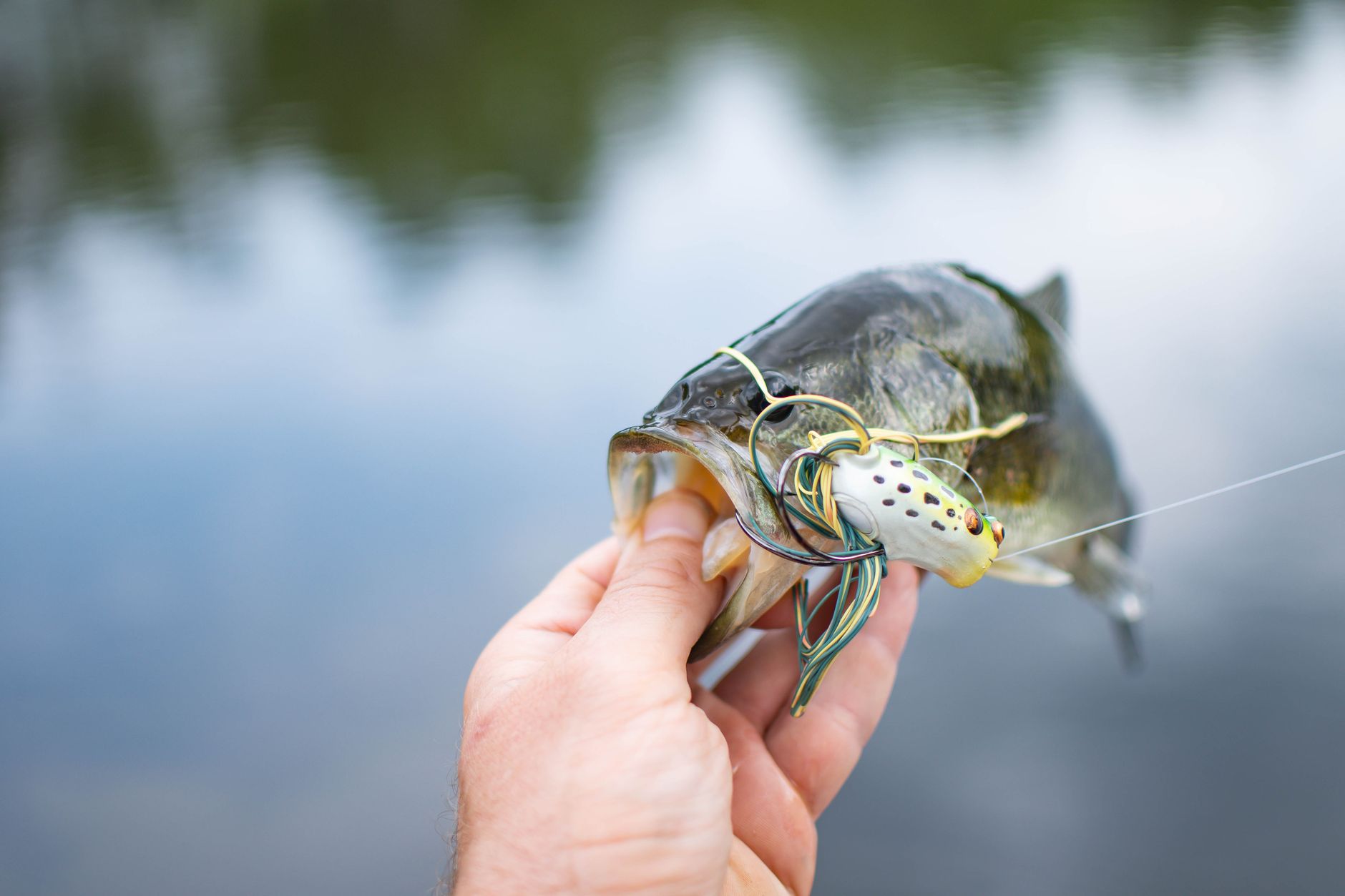
When it comes to gear, the right tackle makes all the difference. Smaller hooks are generally more effective due to the bream’s comparatively small mouths. Live bait like mealworms or maggots can attract bream effectively. On the other hand, lightweight jigs and spinnerbaits are preferred artificial lure options. "Using the right tackle can drastically change your success rate," Starling explained.

In summary, bream fishing is a combination of understanding fish behavior, selecting the right gear, and employing effective techniques. As the community around this fishing method grows, the sharing of knowledge continues to enhance the overall experience for all involved. Whether you're a newcomer or a seasoned angler, these strategies can help improve your bream fishing outings. Exploring these tactics not only increases your chances of a successful catch but also deepens your connection to the water.