Scientists have recommended the first increase in the Barents Sea cod quota in five years. The fleet that depends on it is not treating it as a recovery.
The Joint Russian-Norwegian Arctic Fisheries Working Group advised on 26 June that catches of Northeast Arctic cod should not exceed 312,667 tonnes in 2027. That is 16 percent above the advice issued for 2026, and 10 percent above the 285,000 tonnes Norway and Russia eventually agreed to fish this year - a figure that was itself the lowest cod quota since 1991.
The lift rests on a single cohort of fish.
"The council is raising the quota because the 2021 year class is on its way into the fishable stock," said Bjarte Bogstad, the stock assessment lead at Norway's Institute of Marine Research. "This year class is moderately strong and stronger than the previous year classes."
The rest of the recruitment picture is bleak. The working group's own figures show the 2020, 2023 and 2024 year classes are weak, 2022 came in below average, and the outlook does not improve.
"The 2025 class is also below average," Bogstad said.
"Since the average age of cod that spawns for the first time is 7 years, this means that there will be little replenishment of the spawning stock until 2028," Bogstad said. "Fishing in the coming years will largely depend on the moderately strong 2021 year class."
The advice sheet is blunt about where the stock sits: spawning biomass in 2026 is below both MSY Btrigger and the precautionary reference point, though still above the limit reference point, and fishing pressure in 2025 ran above Fpa.
Norway's seafood industry body Sjomat Norge read the advice the same way. Its director of industry, Martine Werring-Westly, indicated that next year will again be a demanding one for the sector, while adding that the expectation of 2026 being the low point had at least been borne out and that a rise, however weak across several species, is now in view.
On the quayside the squeeze is showing up in price, not tonnage. The FAO's GLOBEFISH European Fish Price Report for July found Norway's frozen cod landings in the first half of 2026 fell to their lowest level since the turn of the century. The average export price for frozen whole Norwegian cod passed NOK 100 per kilogram for the first time, reaching NOK 104. Stockfish for the 2026-27 season jumped from EUR 26 to EUR 45 per kilogram, and wet salted cod fillets from EUR 13 to EUR 20. Sanctions restricting Russian cod in several key markets have tightened supply further.
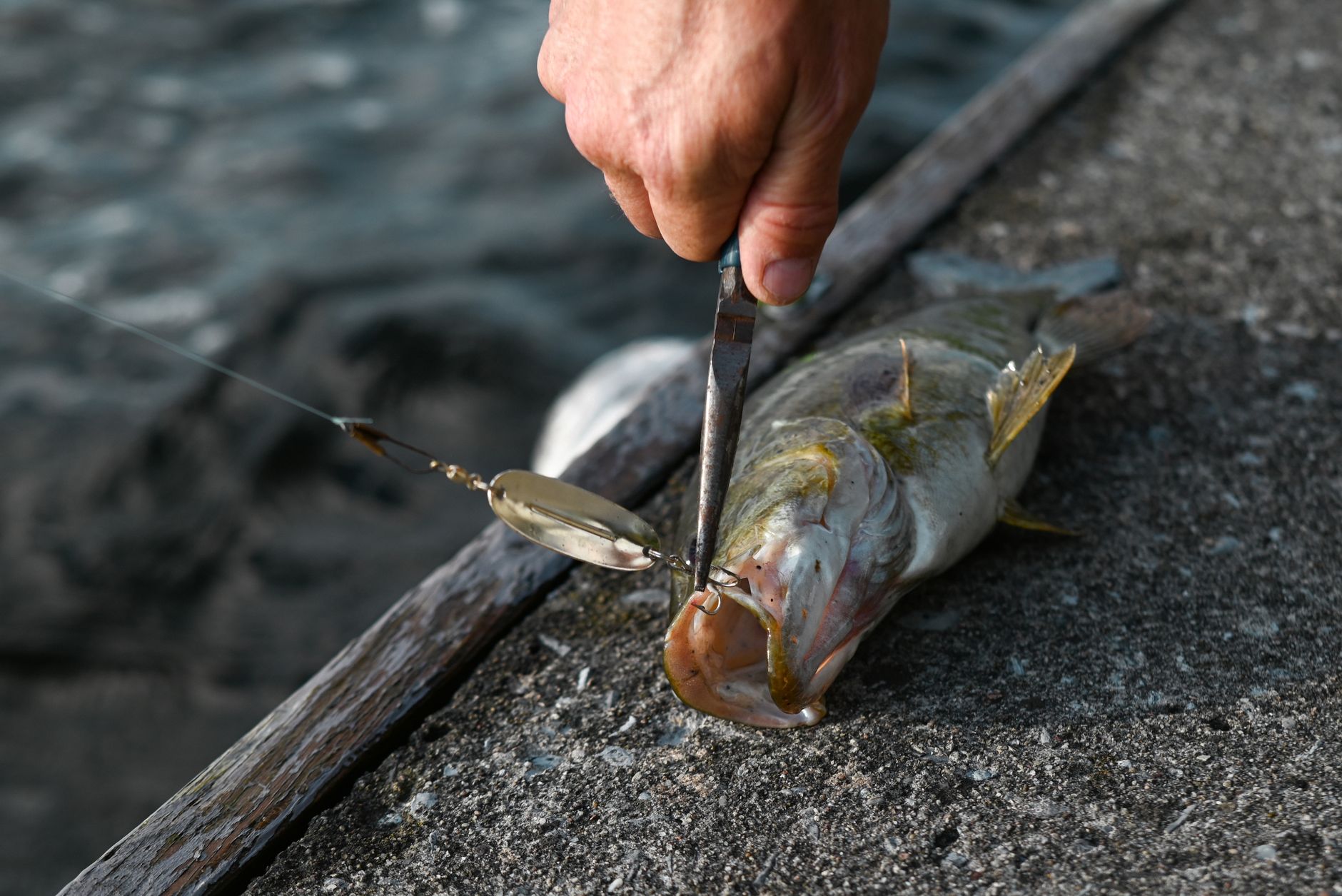
Reaching even this year's quota agreed took work. Russia's VNIRO institute pushed for 315,033 tonnes for 2026 against the working group's 269,550; the 285,000-tonne compromise landed between them, and Norway's July listing of the Russian fishing companies Norebo and Murman Seafood Company hung over the talks.
"The listing of the two Russian shipping companies has left its mark on the negotiations," Norwegian Minister of Fisheries and Ocean Policy Marianne Sivertsen Naess said when the deal was announced in December.
"For cod, we hope 2026 will mark the lowest point and that the stock will develop positively," Lerbukt said. "For haddock, there is a welcome quota increase, while the quotas for Greenland halibut and beaked redfish remain stable."
His association also warned that reduced cod quotas mean many vessel owners and crews face a year of thin operating margins and long stretches tied up.
Zoom out and it looks worse. The Institute of Marine Research's own resource overview mapped 35 million tonnes of biomass across Norway's sea areas in 2013. By 2025 that figure had fallen to 17 million tonnes.
Final quotas for 2027 will not be set until Norway and Russia meet for negotiations later this year. Haddock advice rose 18 percent to 180,336 tonnes and Greenland halibut 32 percent to 19,610 tonnes - but as Bogstad noted of the haddock cohorts now entering the fishery, "it is important not to fish these year classes too early and let them exploit their growth potential."