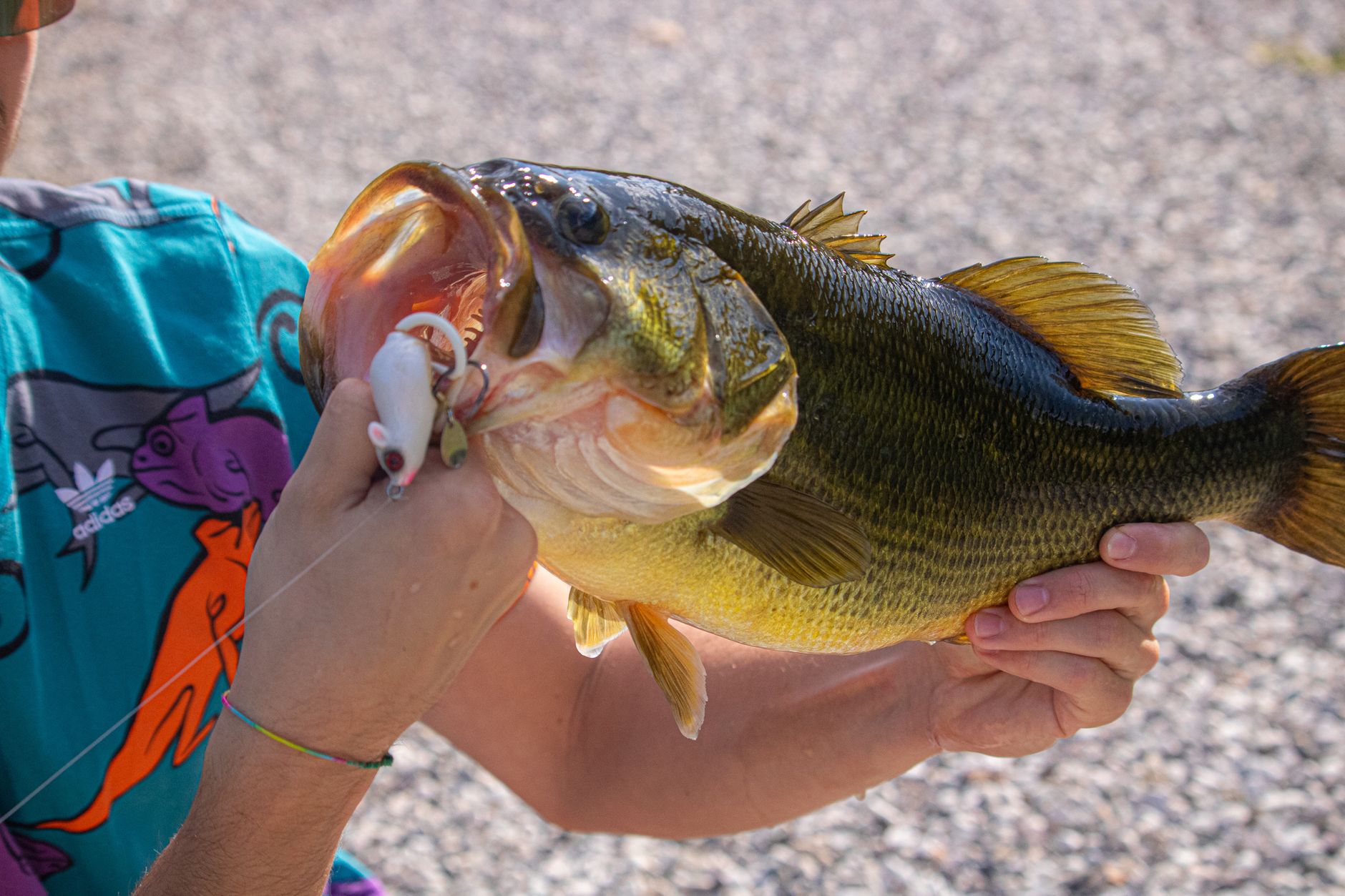
For years the answer around Chattanooga was simple: catch a smallmouth, take a photo, put it back. Tennessee is now telling anglers they can keep five a day, and the reasoning has less to do with how many fish are out there than with what those fish actually are.
The Tennessee Wildlife Resources Agency has published a draft Black Bass Management Plan, a 10-year strategy covering the state's five native black bass species. Public comment runs until September 4, and TWRA is holding five open-house meetings across the state to collect it, in Paris, Birchwood, Kodak, Nashville and Johnson City. The Birchwood session, at Birchwood Elementary School, runs from 6pm to 7:30pm on Tuesday, August 18.
For anglers around Chickamauga and Nickajack, the headline shift is the smallmouth creel. The long-standing Chattanooga-area rule allowed one smallmouth per day and only if it measured over 18 inches. Under the changed management philosophy, anglers will be allowed five smallmouth of any length per day, with only one fish permitted to exceed 16 inches.
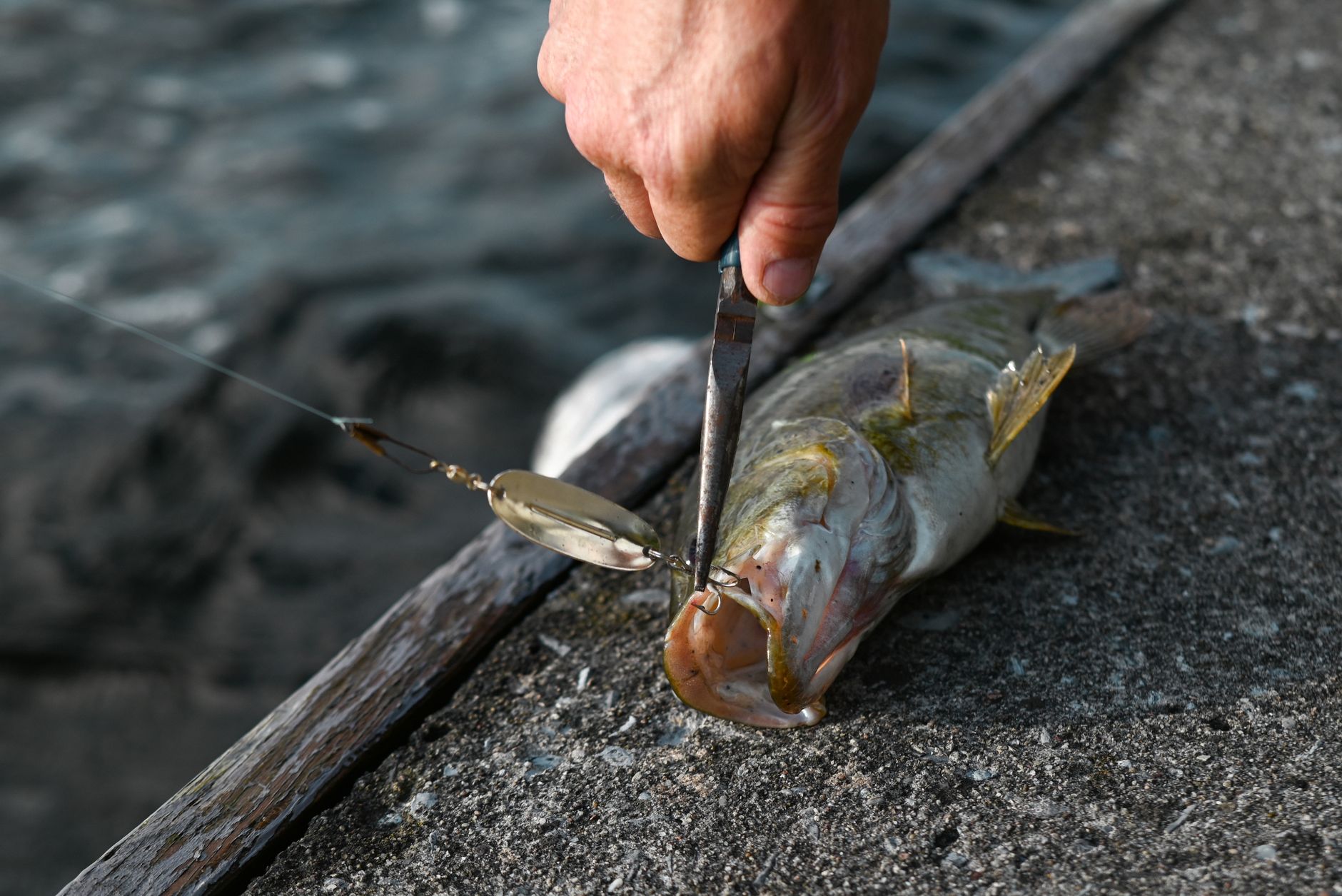
That reversal is driven by genetics rather than abundance. Tennessee biologists report that genetically pure smallmouth are becoming harder to find, with DNA tests increasingly showing hybridisation with spotted bass, particularly the aggressively spreading Alabama-strain fish.
Work by the Tennessee Cooperative Fishery Research Unit, Tennessee Tech University and TWRA frames the problem as unlike most invasive-species fights. The concern is not competition or predation but interbreeding with the state sportfish, and the enforcement headache that follows: as the research partners put it, anglers, managers and officers cannot always look at a fish and tell exactly what it is, which forces the question back onto laboratory genetics. TWRA biologists are now collecting fin clips across all major reservoirs and selected rivers to build a statewide baseline.
The draft plan itself came out of a stakeholder advisory committee of citizen volunteers. Caleb Bell, a guide at BassQuest Fishing in Chattanooga, sat on it.
"We have fishing podcasters, guides, college fishing coaches, tournament directors, pro anglers, radio hosts related to fishing, like boat dealership owners, marina owners," Bell said. "We've got men and women in there, we've got people from tourism boards."
Bell came away impressed by how much was already underway.
"A lot of it was a really good learning experience for me because I didn't know a lot of the amazing things that they were already doing," he said. "So this is just a chance for us to kind of build on top of that."
Not every stakeholder is applauding. Richard Simms, who runs Scenic City Fishing, singled out one commitment in the document and made clear he intends to hold the agency to it.
"They've committed to doing a better job communicating with the public about what they're doing and what they hope to accomplish," Simms said. "I would very much like to see them follow through with that."
His criticism is specific, and it centres on tournaments, which the plan proposes to cover with more communication, reporting and accountability.
"Right now, quite honestly, they do, in my opinion, a very poor job of that," Simms said. "They do not work closely with the numerous tournaments, whether it be for gathering research or providing input."
The economics behind the plan are substantial. An estimated 703,395 anglers fished for black bass in Tennessee in 2024, 601,035 of them residents, making roughly 9.58 million trips. At an average of $168 per trip covering fuel, gear, food and rentals, that adds up to about $104 million in annual spending. Black bass angling is a significant slice of the $1.7 billion a year that fisheries contribute to the state economy.
TWRA has been careful about what the document does and does not do. The plan sets management goals, objectives and strategies, and provides broad guidance for commissioners and staff. It informs, but does not replace, the existing process for setting fishing regulations.
The meetings are open-house format with no formal presentation, so anglers can arrive at any point in the 90 minutes. The draft, a summary video and an anonymous online survey are all posted in the fishing section of the TWRA website.