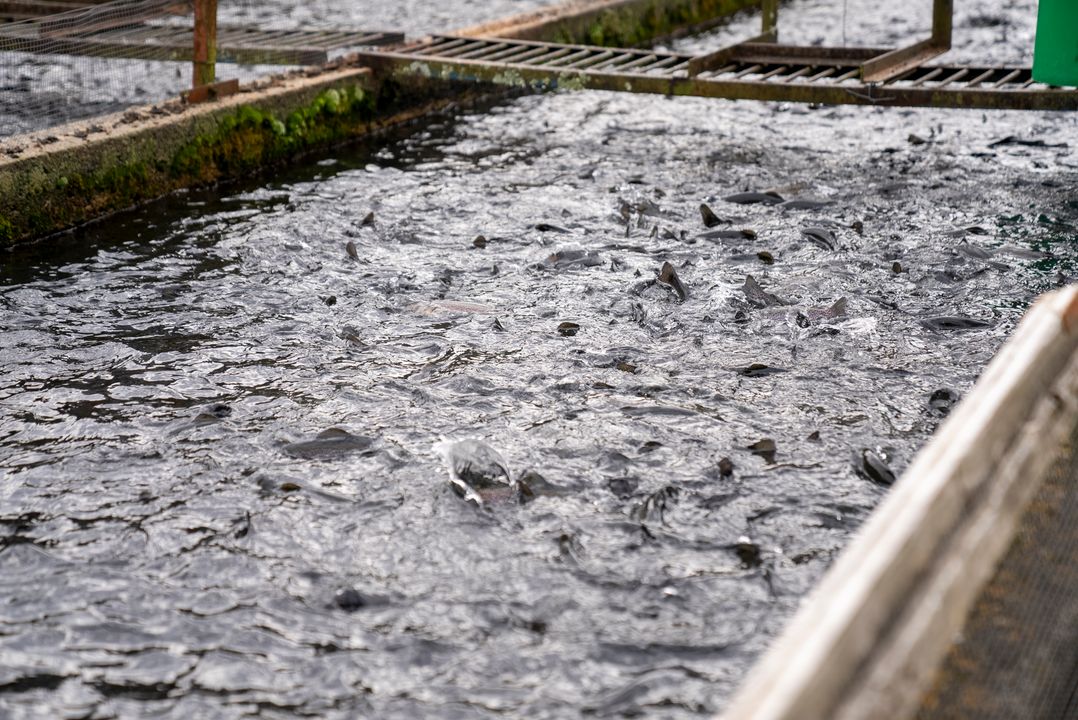
For close to a hundred years, the Brule River State Fish Hatchery has supplied trout to northern Wisconsin's lakes and streams. This season its raceways are dry, the casualty of a budget fight that anglers fear will ripple through a fishery worth about a billion dollars annually.
The trouble traces to a deadlock between Gov. Tony Evers' administration and Republican legislators over spending authority for the state's fish and wildlife account. Without it, the Department of Natural Resources shut the Brule and Osceola hatcheries and floated steep stocking cuts — at one stage a 70 percent reduction in musky and 45 percent in walleye, amounting to more than half a million fish. When the Legislature's finance committee cleared $4 million in additional authority in May, the DNR said musky stocking was nearly whole again and the statewide cut had shrunk to roughly 7 percent. Brule and Osceola, though, stay shuttered for the year.
In a state where 82 percent of voters made fishing a constitutional right in 2003, the closures landed hard.
"Our Legislature has an ultimate responsibility to fund Wisconsin natural resources: the fisheries, the wildlife, the law enforcement, the parks and rec," said Tom Johnson of the Douglas County Fish and Game League. "They failed us."
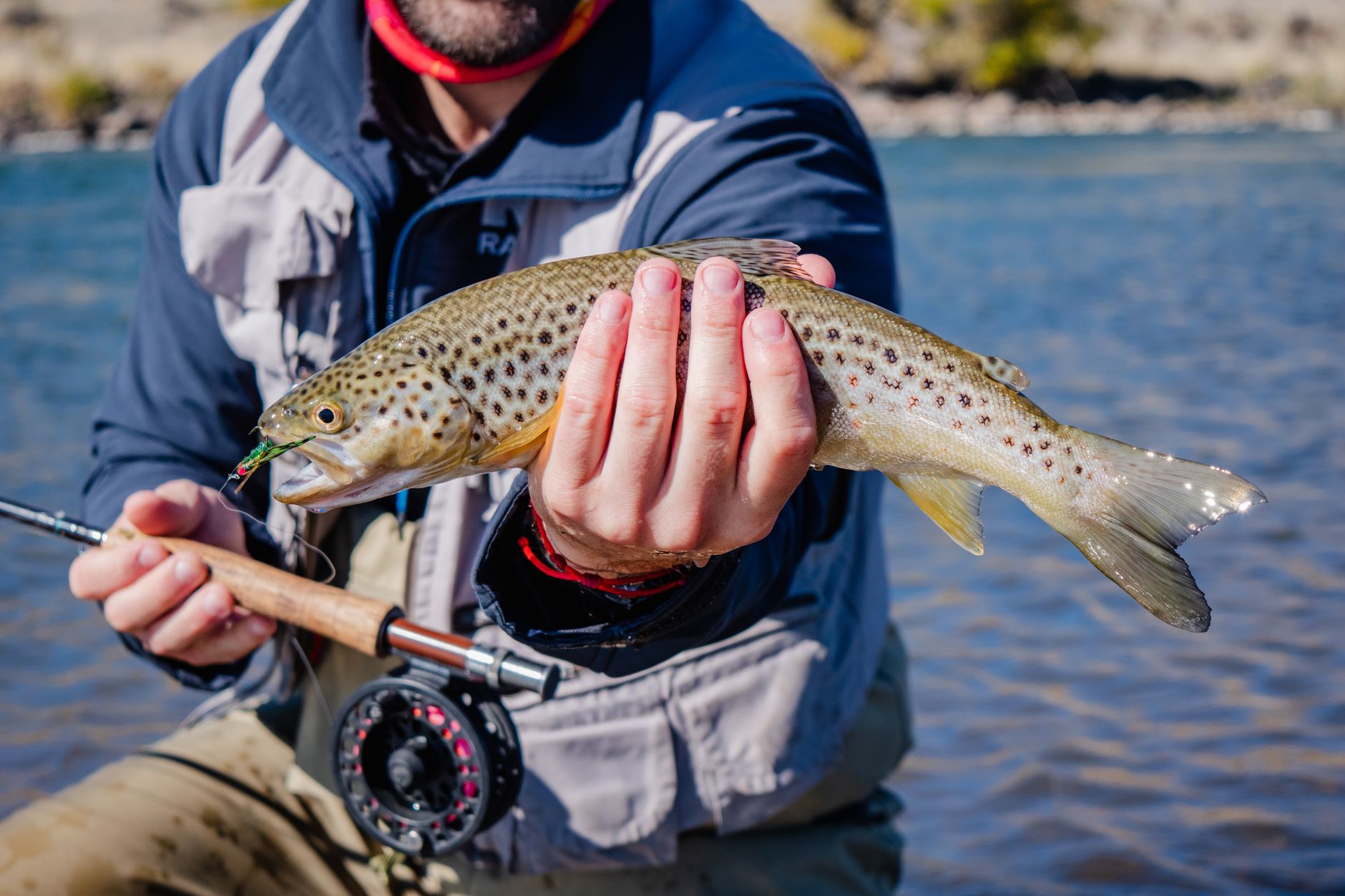
The biology leaves little slack. Brule usually raises about 160,000 brown trout to release size each summer after the Les Voigt hatchery hands them off; last year the system put 372,000 brown trout into Lakes Superior and Michigan. Egg collection is locked to the seasons.
"If we do not collect eggs at a certain time, we can't come back a month later and pick up eggs," said Darren Miller, who oversees the Les Voigt and Brule facilities. "We operate on what Mother Nature does, and there's a narrow window when she's supplying our eggs that we need for our production."
"That is unacceptable. This should not have happened," said Sen. Romaine Quinn, R-Birchwood, whose district takes in the Brule hatchery. "Republicans did not cut any money from the fisheries budget."
Rep. Mark Born, who co-chairs the budget committee, kept the blame on the agency. "The DNR needs to do its job, use the authority that was approved and focus on carrying out its core fish and wildlife responsibilities instead of pointing fingers over agency-made deadlines and management decisions," he said.
Democrats said the committee dawdled on a time-sensitive request. "I think that they did the best with what they could, but the delay on this committee, I think, significantly impacted that," said Rep. Tip McGuire, D-Kenosha. Rep. Deb Andraca, D-Whitefish Bay, summed up the holdup dryly: "But the good news is that fish too shall pass."
The real driver is money that has not kept pace. The fish and wildlife account has carried a $16 million shortfall, with license fees flat since 2005. Even feed has spiked: a 50-pound bag of fish food that "used to be about $16," Miller said, "now, it's about $55." Division administrator Eric Lobner said his staff have been holding things together with "shoe strings and duct tape."
Nor can the state simply buy its way out. Fisheries chief Justine Hasz said private hatcheries may not hold fish with the right genetics, and the DNR lacks the food and staff to grow many more itself. "There's only so many fish we can produce at this point," she said.
University of Wisconsin-Madison professor Adena Rissman said the strain has been years in the making. "After decades of cuts and budgets not keeping up with inflation, they just end up doing less," she said. "This means less of what hunters, anglers and all people outdoors want."
Todd Berg, of the new group Friends of Wisconsin Fisheries, said most anglers he hears from would accept higher license fees to steady the system. "No business can survive without proper budget planning," he said.