Anglers on Boston Harbor are hauling 50-pound striped bass with the city's downtown towers as a backdrop - an everyday sight on water that, within living memory, was among the filthiest in America.
Through most of the last century the harbor absorbed raw sewage and industrial waste. A federal court order forced a cleanup, the Deer Island treatment plant was built, and clean water gradually returned. Behind it came the baitfish, the big predators, and a fishing scene few saw coming.
"Boston Harbor is one of if not the premier fishing spot in the Northeast," said Chris Megan, publisher of On the Water magazine.
For Pete Santini, owner of the Fishing Fanatics bait shop, the contrast with his childhood is hard to overstate.
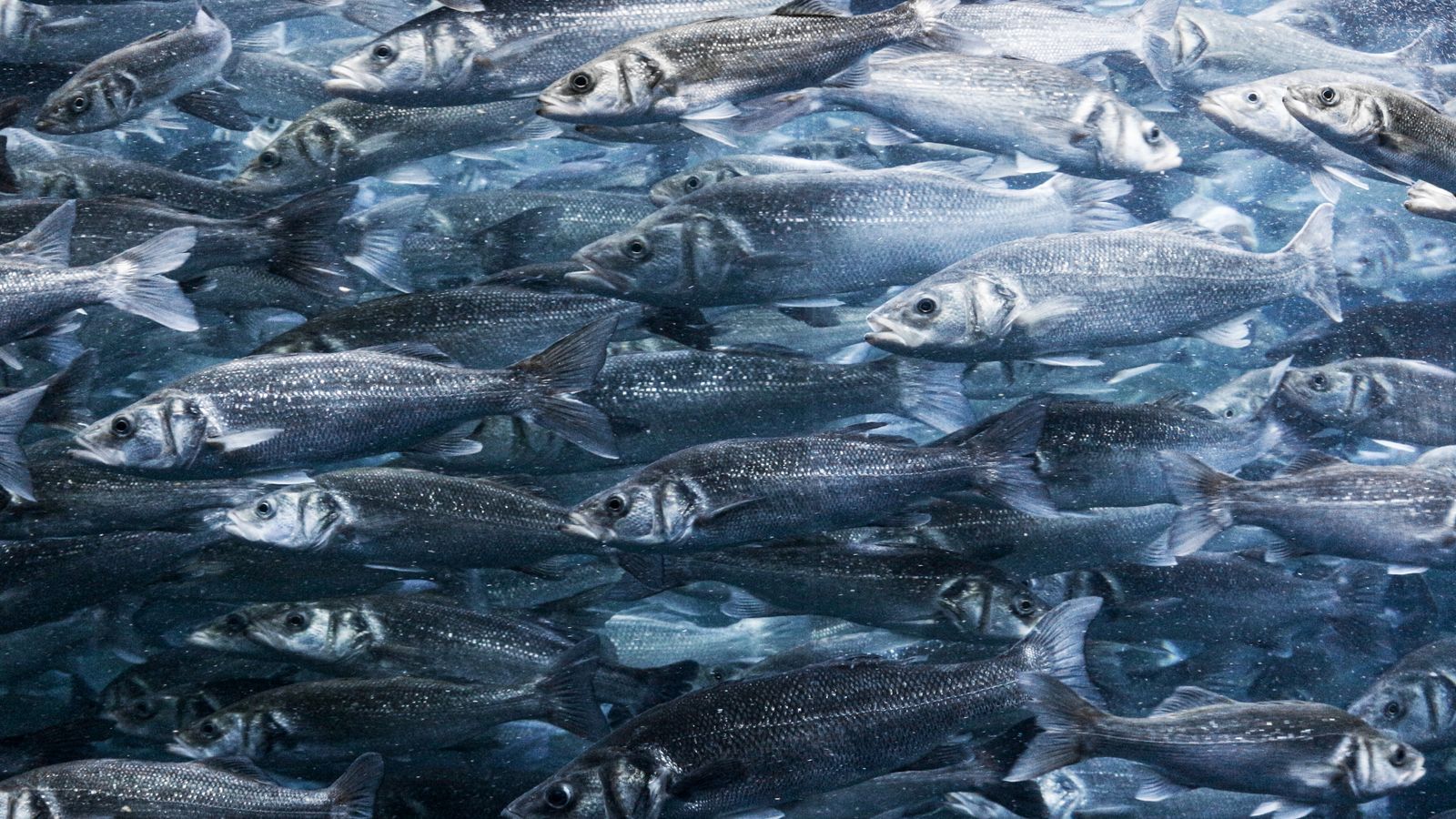
"When I was a kid, we'd catch a flounder that was brown on both sides, that's how dirty the water was," Santini said. "But the last 10 years, there's been a huge influx of big fish, particularly striped bass, who are coming in to chase the smaller bait fish like pogies, which are everywhere. And it's all because the water is so clean."
Charter captain Mike Delzingo, who has fished these waters for 34 years and runs Fishbucket Sportfishing, says the catch rates rival far-flung destinations.
"People think about Block Island and Cape Cod and Nantucket and Martha's Vineyard, but the fishing in the harbor is phenomenal," Delzingo said. "There are days where we'll catch 50 or 60 fish on a four-hour charter, right in the city."
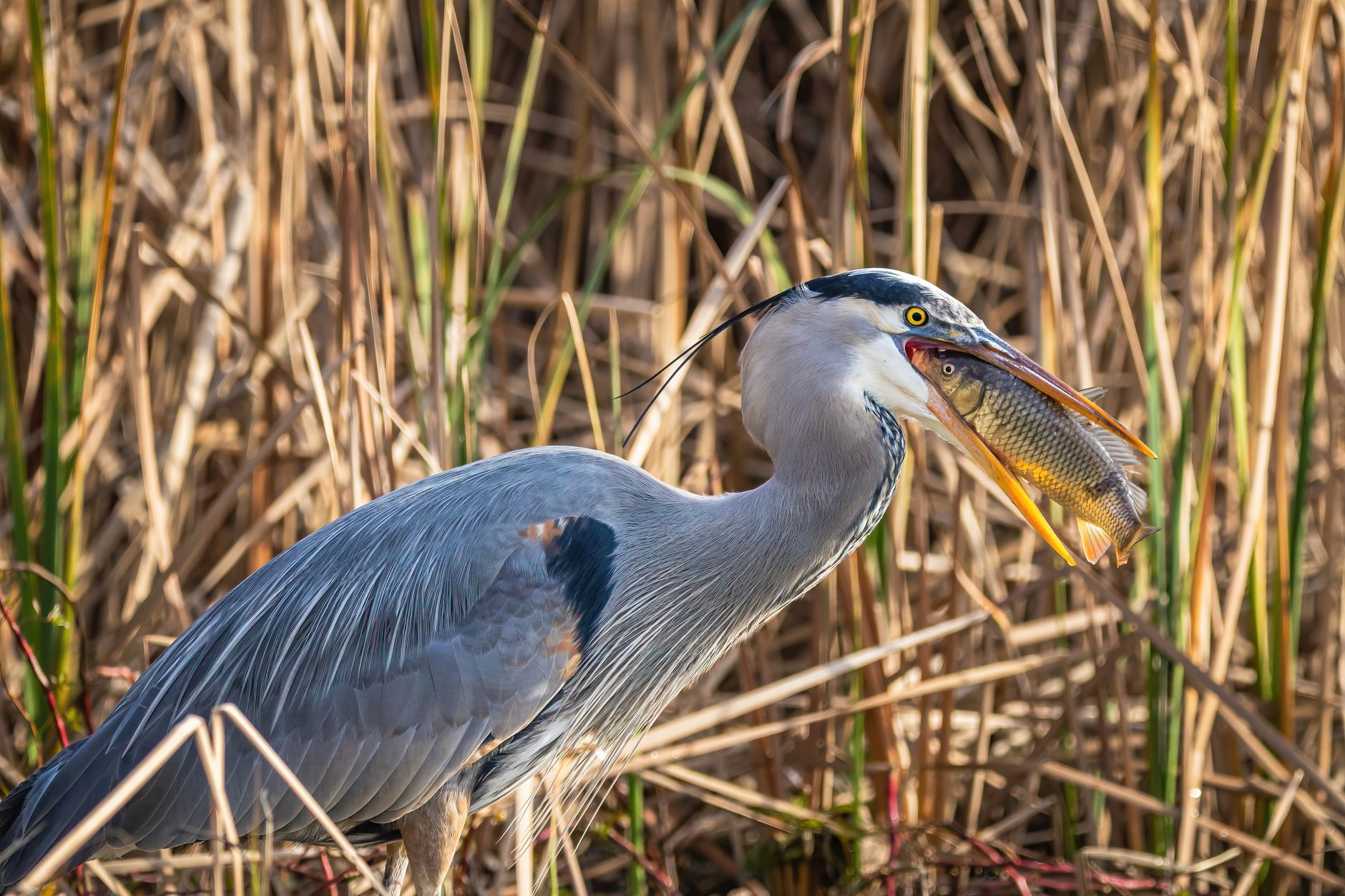
"The fishing here is as good as it is anywhere, right out of downtown Boston. You used to have to make a pilgrimage to fish. Now people are pulling 50-pound stripers with the city skyline in the background," Shaw said.
The comeback also opened the water to a new generation. John Hoffman runs the youth nonprofit The Fishing Academy, taking city children fishing on the harbor.
"It's so good now we catch over 1,000 striped bass a year," Hoffman said. "The harbor cleanup is a national success story, and when a kid catches their first striper, they have a huge smile on their face."
Those who oversaw the multi-billion-dollar cleanup still marvel at it. Stephen Estes-Smargiassi, interim executive director of the Massachusetts Water Resources Authority, recalls the state of the seabed.
"I'm not sure anybody thought that was plausible when we started this. The bottom of the harbor was an oily black mayonnaise of sewage," he said. "Now we have some of the cleanest beaches in the nation, and people can see concrete benefits from this enormous undertaking."
Northeastern University scientist Loretta Fernandez said the ecological tipping point came from relatively small water-quality gains.
"That's the reason the fish have been able to return," Fernandez said. "A small change like that is enough to have a large impact on what types of fish are able to be in the harbor."