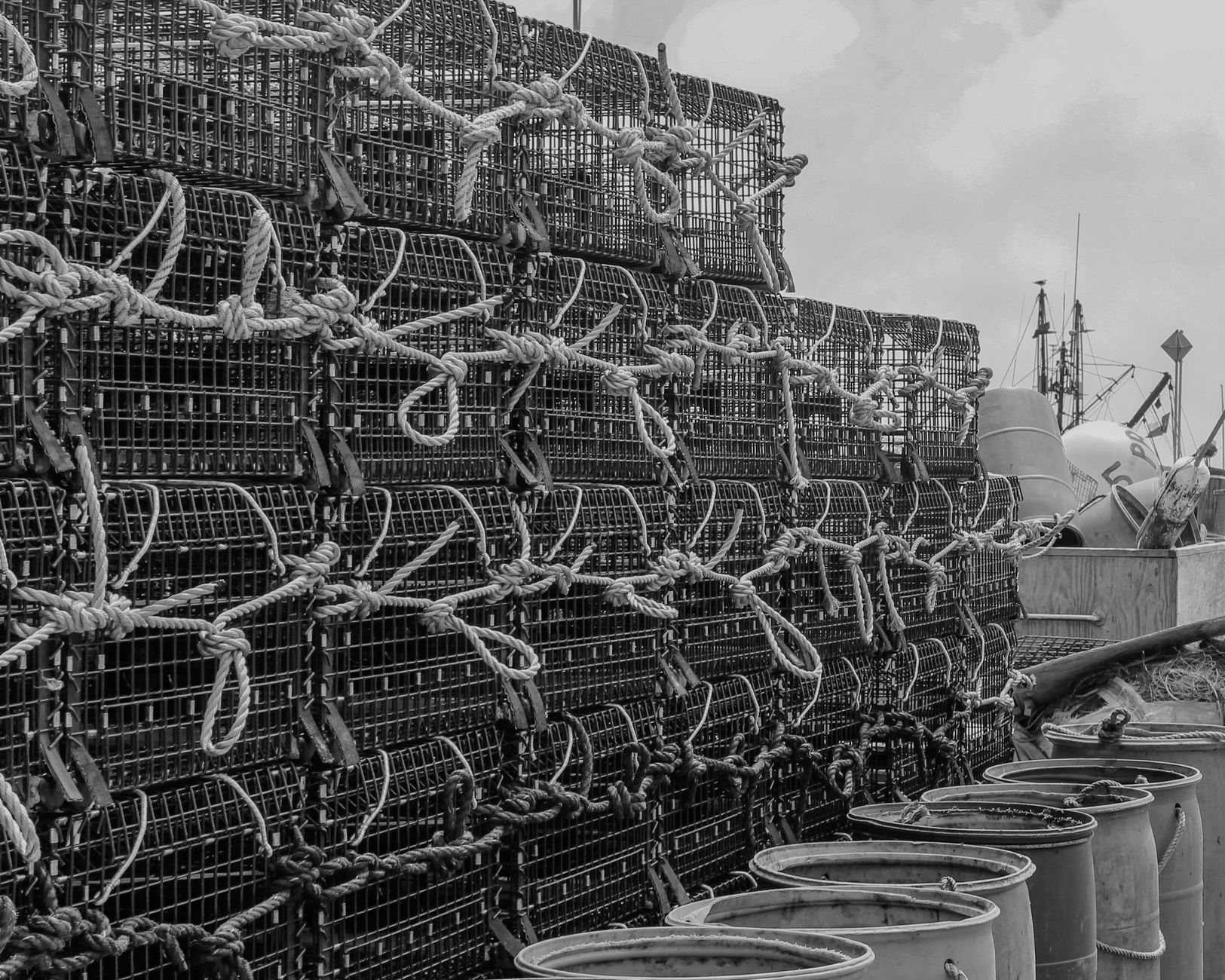
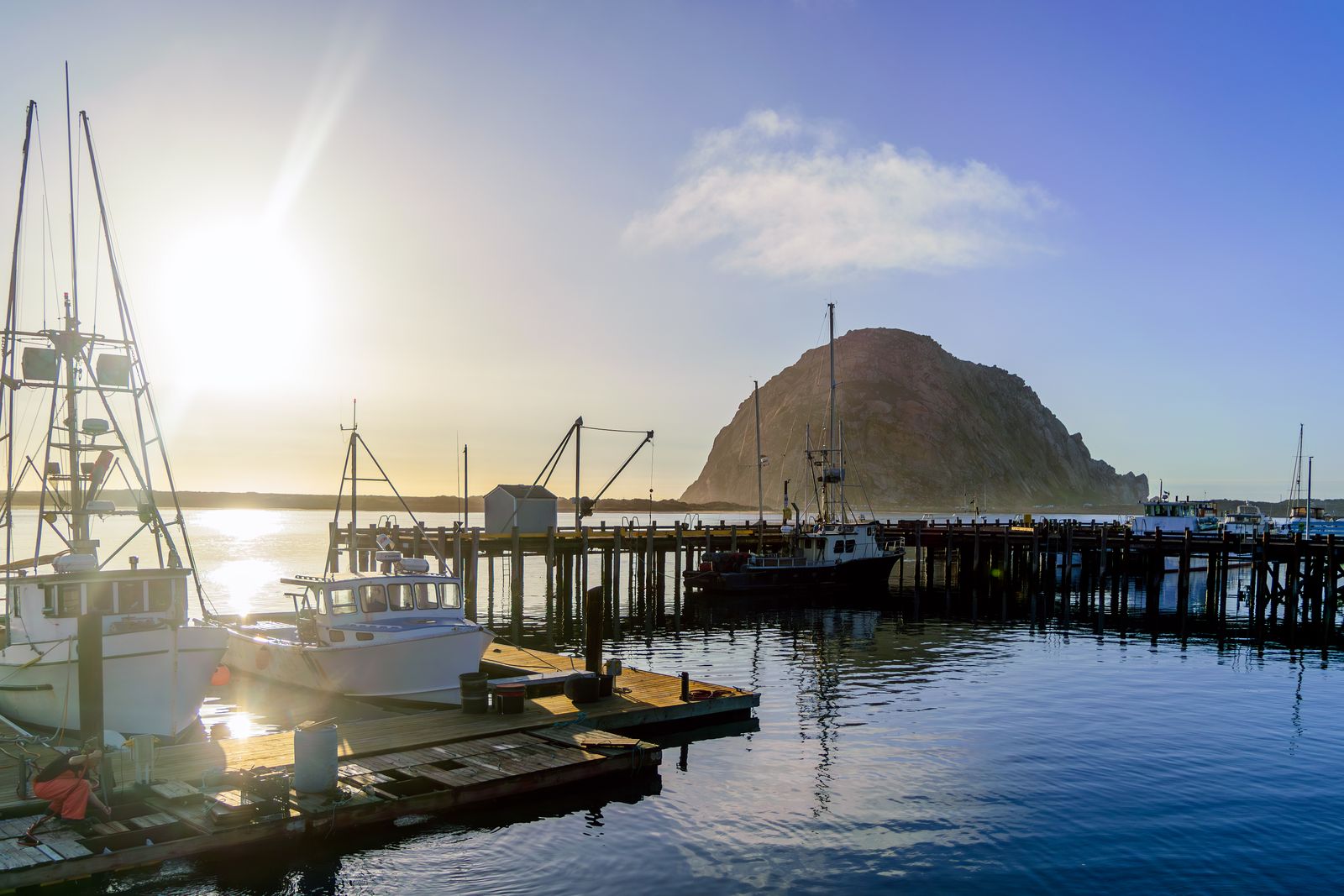
Crab boats working Oregon's ocean Dungeness fishery will soon carry electronic monitoring, after the Oregon Fish and Wildlife Commission signed off on a rules package in Salem on 14 August.
Three changes came out of that meeting. Electronic vessel monitoring becomes a requirement for the commercial ocean fishery. New criteria govern how experimental fishing gear permits are issued, which is how ropeless "pop-up" gear gets tested on the water. And a housekeeping amendment brings the surface gear rules into line with the guidance ODFW has already been circulating.
The pressure behind all this is whale gear. NOAA has tied seven humpback entanglements to Oregon crab gear across 2024 and 2025 - three in the first year, four in the second. A juvenile humpback stranded in November 2025 and was euthanised by responders, and that case pushed the Center for Biological Diversity, Oceana, the Natural Resources Defense Council and the American Cetacean Society to petition for tougher restrictions. The commission turned the petition down in February, directing staff to continue with the risk-reduction plan and rulemakings already in motion.
What monitoring replaces is a paper system the agency concedes has gaps. Crabbers have submitted paper logbooks since 2008, recording where pots went, how long they soaked, what came up, what bait was used and what gear went missing. Cathleen Vestfals, who leads the Commercial Crab Project, laid out the problem at an ODFW meeting in Astoria in May.
"We receive the logbooks sometimes in a timely manner but sometimes we don't receive logbooks from fishermen," she said. "There's also the issue of data quality; some logbooks are more complete than others, some logbooks are missing fishing locations or soak time and numbers of lost pots."
The fleet is not uniformly hostile. Leo Travenshek, who crabs in California as well and already uses a similar system there, was blunt about the benefit.
"I like the electronic monitoring, it keeps people honest, it makes things easier," he said.
What frustrates him is the follow-through, and he has argued Oregon ought to be paying staff to work the data it gathers.
The sharper fight this year has been over the calendar. Through temporary rulemaking, ODFW shifted its late-season measures - a 40-fathom depth cap, a 20 percent cut to pot limits and special buoy tags - from 1 May to 1 April.
"While our current pot limit reduction and depth restriction has reduced the number of vertical lines in the water after 1 May, newer research shows that starting these measures in April will do even more to reduce entanglement risk," said Justin Ainsworth, ODFW's Marine Resources Program Manager. "Whale distribution in Oregon waters varies each year, but limiting commercial Dungeness crab fishing to shallower waters in April will help reduce overlap with crab gear."
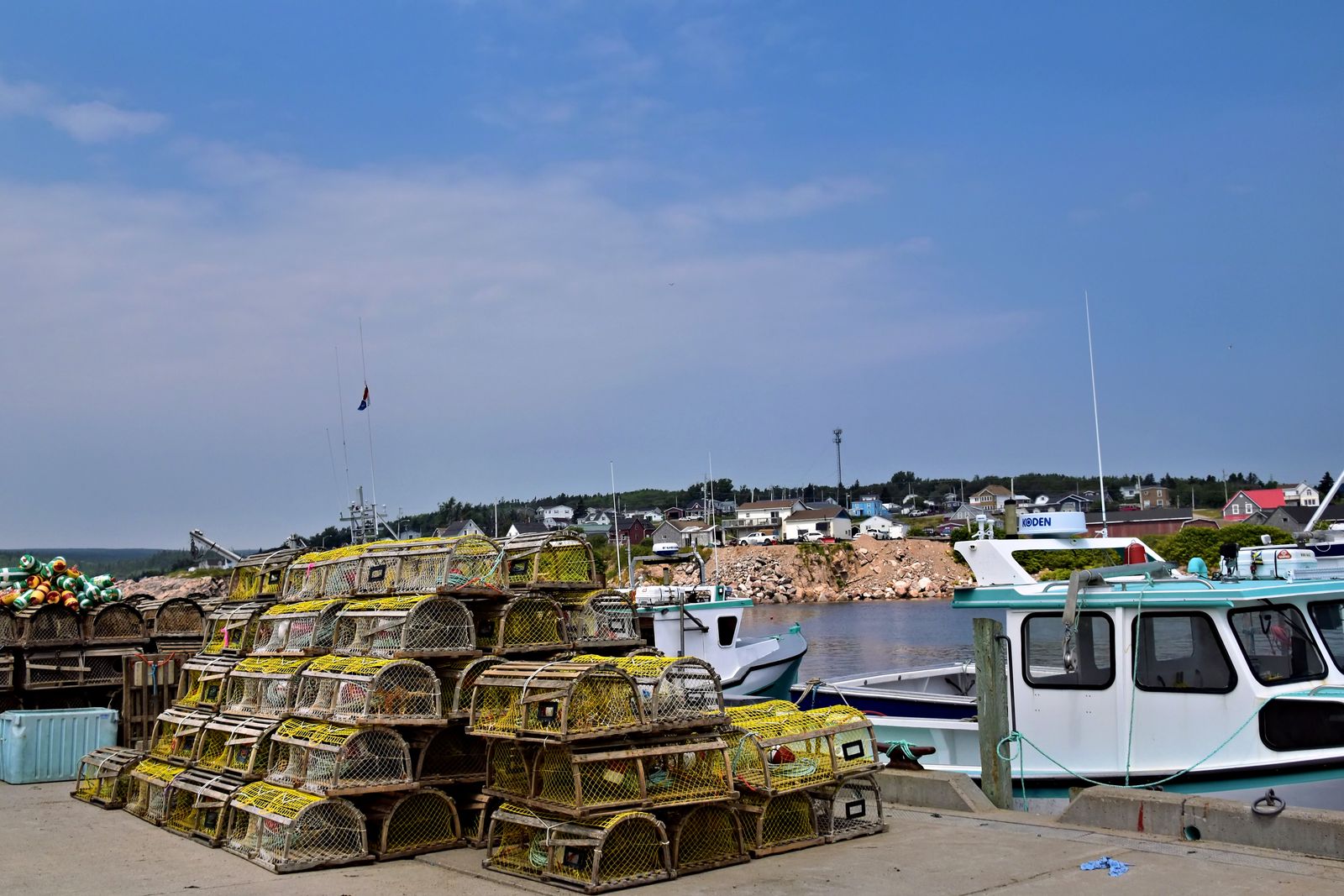
Coastal meetings drew heavy criticism of that date. Crabbers described March and early April as a stretch of hard currents and rough weather, particularly on the south coast, and said pushing smaller vessels into shallower water on fewer pots raised genuine safety issues. Some proposed 15 April instead; others wanted the trigger tied to a set number of days after the opener rather than a fixed date. A recurring complaint was that the change arrived without warning.
Staff replied that possible April measures had been raised in advisory committee sessions and industry notices through 2024 and 2025, and pointed to co-occurrence modelling showing whale and fishery overlap peaking in April. They also acknowledged a point in the fleet's favour: no confirmed entanglement so far has carried an Oregon late-season tag, implying the incidents did not come from the May-August period the original rules targeted.
For the groups that petitioned, the direction of travel is the right one.
"Whales in Oregon have had a rough couple years with several entanglements, and the state is doing the right thing by taking more precautions with crab fishing gear," said Ben Grundy, an oceans campaigner at the Center for Biological Diversity. "To keep endangered whales safe, we have to look at the reality of where they're feeding in a changing climate, not just rely on old patterns."
A federal deadline shapes the rest. Brittany Harrison, ODFW's license management project leader, has been walking the industry through a draft conservation plan supporting a 15-year incidental take permit under the Endangered Species Act, covering two humpback population segments plus blue and fin whales. Leatherback turtles have been cut from the current draft. The department intends to file the plan and application before the year is out.