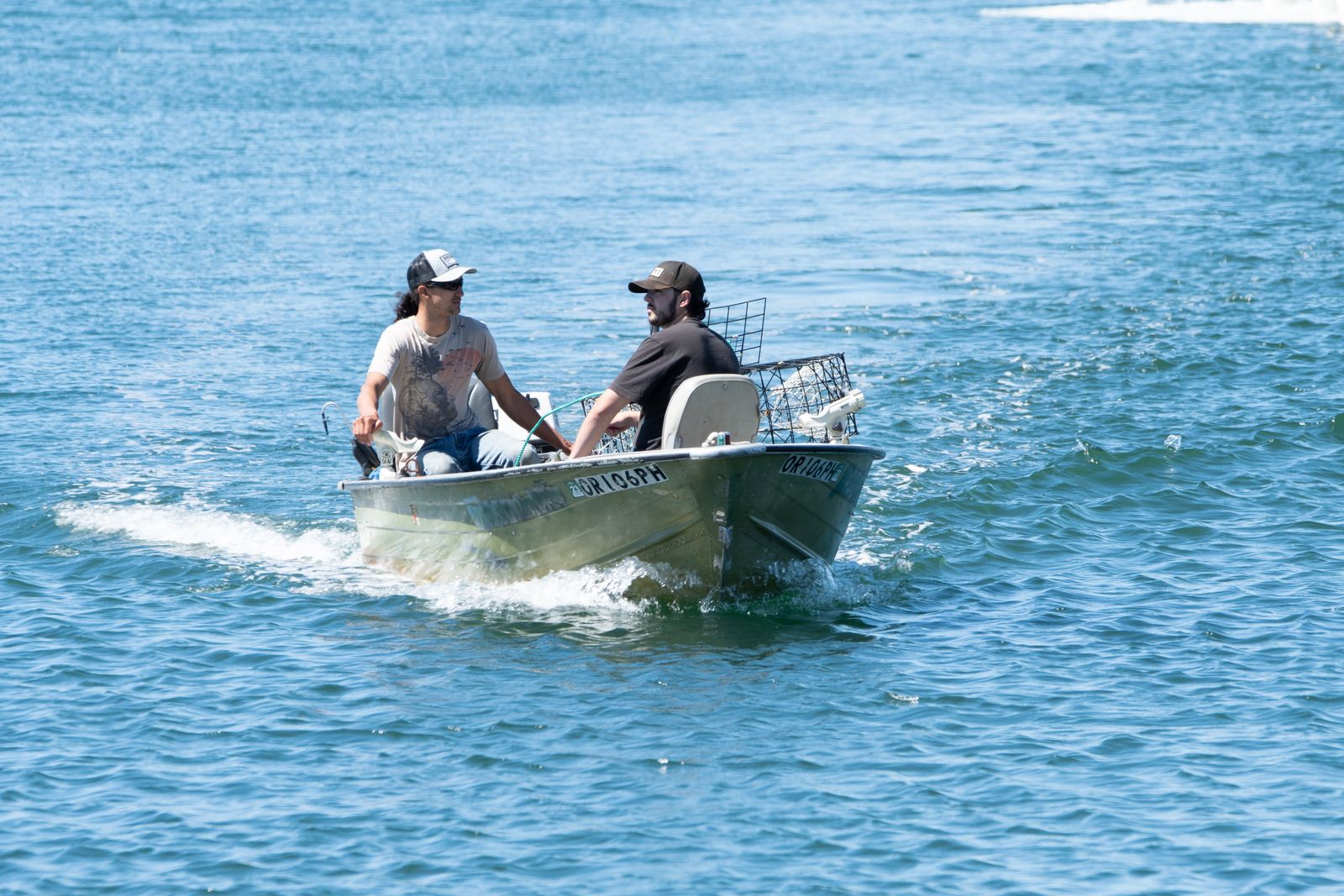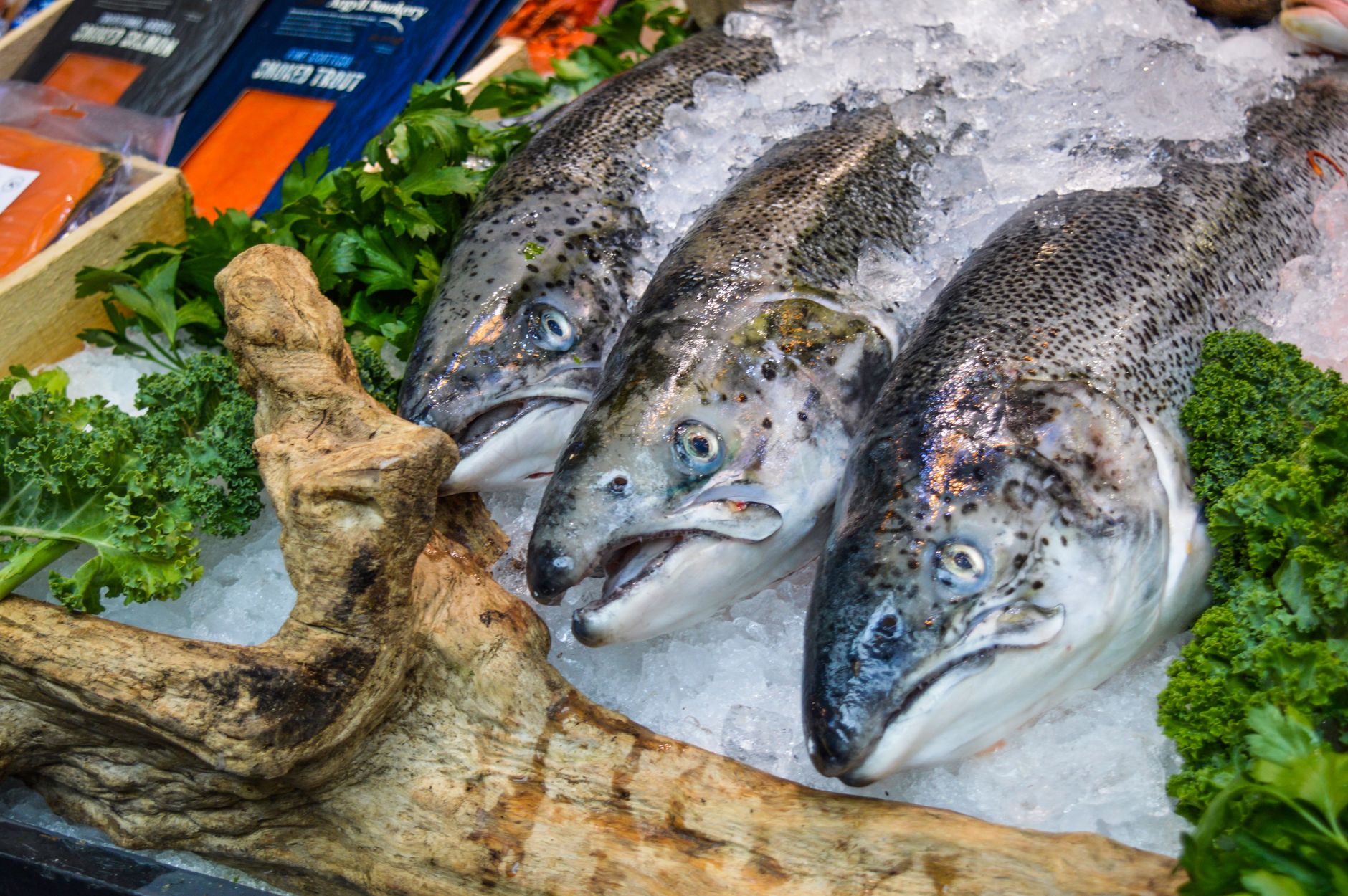
Sockeye season is peaking in Alaska's Cook Inlet, and some boats working its treacherous tidal waters have taken on a crew member that never eats, sleeps or complains about the swell. It is called Poseidon S, a tall metal box bolted to the deck, and it is built to do one thing: kill a salmon faster and more humanely than any deckhand can.
Crews hand-feed each fish into the machine. Inside, computer vision identifies the species, finds a half-inch spot on the skull, drives a spike through the hindbrain and severs the gills. The whole cycle takes about seven seconds, and the fish is on ice before it can thrash. Traditional handling often leaves fish to asphyxiate slowly on deck.
"We're basically doing the equivalent of surgery on these fish in a very difficult maritime environment," said Saif Khawaja, founder of Shinkei Systems, the El Segundo, California startup behind the robot.
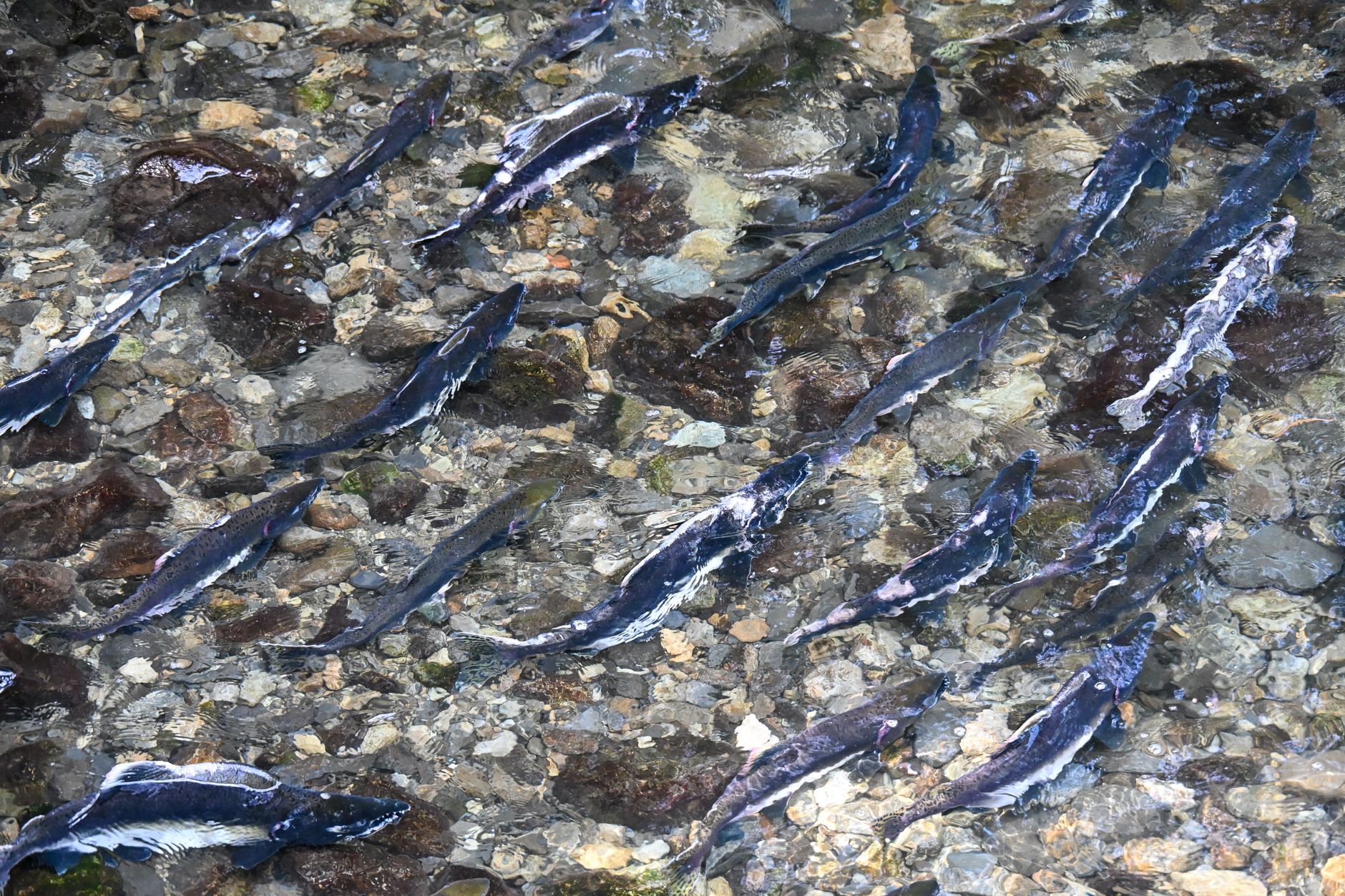
The Poseidon reproduces ike jime and shinkei jime, the exacting Japanese slaughter methods long demanded by top sushi counters in Tokyo, Los Angeles and New York. Spiking the brain and destroying the spinal cord stops the stress response that degrades a fish from the moment it leaves the water - the same reason chefs have paid a premium for hand-killed fish for decades.
The welfare case is not just marketing. "In some species, it can take up to 15 minutes for fish to die in air or ice water, and that's a really long time to suffer," said fish-welfare researcher Lynne Sneddon. Andrew Tsui, president of the Ike Jime Federation, frames the same technique in quality terms: "The core principle is that the fish cannot stress, primarily because that stress will have really serious, negative consequences on the eating quality of that fish over time."
Shinkei's business model is unusual. It installs the Poseidon on partner boats for free and pays fishermen a premium for their catch. In return it takes full possession of the fish, keeps it off the open market, and processes and sells it under its own consumer brand, Seremoni. Khawaja, who once worked as a deckhand, says the aim is not to replace crews. "This is an efficiency net gain for the whole supply chain," he said. "A lot of these jobs are dangerous. I worked as a deckhand and almost died. I don't want this to be a wholly automated supply chain, but to take away dangerous jobs and let the skilled labor forge their new environment."
The people buying the fish are, for now, the loudest endorsement. Blue Hill chef Dan Barber, sent a sample of Seremoni's black cod, admitted he came in doubtful. "I was very skeptical at first, but I tasted it with the team, and it was so delicious - really stunning," he said. Shimpei Shinohara, executive chef of Sushi Zo in downtown Los Angeles, put it in sourcing terms: "We source from the best traditional Japanese seafood purveyors - it has been rare to see a similar level of quality with fish handled locally."
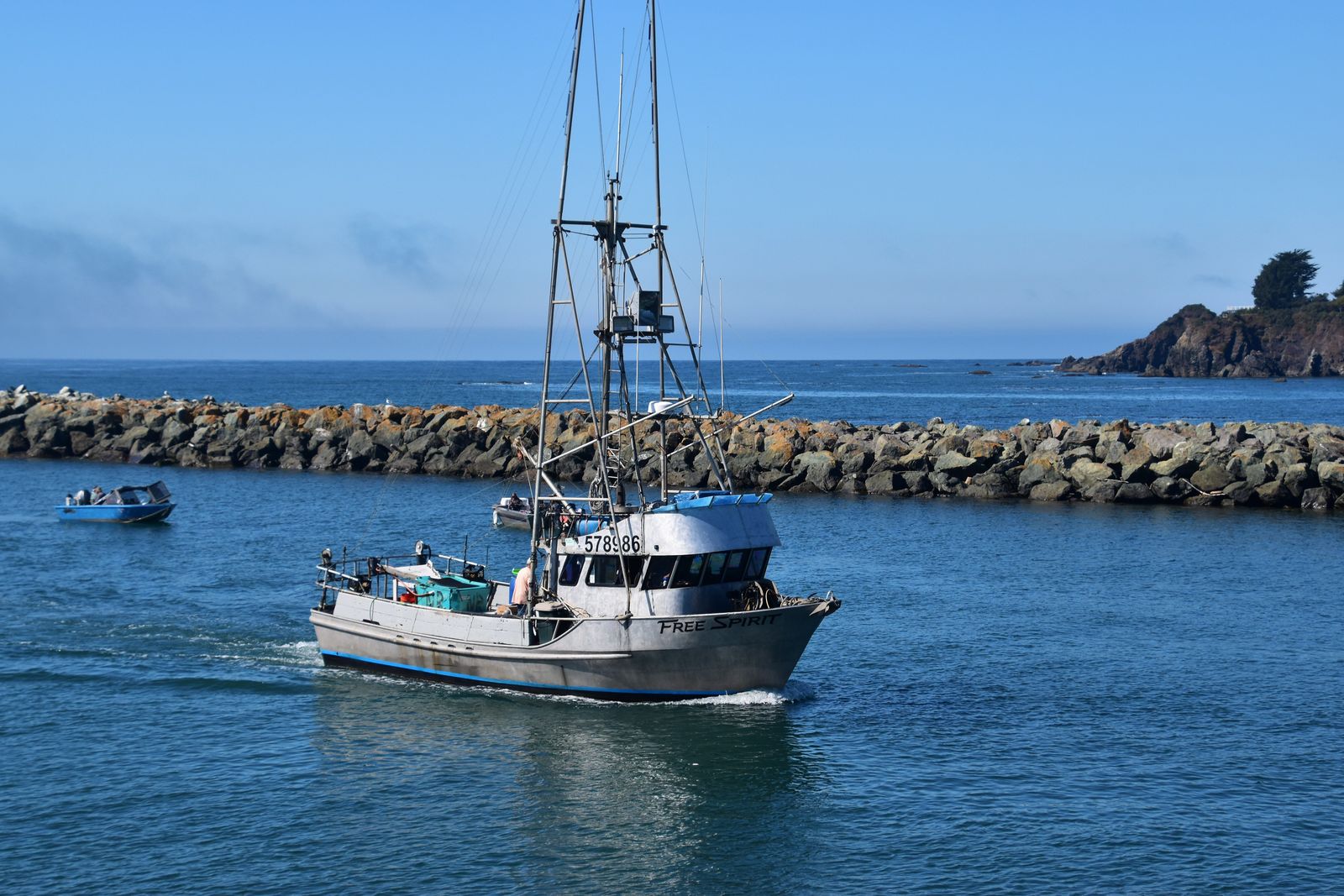
Farmers see the same edge. Michael Fabbro, chief executive of New York's LocalCoho, which raises coho in land-based tanks, called the machine a differentiator on both welfare and quality: "There are the ethical reasons why we focus on good harvest practices and we're always looking to further improve quality. The machine is taking it to a whole other level."
Fish handled this way keep for roughly a week rather than a day or two, Shinkei says, and the approach was enough to land the company a spot on Fast Company's Most Innovative Companies list for 2026. Whether robot butchers spread beyond a handful of Cook Inlet boats will come down to economics - but for the salmon fed into a Poseidon, the difference is measured in seconds instead of minutes.