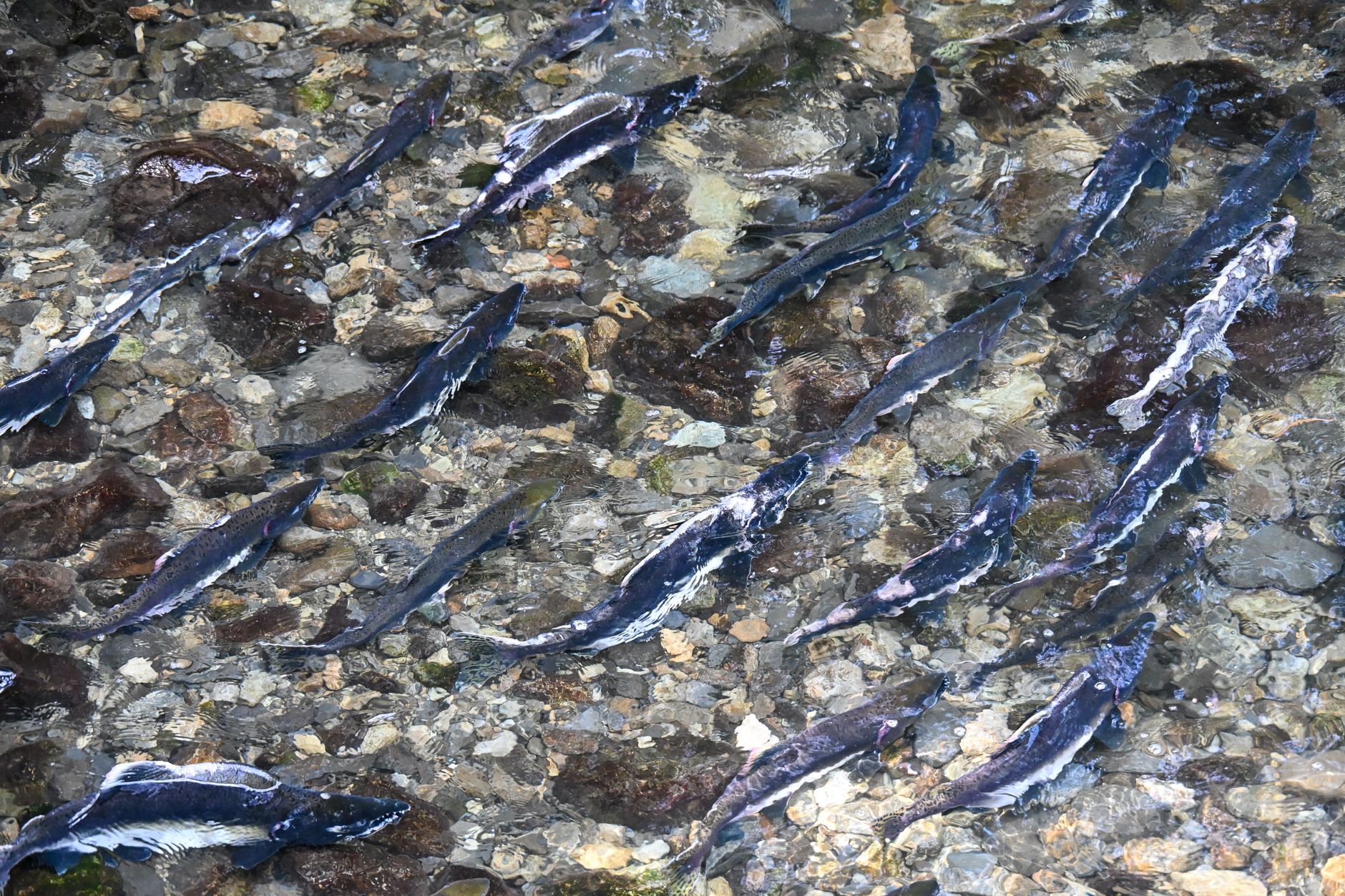
For years the disappearance of the Yukon River's king salmon has been pinned on everything from riverbank predators to the trawl nets of the Bering Sea. A new federal study points somewhere else: the open ocean, and the marine heatwave that cooked it between 2016 and 2020.
The research, published in the journal Ecological Applications and summarised by NOAA Fisheries in July, reconstructs the full life cycle of Yukon Chinook using decades of juvenile surveys, adult counts and bycatch records held by the National Oceanic and Atmospheric Administration, the Alaska Department of Fish and Game and Fisheries and Oceans Canada. It weighed four suspects behind the collapse: weak juvenile production, natural mortality later in life, directed harvest, and bycatch in the pollock fishery.
The model landed on the ocean. Beginning around 2016, deaths among older juveniles and returning adults climbed sharply — exactly when the Bering Sea marine heatwave was at its peak. Runs that once numbered in the hundreds of thousands cratered, and the 2022 return was the lowest ever recorded.
"Not surprisingly, we found evidence to suggest that impacts operating in the early life stages have likely contributed to declines in run sizes over the past two decades, which is consistent with previous research," said Dr. Lukas DeFilippo, the NOAA Alaska Fisheries Science Center researcher who led the study.
What was new was where the dying had moved. The authors described "an apparent shift in the critical life history stages and processes" — the bottleneck on the population had migrated from the river of a young fish's first year to the sea of its last ones. Warmer water drives up a salmon's metabolic demand while thinning out prey such as capelin, and the heat has been tied to outbreaks of the parasite Ichthyophonus. Even after the heatwave eased, mortality had not fallen back to earlier levels by 2023.
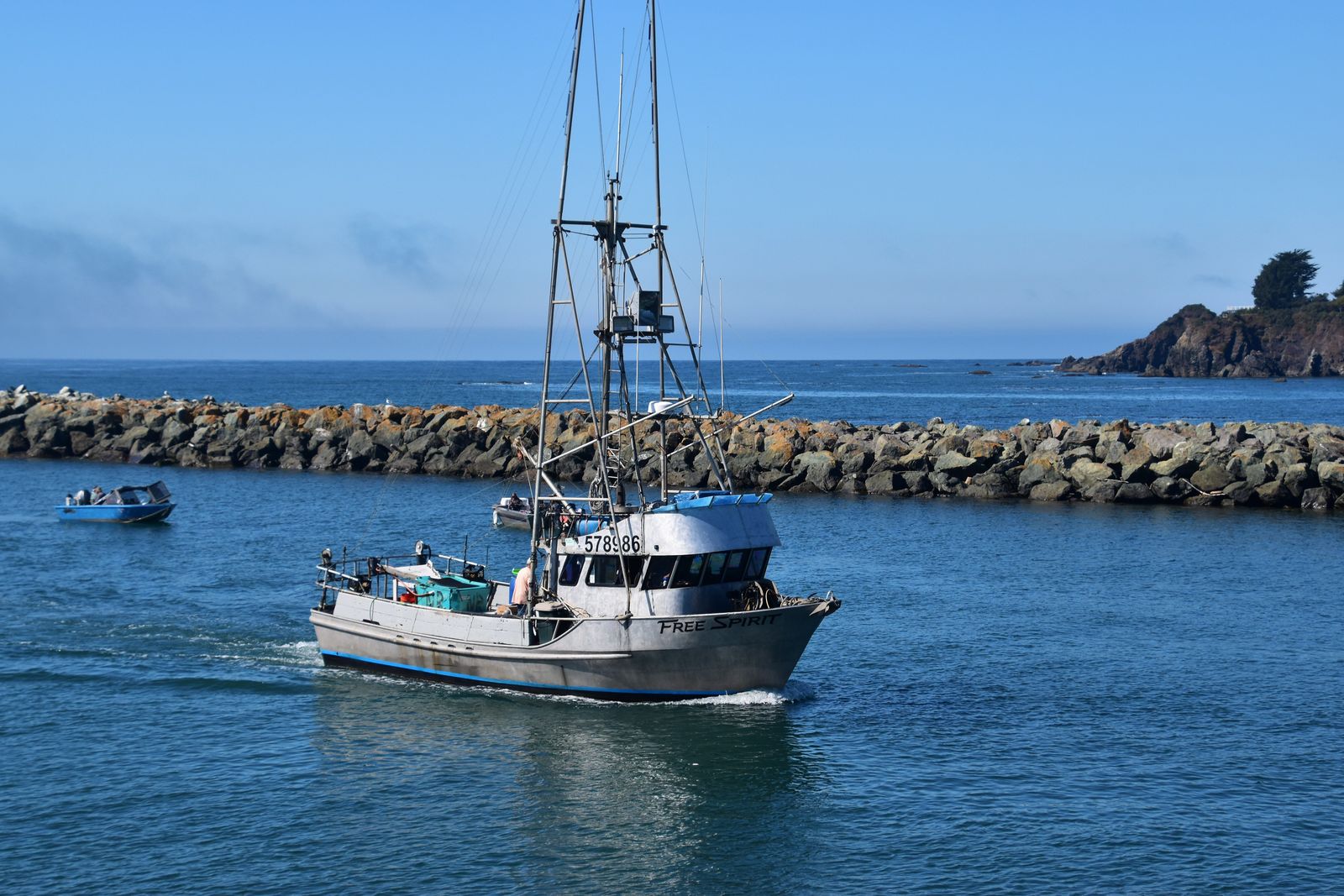
That runs straight into one of Alaska's most bitter fisheries fights. Subsistence and tribal leaders across Western Alaska have spent years blaming the Bering Sea pollock trawl fleet for scooping up salmon as bycatch, and in February a coalition of tribal organisations pressed the North Pacific Fishery Management Council for a hard cap. "The pollock industry is incapable of self-managing this issue on its own," wrote leaders including Vivian Korthuis, chief executive of the Association of Village Council Presidents, in a case aimed at chum bycatch. The council rejected a fishery-wide hard cap, opting instead for a partial "corridor" closure that trips only if a new limit is exceeded.
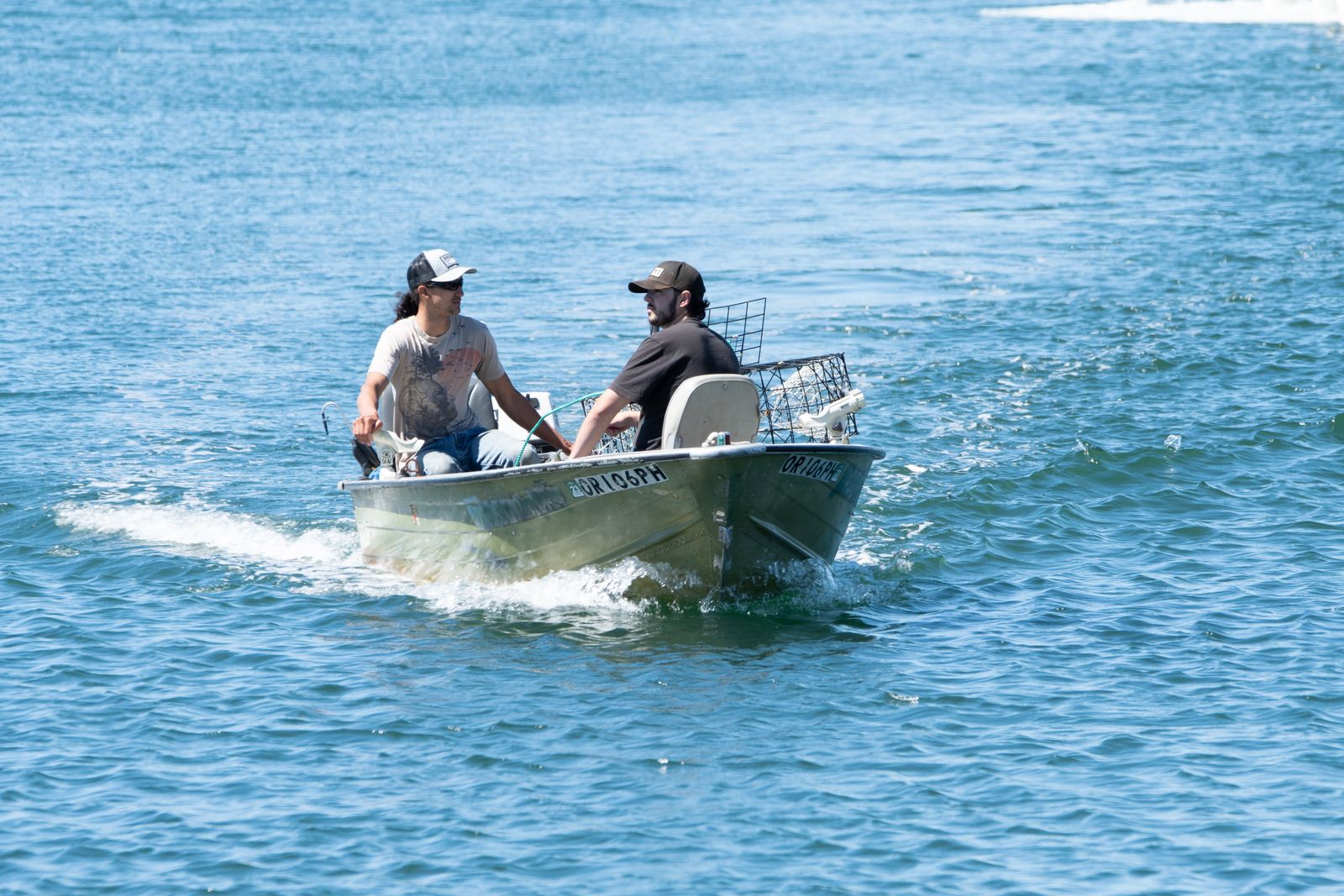
The human cost is not in dispute. Yukon king fishing has been closed to subsistence users for years — the United States and Canada signed a seven-year moratorium in 2024 — in a region where the fish is food, income and identity. "Over the last six years, closures have cost our region an estimated $27 million in direct income," Krystal Lapp, a policy analyst with the Tanana Chiefs Conference, told the council. "Salmon is our identity," the conference's chief, Brian Ridley, told Alaska lawmakers weighing a ban on bottom trawling in state waters.
For the scientists, the uncomfortable implication is that shutting fisheries may not be enough to bring the kings back if the ocean itself is the problem. Co-author Dr. Kathrine Howard cast the model as a tool rather than a verdict: "A model like this is a big step towards promoting research on the factors affecting salmon productivity across their life cycles, which was recommended by the recently convened Alaska Salmon Research Task Force."
The study closes on a warning rather than a remedy. "Given that marine heatwaves are expected to become more frequent and severe with continued warming," the authors wrote, "similar rises in mortality — and concomitant limitation of productivity and recovery potential — as described here could become increasingly common in the future."