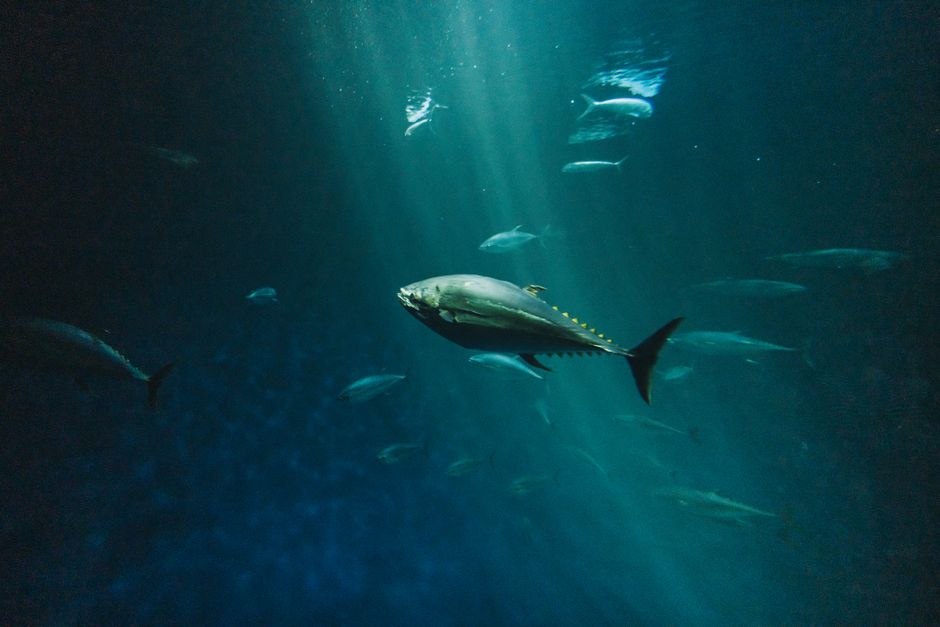
There is a little more slack in the Atlantic bluefin rules this summer. A retention-limit adjustment from NOAA Fisheries, published at the end of May, lifted the private-boat angling-category daily limit to two fish from one, effective June 1 through the end of 2026. The trophy category — a single giant over 73 inches per vessel each year — came back online January 1, and the angling category is working against a baseline quota of 1,316.14 metric tons.
It is a modest easing in a fishery that abruptly closed a year ago. NOAA shut the recreational bluefin season in August 2025 after anglers tore through the quota during an extraordinary run of school fish from New Jersey to southern New England. The overrun was not new: recreational catch had topped the angling-category quota by at least half in 2024, and tighter 2025 limits could not contain another big bite.
The harder question is why the quota sits where it does. Bluefin migrate across the whole ocean — a fish hooked off Montauk might spend winter near Spain — so the catch is divided internationally by ICCAT, a 55-nation commission that hands each country a share of the total allowable catch. A surprise season of plentiful fish buys no extra room.
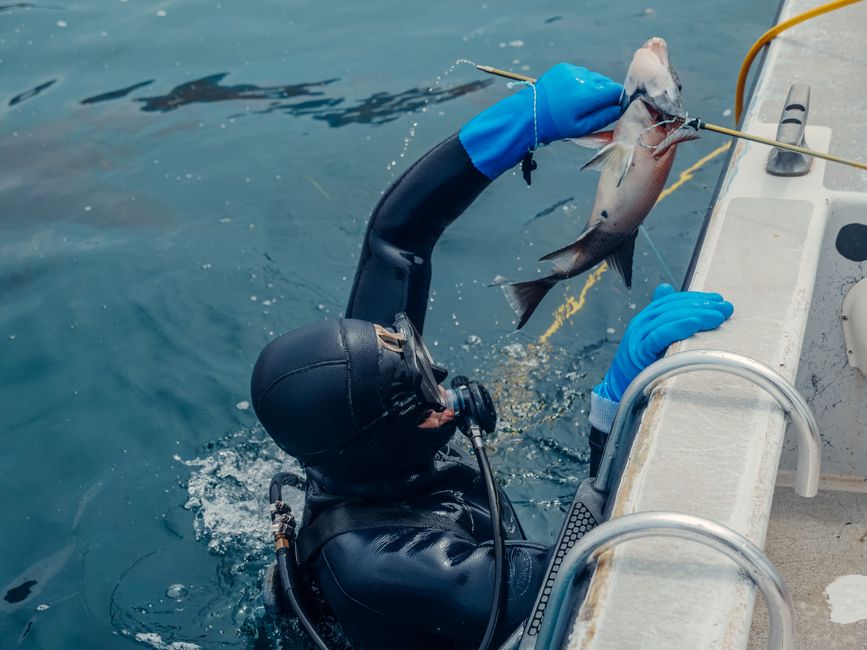
The research now unsettling those figures has been accumulating for three decades. In the mid-1990s, Stanford's Dr. Barbara Block started fitting bluefin with archival tags, many on fish that recreational anglers caught and released. When the tags came back, they showed western fish ranging across the Atlantic and mixing with Mediterranean stock far more than assessments allowed for — so U.S. restraint alone was never going to be enough.
Dr. Molly Lutcavage of the Large Pelagics Research Center chased a separate mystery: the spawning grounds. Models had assumed western bluefin bred only in the Gulf of Mexico until she argued, in 1999, that they might also spawn in the central and northwest Atlantic. The claim drew skepticism; the data kept backing it.
The larvae closed the case. In 2016, NOAA's Dr. David Richardson and colleagues reported "unequivocal evidence" of spawning in the Slope Sea, between the shelf edge and the Gulf Stream, and found western fish reaching maturity younger than the models said. A January 2026 paper pulled together nearly seventy years of larval records.
"When we compiled data from many surveys, the consistency was remarkable," Richardson said. "When you sample the same area at the same time of year, you consistently find bluefin larvae."
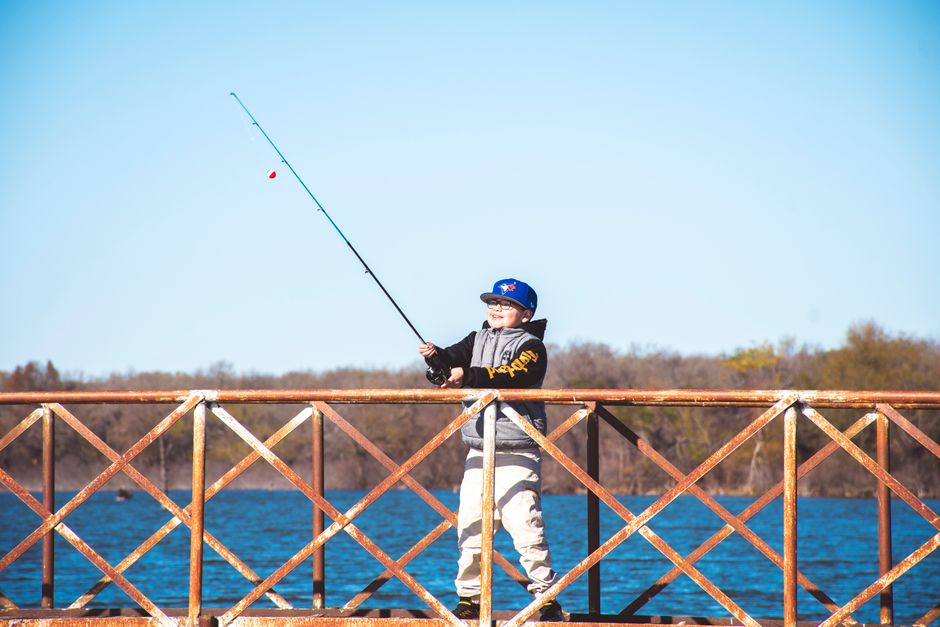
Dedicated 2025 surveys by NOAA's Northeast Fisheries Science Center found bluefin larvae in more than 60 percent of 70 net tows. Richardson expects the follow-up to jolt managers. "A prediction I have is that we're going to see much smaller fish spawn those larvae that we collected in the Slope Sea survey, including fish below the commercial size limit," he said — a sign the recreational-size class is breeding right offshore.
At the University of Maine, Dr. Walt Golet's team is taking a genetic census with Close-Kin Mark-Recapture, reading DNA from finlet clips to find family ties and estimate the true population. Those results flow into an ICCAT management-procedure review starting this year and a full stock assessment slated for 2026 — work that could rebuild the very numbers behind every closure notice.