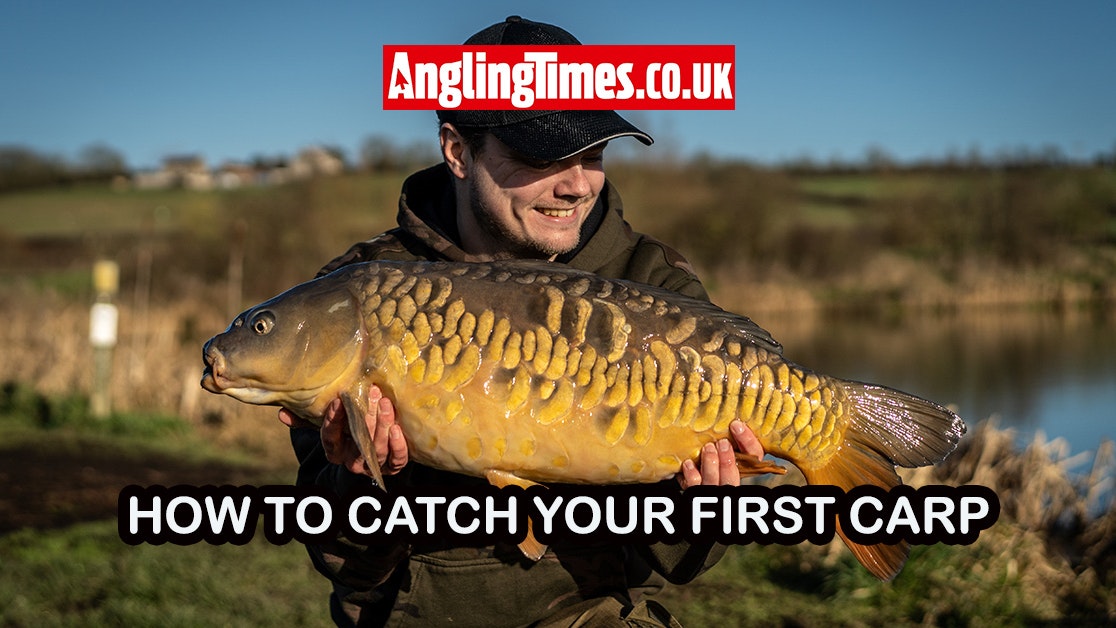
Catching your first carp marks an important achievement for aspiring anglers, and it often becomes a primary goal. Carp fishing has garnered immense popularity across the UK, emphasizing the importance of understanding the right techniques to successfully land these mighty fish.
"Carp are prized for their strength and fighting ability, and in many fisheries, they’re the biggest fish in the lake," said angler Jonathan Longden. Recalling his own first encounter with the species, he offers valuable insights for beginners keen to experience the thrill of carp fishing.
Float fishing is an ideal method for novices, particularly effective at shorter ranges or near the margins at commercial fisheries. Longden emphasized that the best time to target carp with a float is "later in the day, when the water light levels start to drop, encouraging fish to start feeding.” During this time, carp often migrate into shallower waters, having learned to associate this period with available bait.
To successfully set up for float fishing, Longden recommends using a small, loaded float anchored with float stops. He suggests a typical shotting pattern of three No. 8 droppers, but encourages anglers to adjust based on the float size. Suitable bait options include a bunch of maggots, sweetcorn, or hair-rigged pellets. To maximize chances, seasoned anglers often feed pellets or groundbait to imitate the familiar sights carp have come to expect.
"It’s important to plumb up accurately; presenting a bait an inch over depth is best as this will prevent line bites,” Longden noted. Novice anglers should also remember that they should only strike when their float moves quickly, as that indicates the carp has taken the bait.
For those seeking additional techniques, the method feeder technique stands out as a fantastic choice, requiring minimal gear while providing significant results. Longden articulated its effectiveness: "The method feeder allows you to target carp in various parts of your swim, making it one of the best ways to catch your first carp."
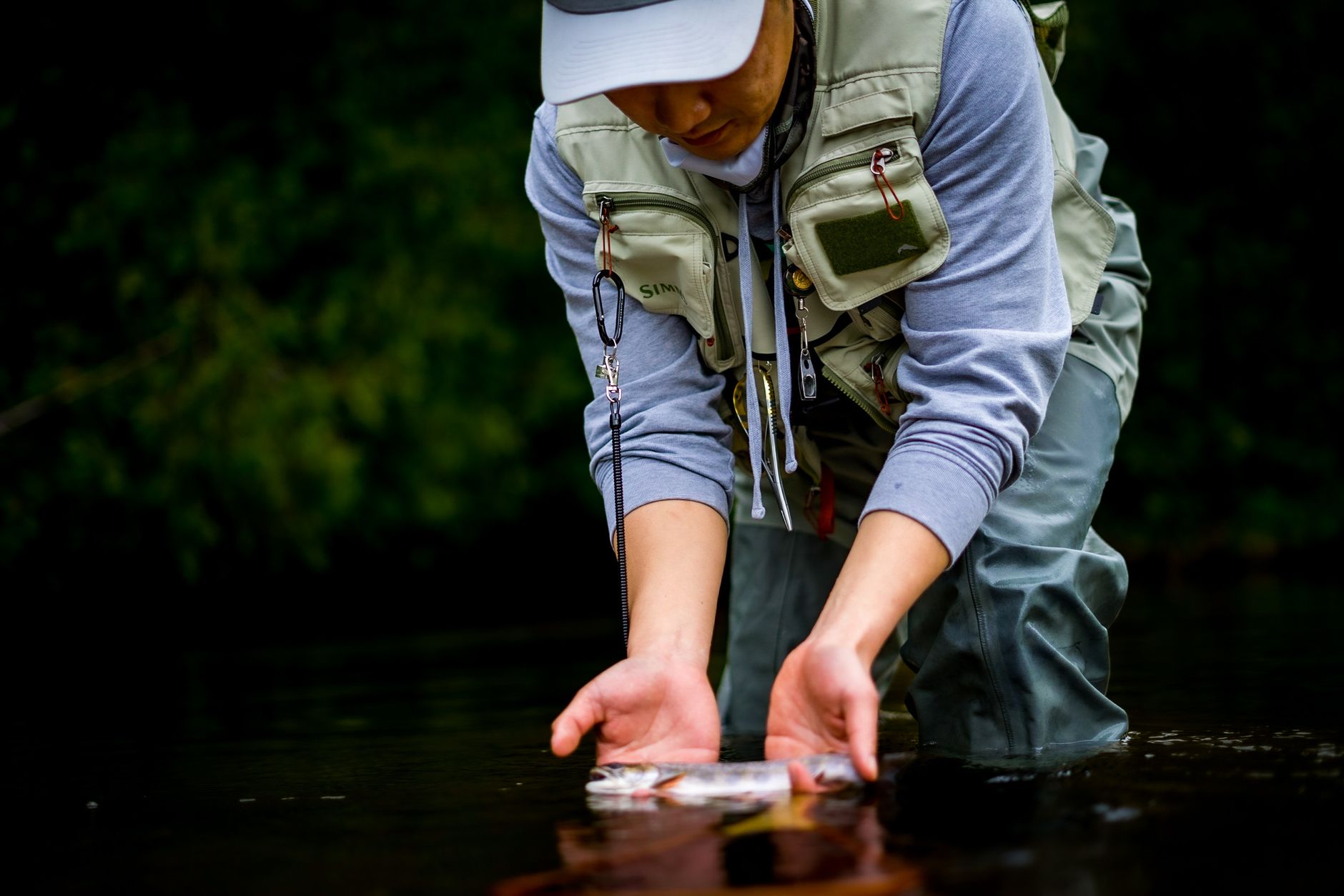
Next, anglers should mold their preferred groundbait or pellets around the feeder. It’s crucial that the hookbait is either buried within the mix or exposed, allowing for experimentation. The process of discovering whether the bait performs better buried or out in the open is part of the learning curve.
"The beauty of the method feeder is its versatility, it’s effective no matter where you choose to cast it," said Longden, indicating that casters can aim for various features such as islands, reedbeds, or the margins for improved success.
While these techniques can significantly increase your chances of landing your first carp, it’s essential to keep in mind that patience and perseverance are key in the realm of carp fishing. As Longden advises, it’s all about practice and honing your skills, which will undoubtedly lead to rewarding experiences.
To wrap up, budding anglers are encouraged to dive into the world of carp fishing with confidence. The path to catching your first carp may come with challenges, but with the right techniques and a bit of luck, it can lead to a memorable achievement in your fishing journey. Keep experimenting, refining your approach, and most importantly, enjoy the process of learning and connecting with nature.