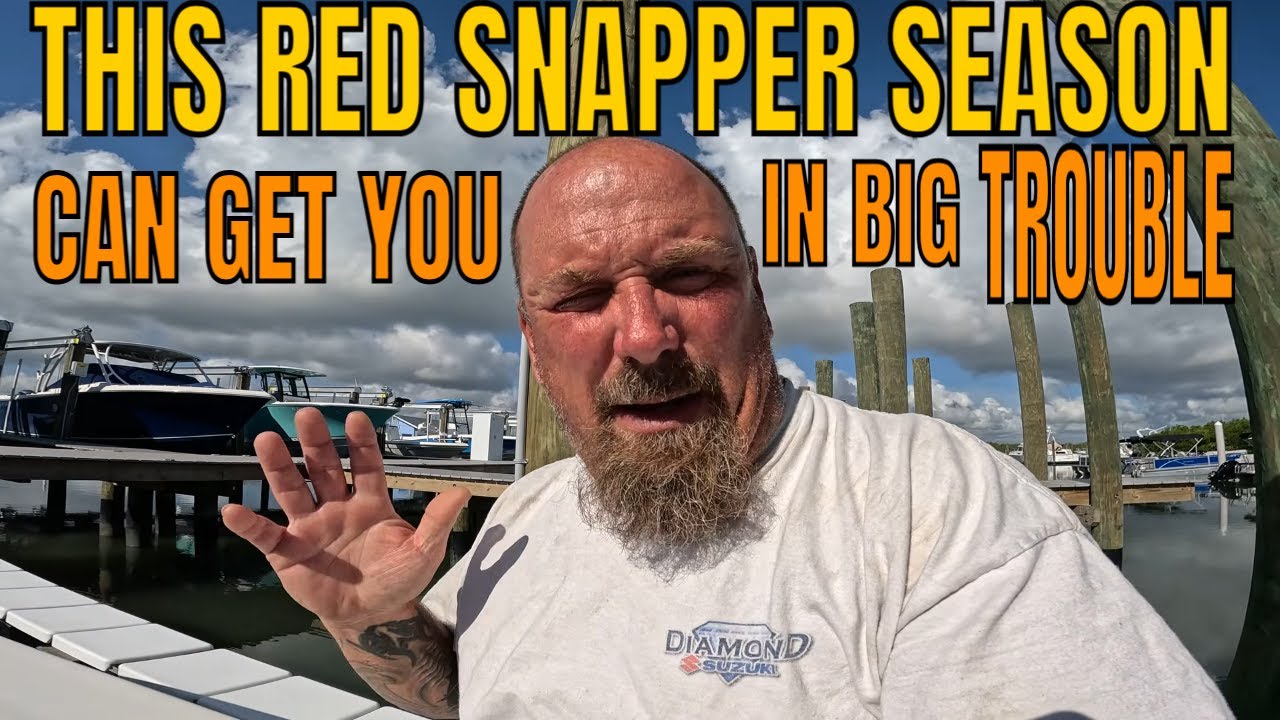
A Florida charter skipper has issued a blunt warning to anglers ahead of the new Atlantic recreational red snapper season: the rules this year are a paperwork minefield, and getting them wrong could land you in trouble.
In a video filmed at his marina the day before the season opened, Captain Mike D of Jetty Rock's Fishing and Outdoors walked viewers through a regulatory maze that has confused even seasoned operators.
"It's not as easy and not as cut and dry as y'all would think," he said. "If you aren't paying attention, looking up on FWC and looking at the paperwork, you can end up in trouble."
The headline change is a mandatory trip declaration. Anglers who want to keep a red snapper must register and declare each trip before leaving the dock — and once they do, a strict aggregate bag limit kicks in.
"If you don't declare the trip, you cannot keep a red snapper," Mike D explained. "And once you do declare a trip, you're only allowed 10 aggregate fish, period. That's it. 10 aggregate."
That aggregate limit is the part he fears will catch people out. Declare a red snapper trip, and a single red snapper counts as one of only 10 bottom fish you can keep all day — leaving room for just nine other fish of any species.
"You can't go out there, catch your one red snapper, then think you're going to keep nine lane snapper, five triggers, five vermilions, a grouper. Nope, can't do that if you declare your red snapper trip," he said. He believes the 10-fish cap even sweeps in pelagics such as king mackerel and cobia.
For charter operators, the burden is heavier still. For-hire captains and crew must sign up for a new free Atlantic for-hire reef registry, declare every red snapper trip, report all catches, and carry proof of registration on board. And in a detail that summed up the rollout for him, Mike D said the official reporting portal still read "coming soon" with the season just two days away.
He also hit a bureaucratic wall over his own permit. The registry demands a permit number, but his Atlantic permit didn't display one. "Over here on the Atlantic side, our permits don't have numbers," he said. He had to phone NOAA directly to obtain the number before he could complete his registration.
What clearly stung most was the rule that those who run the trips can't keep the prize. "Captains and crew cannot keep a red snapper. We pay for a license just like everybody else. We paid the money into the state just like everybody else. But since we're for-hire, we cannot keep red snapper on our trips. I don't agree with that. I think that's kind of BS, but it is what it is."

For all his frustration, the skipper was careful to frame the headaches as the price of access. "I'm just thankful that we have a season. I'm very grateful and thankful we actually get to go out and catch these fish finally," he said. "It's either that or we don't get a season. I'll take the season."
The advice for anyone planning to chase Atlantic red snapper this season is simple: check the current FWC and NOAA rules carefully, decide before you leave the dock whether you are declaring a red snapper trip, and make sure any required registration and paperwork is sorted in advance.