A new Connecticut state-record rainbow trout has fallen to about the least likely setup imaginable: a 4-foot-8-inch ultralight rod, an old Penn reel, 6-pound line and a live meal worm.
Richard Courtright, 20, of Bethel, was on the West Branch of the Farmington River in Riverton on April 11 when he spotted what he took for a rock. "I thought it was a log at first and then I saw its head, and I freaked out," he said. The trout he eventually landed weighed 16 pounds, 7.5 ounces and measured 31 inches — enough to beat a state record of 14 pounds, 10 ounces that had stood since 1998.
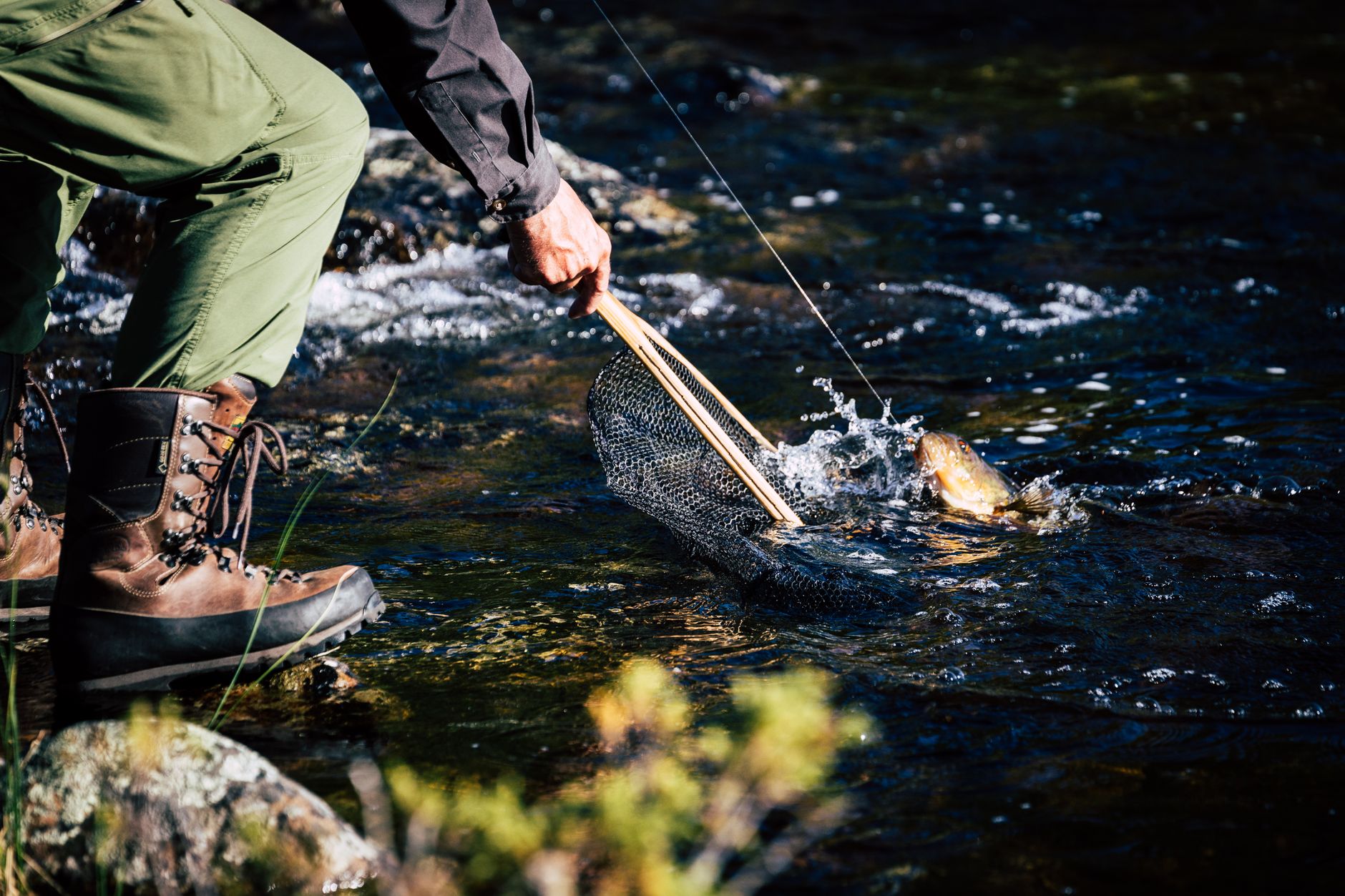
The rod was a gift from his uncle, the reel came from his father, and the bait was an afterthought. After running out of lures, Courtright fetched meal worms from his vehicle and let one drift naturally ahead of the fish. "I made a dozen casts without spooking him, then finally he hit my worm," he said. The trout fought close to 10 minutes without breaking the surface before he scooped it up: "I got it to circle close enough one time, and I 'long-armed' it with my net."

His father, Richard Courtright Sr., arrived in time to witness it and nothing more. "All I could do was watch. I couldn't even help him net the fish," he said. "Just to be with him and watch him catch the fish, it means a lot to me."
There is a hatchery twist to the story. Matt Devine, a fisheries biologist with the Connecticut Fisheries Division, said the rainbow had spent years at the Kensington State Fish Hatchery as a kind of feeding coach for Atlantic salmon. "Sometimes Atlantic salmon just need a little nudge to feed properly," Devine said. Such fish are fattened on pellets for years and then released near the end of their usefulness. "These fish reach the end of their potential," he said, "and then their job after that is to go make a memory for someone."
This particular trout had been stocked into the river just one day before Courtright caught it. The record is official regardless — but the detail explains how a fish that heavy turned up in water where bank anglers were still casting. For one 20-year-old with borrowed gear, it became exactly the memory Devine described.