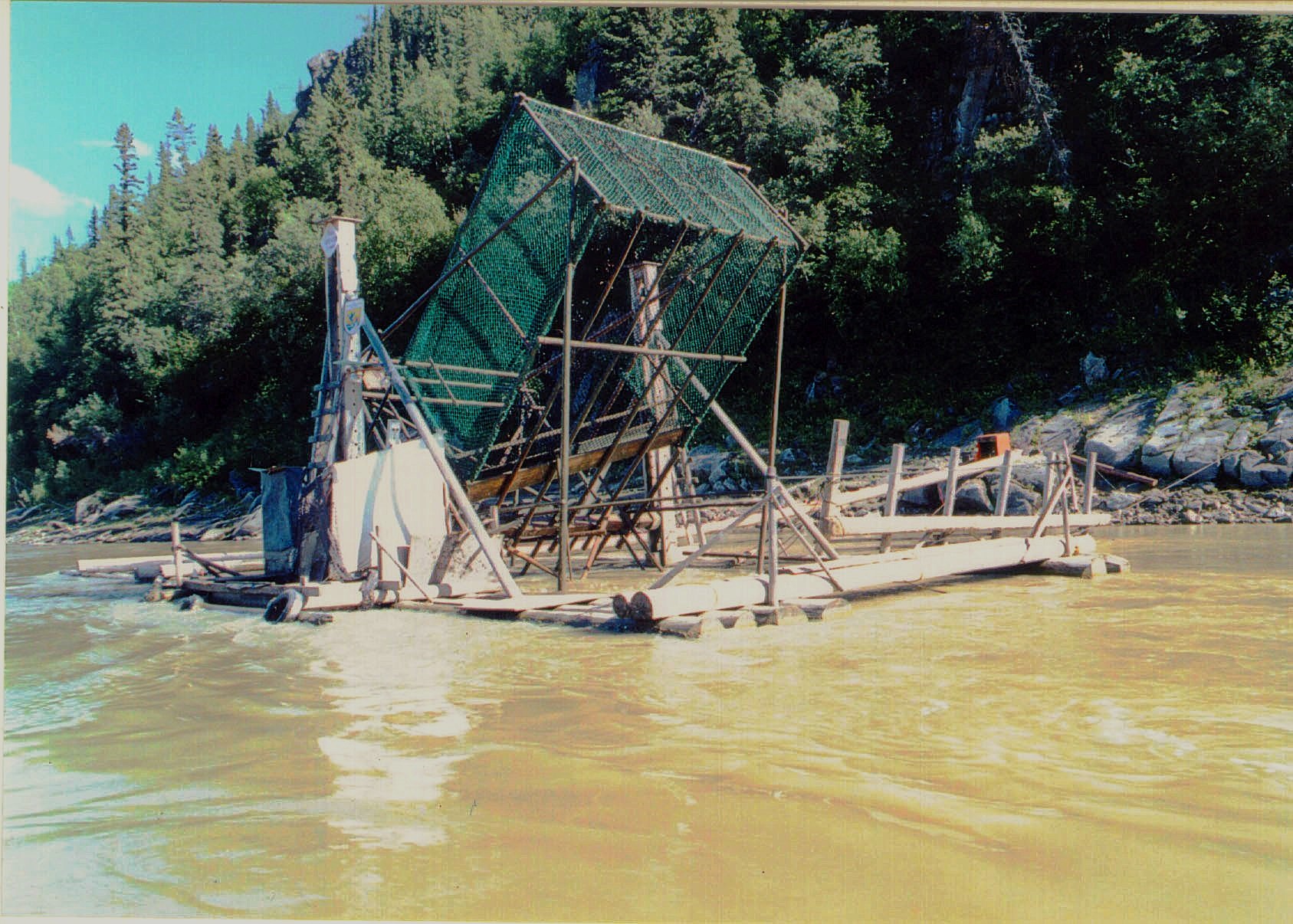
Smoke is rising again at Anvik, a village on the middle Yukon about 350 miles west of Anchorage. Its fishermen worked a traditional fishwheel this summer and took dozens of chinook, plus a far larger haul of chum and other salmon. It was enough to hang, to freeze, and to pass to elders.
It was also enough to reopen a fight, because Alaska has banned chinook harvest on the river outright.
"It's the first time I've seen the smokehouses smoking in five years," said Robert Walker, former chief of the Anvik Tribal Council. "I was just amazed. People are so happy."
Walker disclosed the harvest himself in July, on a public teleconference with fishery managers and local leaders. The moratorium he broke dates to 2024, when Alaska and Canada agreed a seven-year halt to chinook harvest along a river that runs more than 2,000 miles from northwest Canada to the Bering Sea.
The counts behind the good feeling are genuinely better and still short. Around 32,000 chinook have crossed the sonar station at Eagle near the Canadian border this season, ahead of recent years but well under the 71,000 escapement goal managers set two years ago. The final tally is expected to fall substantially below that mark.
"While it is a little bit more encouraging, the runs are still well below average," said Deena Jallen, a Yukon area fisheries biologist with the Alaska Department of Fish and Game. "We're still not meeting any goals in Alaska and Canada."
Alaska fish and game commissioner Doug Vincent-Lang rejects that. Consulting every tribe along the river individually, he said, would have made a timely agreement with Canada impossible, but he denied that local voices were ignored.
"We talked to a lot of people downriver," Vincent-Lang said. "I think it's working." He pointed out the ban allows tributary fishing where local spawning goals are met.
Serena Alstrom, who has run the Yukon River Drainage Fisheries Association for years, is asking families to keep holding the line, and has held it herself.
"I understand the importance of passing on our way of life, our traditional knowledge and our culture to our children and grandchildren," Alstrom said. "Because of that, I have made the difficult decision not to fish when regulations require it. I don't do it because it is easy or because I always agree with management. I do it because I believe those sacrifices give our salmon the best chance to recover for future generations."
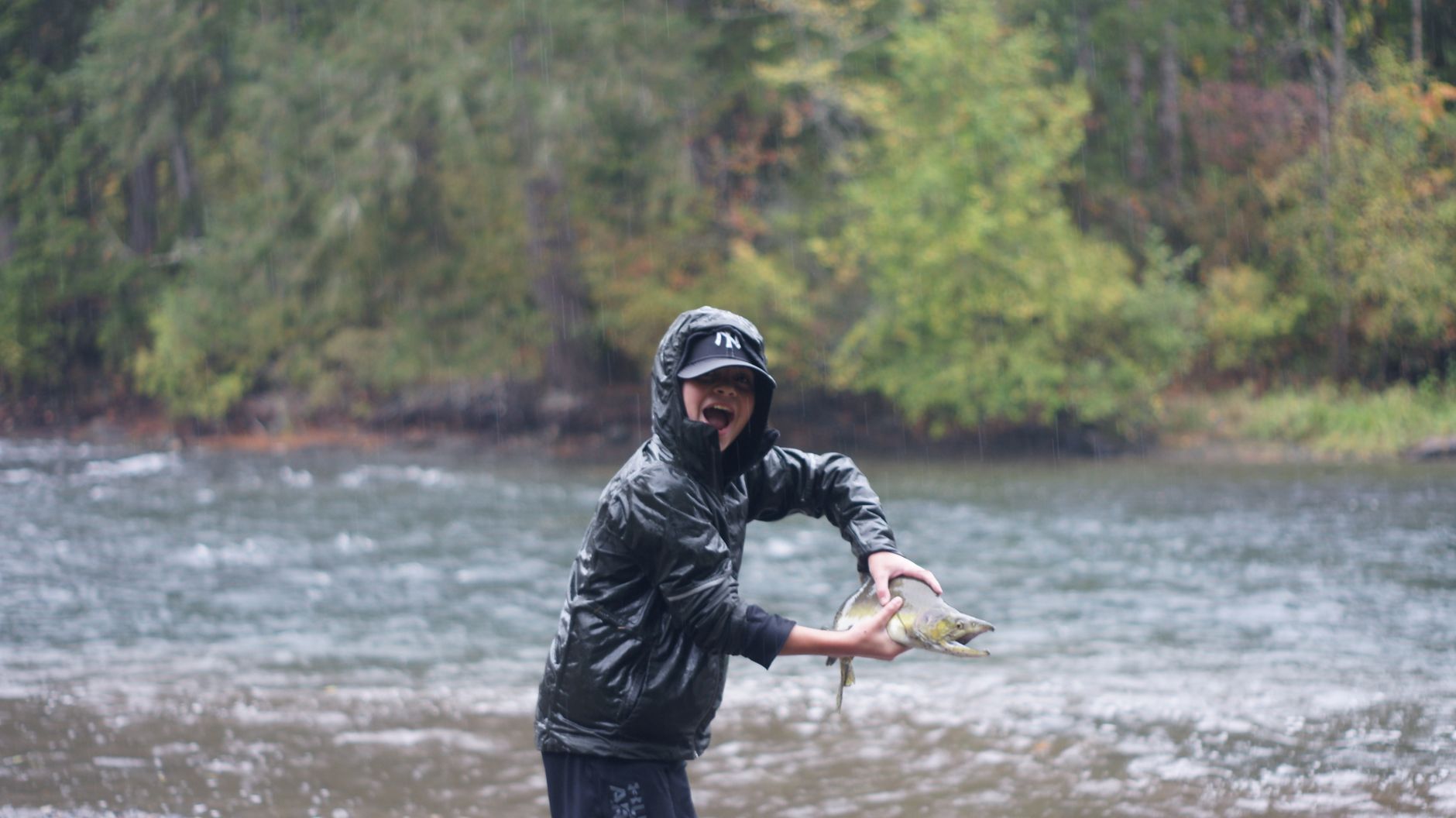
She has heard of more illegal fishing this summer than usual, on several stretches of the river rather than at Anvik alone. "It's upsetting," she said. Her later statement put this year's improvement down to the "diligence of those who have chosen to allow these salmon to continue their journey to the spawning grounds."
Science published by NOAA Fisheries in July suggests neither side may control the outcome. A full life-cycle model built by the Alaska Fisheries Science Center traced the collapse chiefly to mortality after the juvenile stage, which climbed steeply from 2016 alongside a series of severe Bering Sea marine heatwaves that wiped out prey species such as capelin.
"Not surprisingly, we found evidence to suggest that impacts operating in the early life stages have likely contributed to declines in run sizes over the past two decades, which is consistent with previous research," said lead author Dr Lukas DeFilippo. The later-stage mortality was the part that stood out, and as of 2023 it had not fallen back to pre-heatwave levels.
The study found no evidence that adult harvest or pollock bycatch drove the decline at a population level. Co-author Dr Kathrine Howard described the model as a foundation for further work rather than a final answer: "A model like this is a big step towards promoting research on the factors affecting salmon productivity across their life cycles."
Five years of the ban remain. What happens in the Bering Sea over those five years may matter more than what happens at the fishwheel.