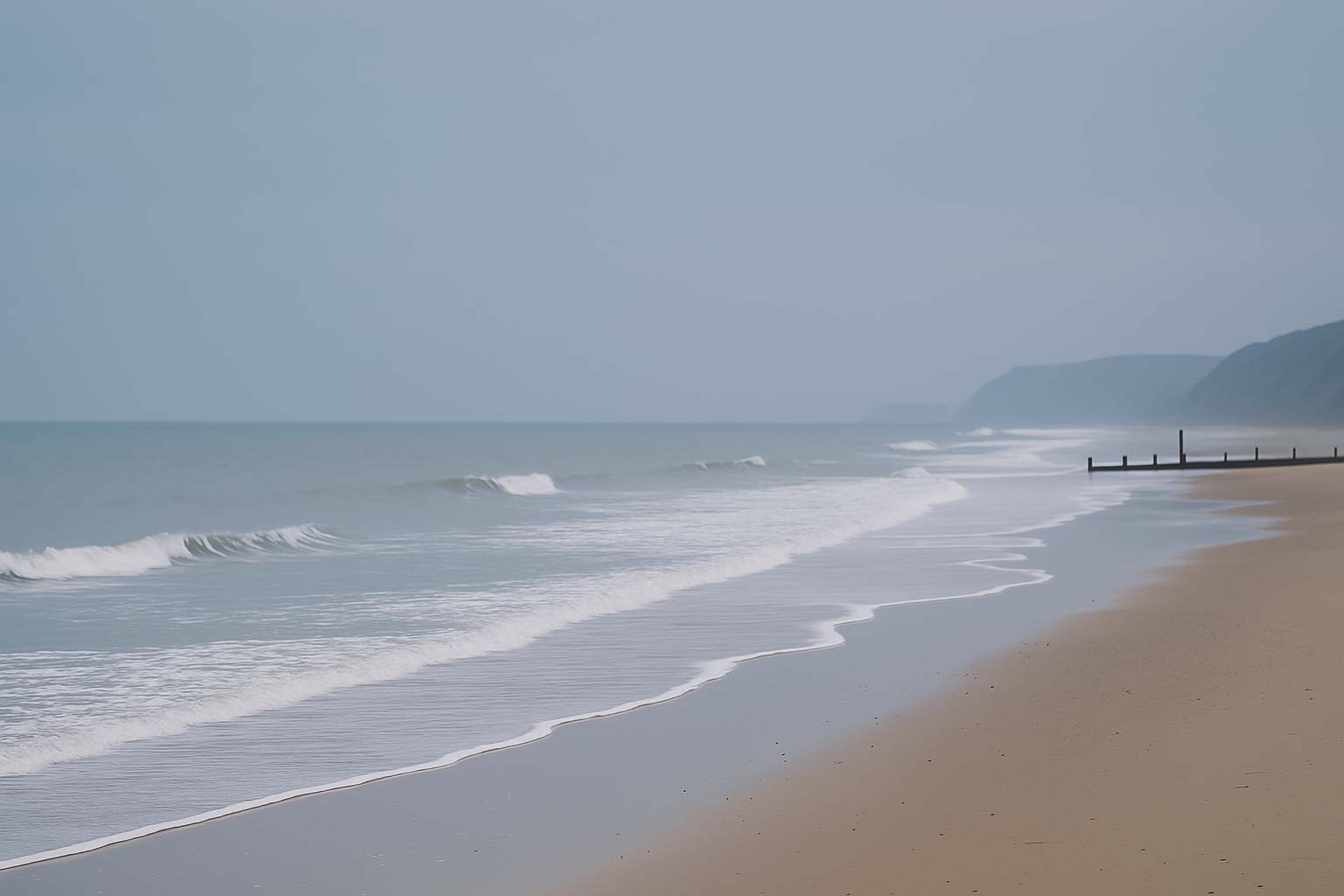
The East Coast of England offers a rich variety of fishing opportunities, stretching from the rugged Northeastern shores to the estuarine beauty of Essex. With species such as cod, whiting, and bass, along with numerous fishing marks available, the region is much revered among anglers throughout the year.
"Wherever you go, two things matter most: the tide and the time of year," said a seasoned angler. This statement highlights the importance of local behaviors in fishing success. With each area presenting unique challenges and rewards, angling enthusiasts are encouraged to learn about the local hotspots as they navigate the coastline.
Northumberland to Teesside
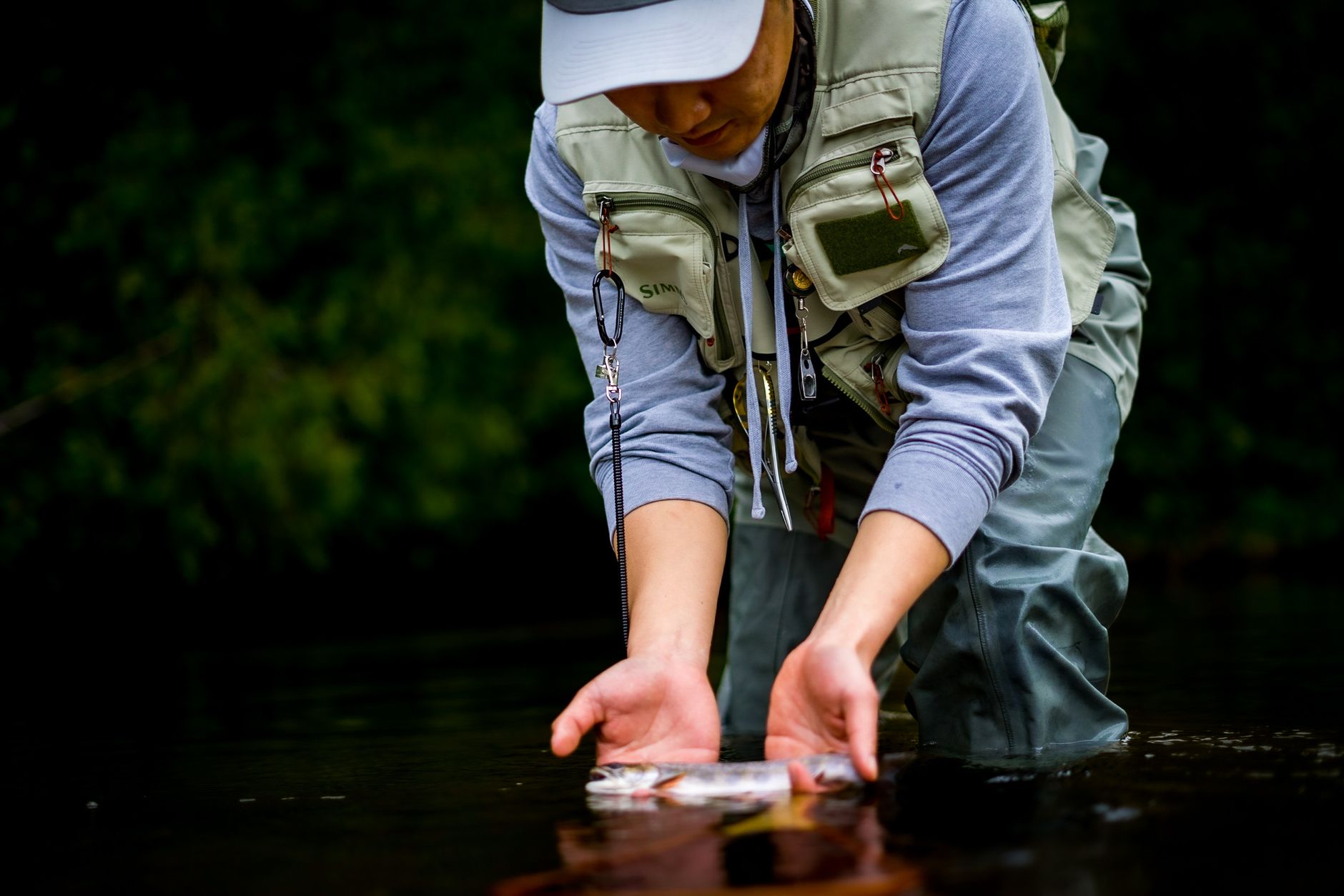
In the far North-East, the landscape dramatically shifts between rocky terrains and sandy stretches, making for an exciting fishing experience.
Hartlepool and Tees Bay are well known for their seasonal offerings. "Cod in winter, mackerel in summer, with whiting and dabs in between," noted a local tackle shop owner, emphasizing the area's diverse marine life. Moreover, the River Tyne and Wear provides flounder, eels, and school bass during the warmer months.
Tynemouth and Roker piers are classic venues where many anglers have caught codling in winter months, while Blyth and Whitley Bay's sandy beaches yield flounder and whiting.

Humber Estuary and Lincolnshire Beaches
The Humber estuary is a significant feature of the East Coast, providing a rich feeding ground that enhances fishing experiences. In winter, codling are prevalent, while flounder and bass tend to fill the waters during the summer months.
Mablethorpe and Skegness, popular among anglers, have many shallow beaches. "Timing is everything. Big tides at night tend to be best," noted a local fishing guide, illustrating the need to strategically plan fishing adventures.
Bait commonly used includes lugworm, ragworm, peeler crab, and squid. In summer, anglers can target bass, smoothhound, and flatfish; while winter months showcase whiting, dabs, and codling.
The Wash and North Norfolk
In the Wash, anglers can expect to find bass, flounder, mullet, and eels in its brackish waters. Fishing spots here sometimes resemble rivers, permitting the use of lighter tackle.
Suffolk
The Suffolk coast offers a blend of open beaches and picturesque estuaries, perfect for a variety of species. "The River Deben is superb for light tackle fishing for mullet," stated a local expert. For those targeting cod, Aldeburgh is a classic venue as temperatures drop, with flounder and sole making their presence felt in summer.
Essex
As the southernmost end of the East Coast, Essex provides a wealth of fishing opportunities across its piers, estuaries, and beaches. The River Crouch is noted for quieter bass and mullet fishing while the Thames Estuary is vibrant with multiple species such as eels and flounder in abundance.
"Expect variety all summer long in Southend-on-Sea with garfish, mullet, and bass aplenty," stated a local angler. As summer progresses, Clacton and Walton-on-the-Naze piers also yield exciting catches.
Seasonal Overview
Understanding seasonal shifts plays a critical role in successful fishing. Autumn introduces excellent bass fishing alongside whiting and cod, whereas summer brings a bounty of smoothhound, rays, and dogfish. Spring welcomes the first flounder in estuaries, and as winter sets in, cod, dabs, and the chance for bigger catches from rocky locales become available.
Tips for the East Coast
To enhance fishing outcomes, anglers are advised to monitor bird activity and changes in the water's color, as these can signal fish presence. Matching bait to local species is also crucial. "Worm and crab are reliable, but squid and fish baits have their days," remarked an expert fisherman.
Final Thoughts
While the East Coast may not boast the towering cliffs of its western counterpart, it stands out with unique fishing experiences and species diversity. As anglers explore and discover the varying fishing marks, they will inevitably create memorable experiences along this picturesque stretch of coastline.