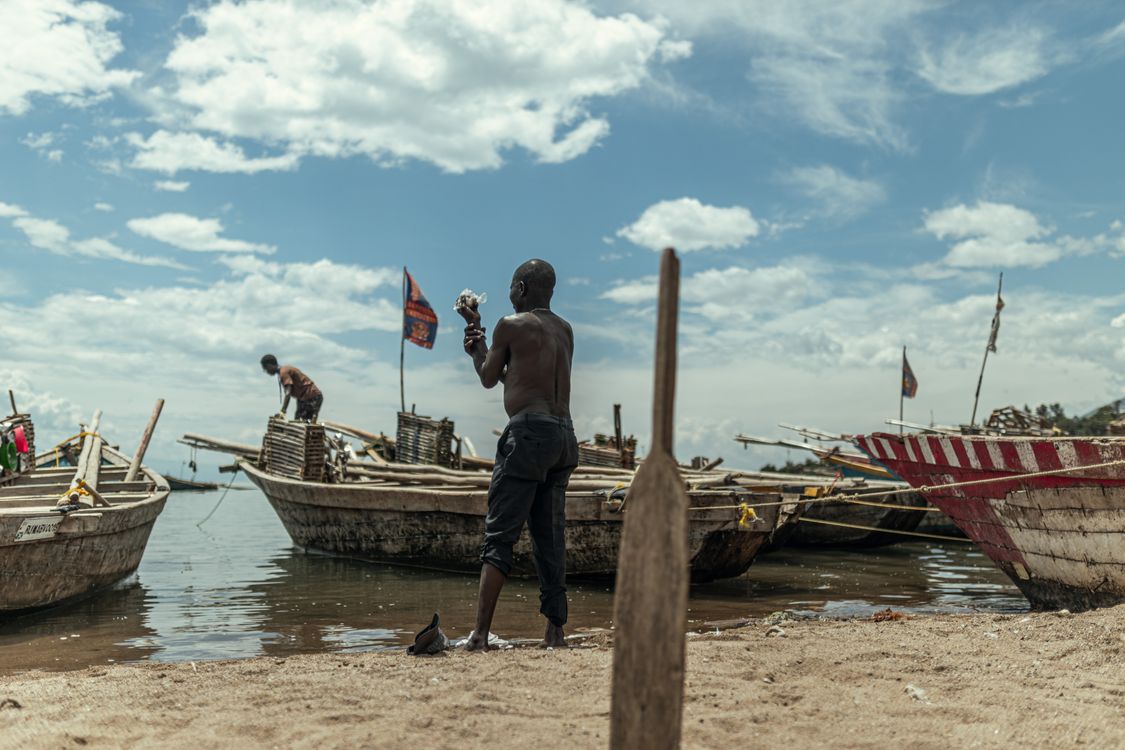
The men who fish the waters off Senegal describe the same thing in different words: the ocean is emptying, and the boats doing the emptying are not theirs.
A BBC feature published on 5 July put faces to a crisis that has been building for years along the West African coast, where artisanal crews in wooden pirogues say industrial trawlers — many of them Chinese-owned or Chinese-flagged — are hauling away the fish that entire communities depend on.
The numbers behind the anger are stark. Senegal's fisheries sector supports more than 1.3 million jobs, yet illegal fishing alone is estimated to cost the country around $300 million a year. Across West Africa, the losses run to roughly $10 billion annually. In Senegalese waters, some fish populations have fallen by about 57%.
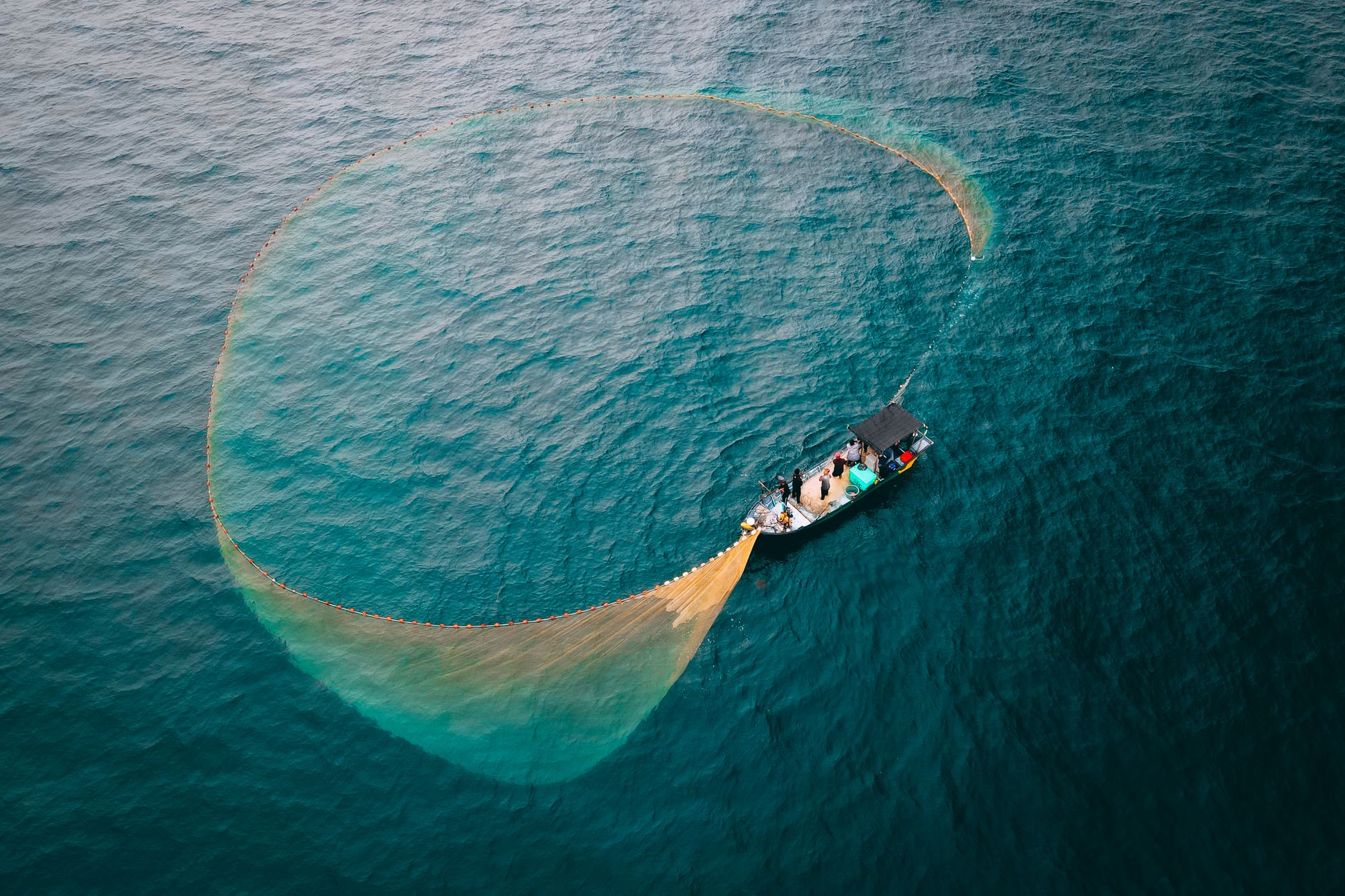
For the people on the wharves, the decline is measured in time, not statistics. "What a [local] pirogue used to catch in two months, now that same pirogue can fish for six or seven months to catch the same amount, which is a problem," said Mamadou Diouf Sene, president of a local fishing wharf revenue commission.
The damage does not stop at the water's edge. Aissatou Wade, a small-scale fish processor in Joal-Fadiouth, said the shortage reaches into homes and classrooms. "Without fish, we have no money to send our children to school, buy food or get help if we fall ill," she said.
Much of the catch never reaches a Senegalese plate. Investigations by The Guardian and the Pulitzer Center have documented how foreign trawlers feed a booming fishmeal-and-oil industry, grinding food fish into feed for farmed salmon and shrimp bound for Europe and Asia.
Enforcement is the hard part. Cheikh Salla Ndiaye of Senegal's fisheries-protection directorate has called policing the vast offshore zone "very difficult." But campaigners argue the era of invisible fishing is ending. Sophie Cooke, a fishing-vessel analyst at Greenpeace, said the high seas were long treated "like the Wild West because there was no way to see what was happening out there" — a gap that satellite tracking and vessel-monitoring tools are now starting to close.
The politics are shifting too. Senegal's new government has made the fisheries file an early priority, and in June the country joined Comoros in pledging fresh action against industrial encroachment in coastal waters, part of a wider regional push that included the recent Mombasa Declaration against illegal fishing. Whether any of it arrives fast enough for the crews in Rufisque and Joal-Fadiouth is another question.