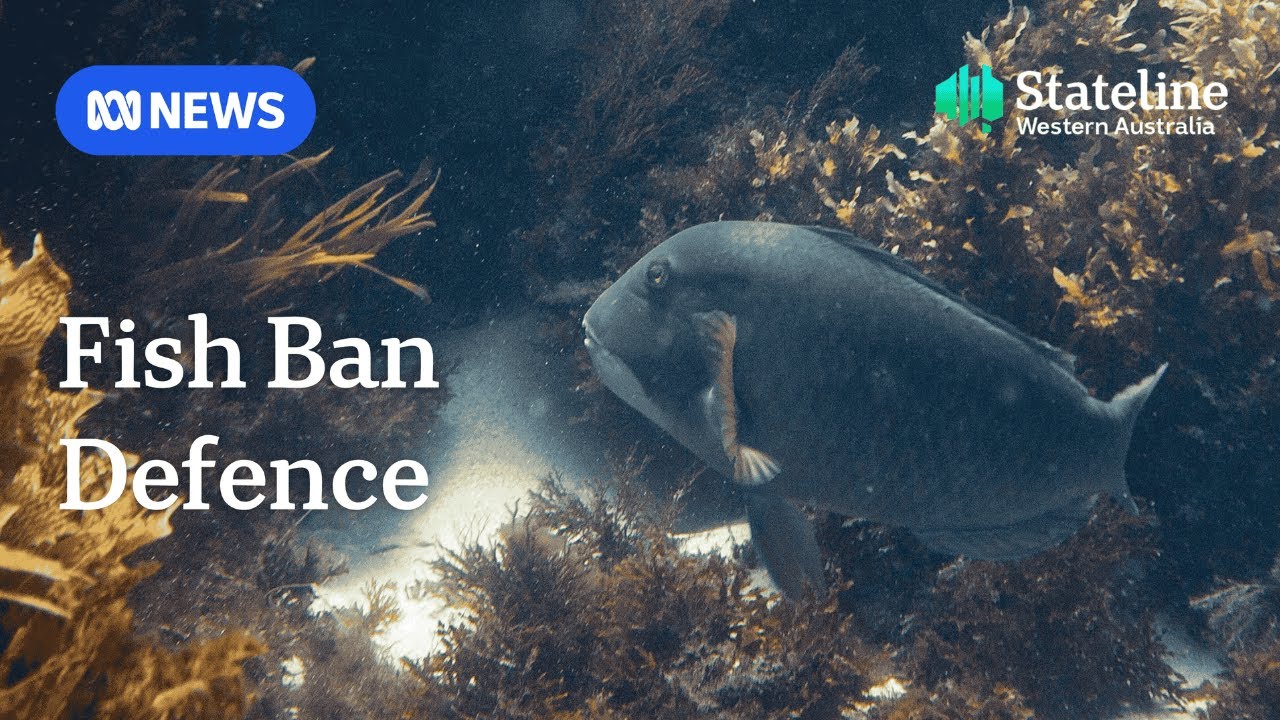
Western Australia's Fisheries Minister Jackie Jarvis has stood by what the opposition is calling a captain's call on the most sweeping demersal closures in the state's history, telling the ABC's Stateline she was prepared for the backlash but not for how personal it would become.
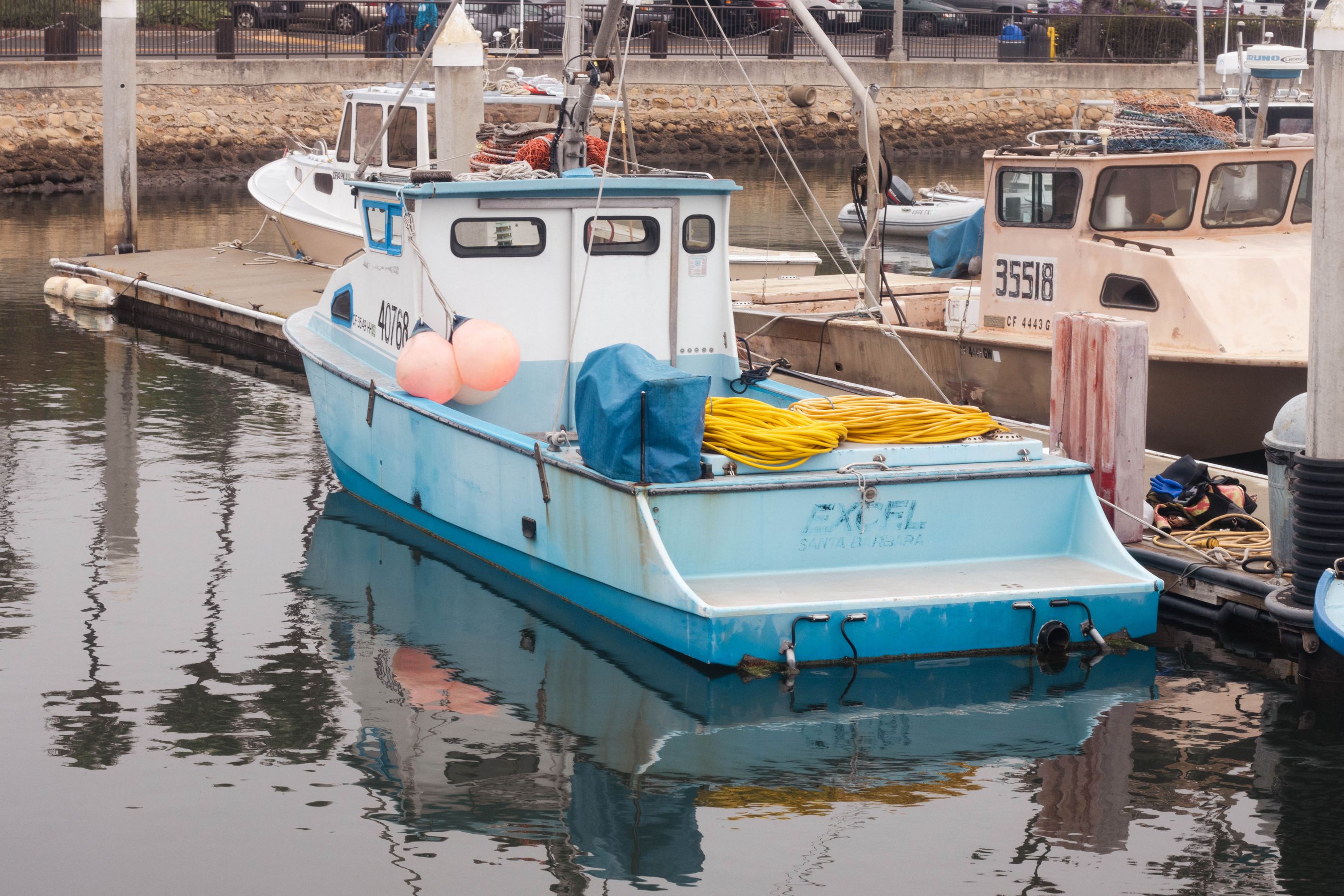
The package, finalised after months of consultation, brings in a permanent commercial ban along WA's West Coast demersal fishery from January, a partial boat-based recreational ban running until spring 2027, a 50 per cent commercial catch reduction across the Pilbara, Kimberley and South Coast fisheries, and a permanent trolling ban in the Pilbara. Forty-one boats operating in the 900-kilometre West Coast bio-region are being compulsorily bought out.
"These are difficult decisions for government. They're tough decisions. We acknowledge that and it will impact everyone," Jarvis said when the package was announced. She conceded then that she would be "unpopular with a lot of fishers" and that "people will have already made their summer plans expecting to be able to go out and catch Jew fish."
Protesters have since rallied outside parliament with signs reading "stop the ban", and an Albany fish-and-chip shop owner told reporters his prices had jumped 30 per cent and customers were walking away. Asked about that on Stateline, Jarvis pushed back.
"Look, I'm surprised that that's coming out of Albany. The South Coast is our biggest shark fishery. And when we talk about fish-and-chip shops, we're quite often talking about shark or flake as it's known. Last year alone, those fishers in the South Coast zone caught over 500,000 kilos of shark. That South Coast fishery continues. There will be a reduction, but even from that South Coast area, 250,000 kilos of shark is a lot of fish and chips," she said.
The minister was pressed on whether scientists had actually advised a permanent commercial closure, or whether her decision went further than the advice. She conceded the original recommendation was different.
"The advice I received, and I've said this publicly before, was that the most appropriate course of action was a 10-year closure of the West Coast bio-region for everyone. What became clear is you cannot ask commercial fishers to actually suspend their business for 10 years. So by permanently closing that commercial fishery, it triggered a legislative process where I can get the funds to pay them out in a compulsory buyout," Jarvis said.
Asked directly whether that was a captain's call, the minister did not flinch. "Well, that's the job of the Minister for Fisheries. It's my decision. I accept all the science. I consult and I make the decision. So I've received criticism from the opposition for making what they're calling a captain's call. That's my job. It's about preserving fish for the future and it's about making sure that we don't send things like Jew fish into extinction."
Jew fish biomass in some West Coast areas has fallen to seven per cent of pre-fishing levels, according to the departmental advice she received in August. Within a week of that briefing, Jarvis said, she had met with the commercial sector.
Green groups have backed the package, framing it as a long-overdue intervention that "is going to ensure that our kids can fish for Jew fish in the years to come." The opposition's framing has been blunter. "It's just not fair. What's taken place from this state government is just not fair. People have lost their livelihoods in a matter of three weeks," one critic told the ABC.
Jarvis left the door open to a future commercial reopening. "If stocks recover into the future, there is a mechanism to set up what's called a new fishery," she said. "A future minister in 10 years' time may well decide that there is an opportunity to open a new commercial fishery for demersal species. That's a decision for a future minister. The reason I did the complete closure at this stage is so that I can ensure that we can do that compulsory buyout and have those funds available for those fishing businesses."
For recreational anglers, the takeaway is unchanged: no boat-based demersal fishing on the West Coast until at least spring 2027, halved commercial pressure across the Pilbara, Kimberley and South Coast, and a state government that, on the political evidence so far, is willing to wear the heat to get there.