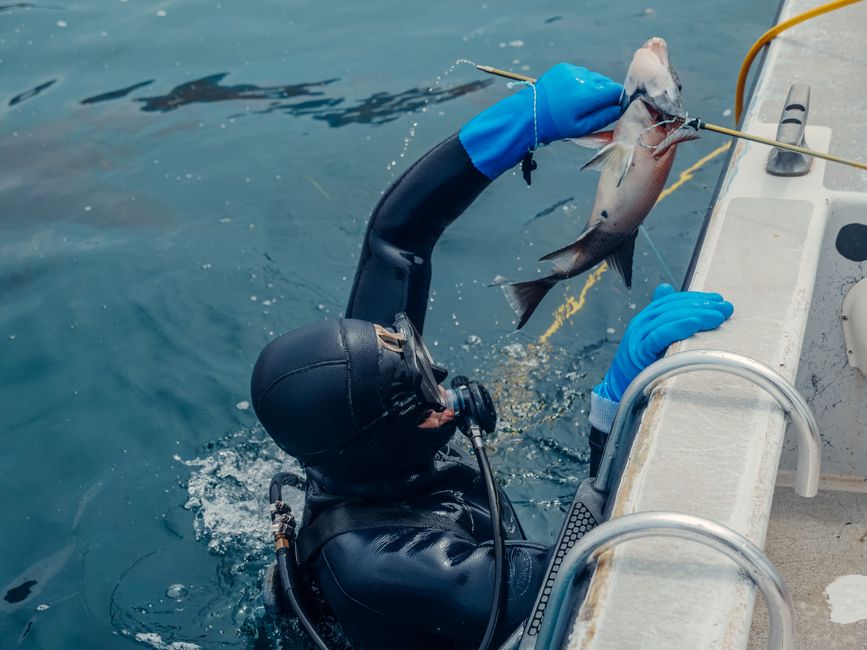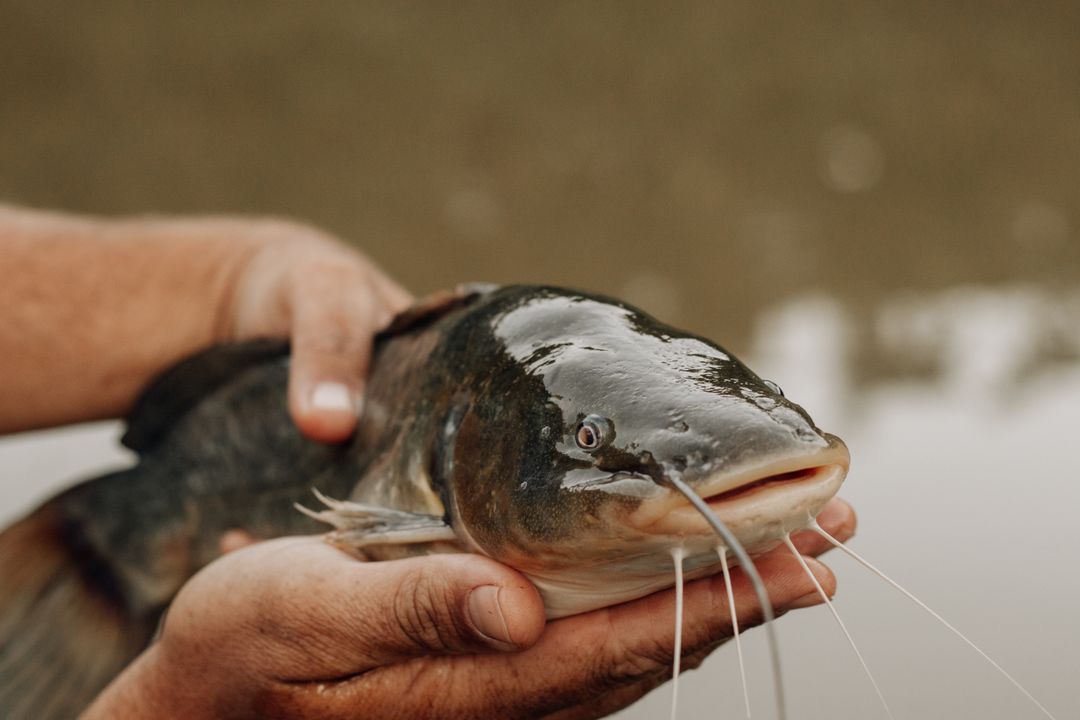
Virginia introduced blue catfish to its rivers in the 1970s to give recreational anglers a new trophy to chase. Half a century later, the state is trying to eat its way out of that decision — and researchers believe the cleanup could be worth more than a billion dollars.
Native to the Mississippi, Missouri and Ohio river basins, the fish were stocked into the James River in 1974 and the York in 1985. They thrived. As populations exploded and food ran short, blue catfish pushed out of freshwater and into the brackish Chesapeake Bay, where they now out-compete almost everything around them.
Michael Schwarz, associate director of Virginia Tech's Seafood and Agricultural Research and Extension Center, estimates that between 750 million and 1 billion pounds of blue catfish now swim in the Chesapeake — a collective mass greater than every other species in the bay combined. The fish have already spread into North Carolina, South Carolina and Georgia.
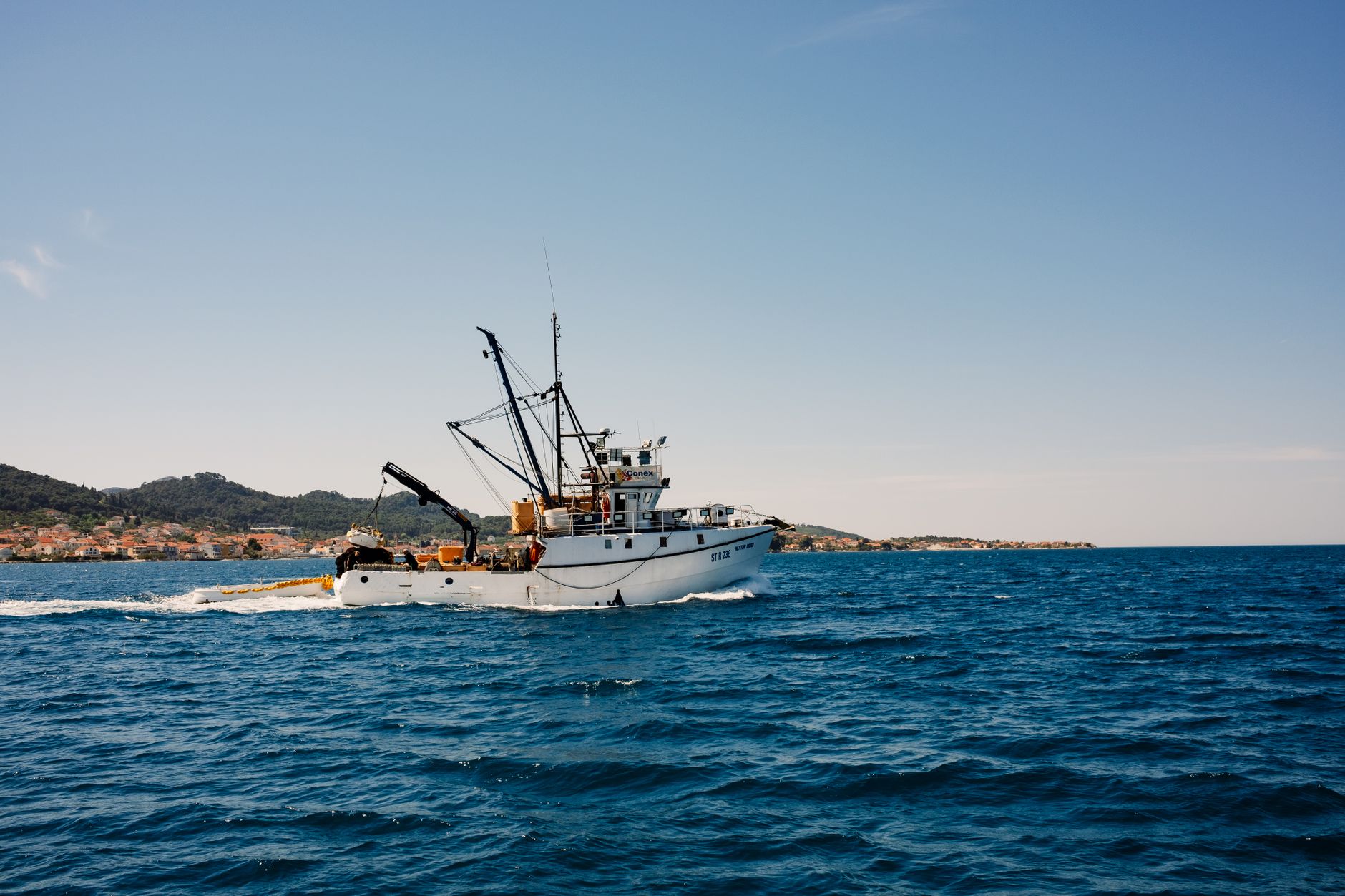
"It's an uncontrolled invasive species that is eating all of our traditional species that our seafood industries rely on," Schwarz said.
The damage is visible in the water. Some surveys find blue catfish account for up to 75 percent of the fish biomass in stretches of the York, Rappahannock and James rivers. Mary Fabrizio, a fish population scientist at William and Mary's Batten School and the Virginia Institute of Marine Science, examined the stomachs of nearly 7,000 of them and found medium and large catfish feasting on native oysters, shad, menhaden, river herring — and baby blue crabs.
"They're really an eating and reproducing machine," Fabrizio said.
Photographer Jay Fleming, who has documented the invasion across Maryland and Virginia, put it more bluntly. "They've gotten up into Maryland and down to North Carolina, and they eat everything," he told National Fisherman. "Crabs, oysters, mussels, clams. I opened up the bellies of some, and they are full of fish and shellfish."
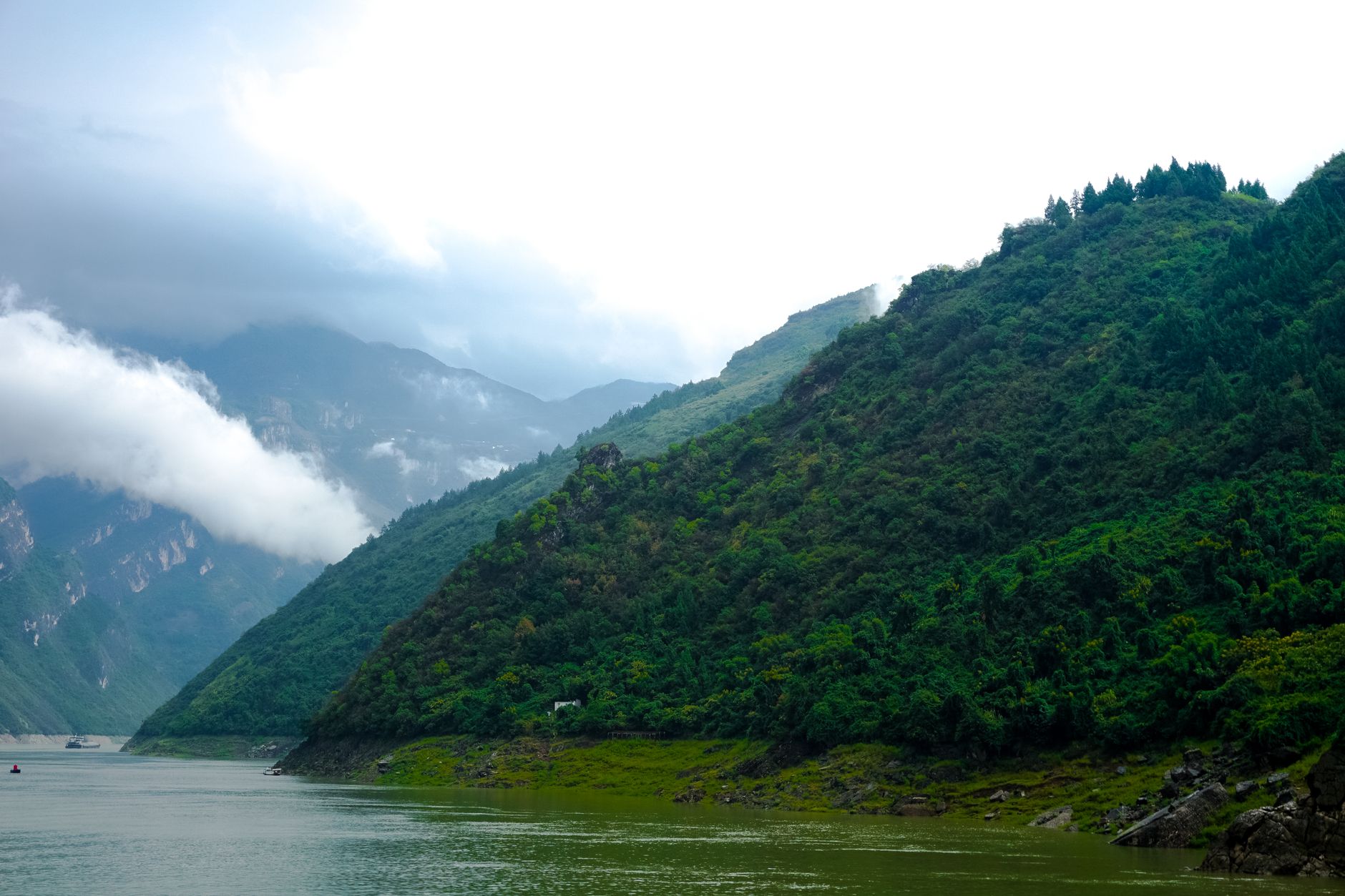
The state's answer is a coordinated push called "River to Table" — marketing campaigns, processing grants and loosened catch limits designed to build a commercial fishery from scratch.
"The more you eat, the more healthy the bay is," said Rachael Peabody, executive director of the Virginia Marine Products Board. "That's really something I think everyone's interested in capitalizing on."
Demand is climbing. Kyle Rowley, chief operating officer of the Virginia seafood chain Skrimp Shack, added blue catfish to his menus after growing up fishing a bay where flounder and croaker were no longer easy to find. Unlike farmed catfish, the wild fish hunt in the middle of the water column, giving them a cleaner flavor.
"We've talked about saving the bay for my entire life," Rowley said. "This is actually something we can do."
On the water, watermen are landing them in volume. Nick Hargrove of Tilghman Island Seafood in Maryland says his business bought four million pounds of blue catfish last year. "Catfish is one of the top five most recognizable fish in the world," he said. "It's a great low-priced protein."
The harder problem is making the math work for the people who catch and process the fish. A commercial fishery needs watermen, processors and buyers all scaling at once — and cheap imports keep undercutting local product.
"Families are on a budget," Amory said. "They can get a frozen catfish filet already breaded for cheaper than I can sell the whole fish right off the boat here."
Shelby White, a researcher at VIMS, says the deeper threat is the aging workforce. "The shortage of young people entering the industry is more problematic than the catfish themselves," she said — because without watermen, no one is left to pull the fish out.
Schwarz remains convinced the opportunity is real, with samples already shipped to buyers in Barcelona, Singapore and Norway. "It's a story for the ages," he said. "There's never been something this destructive with this high level of opportunity."