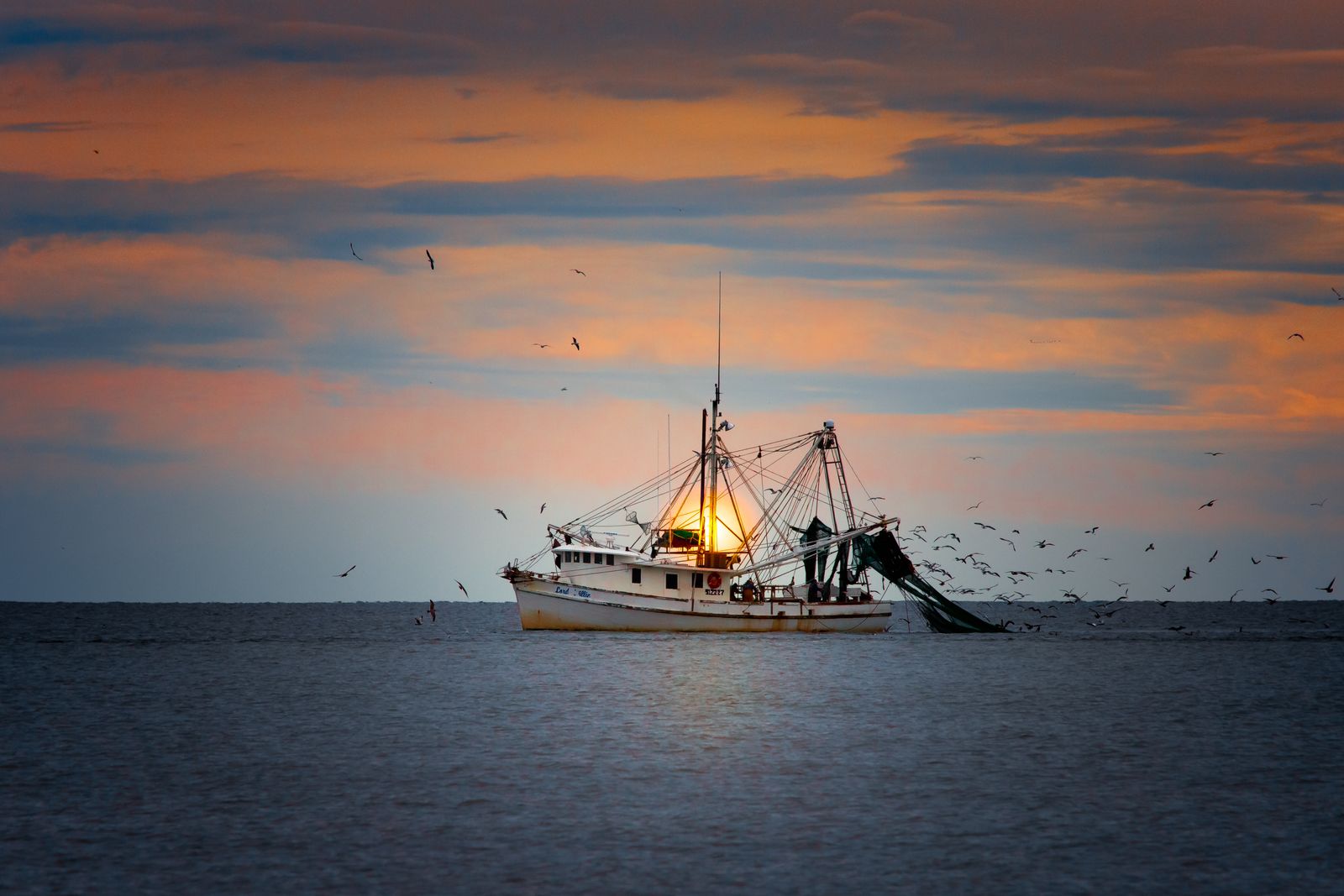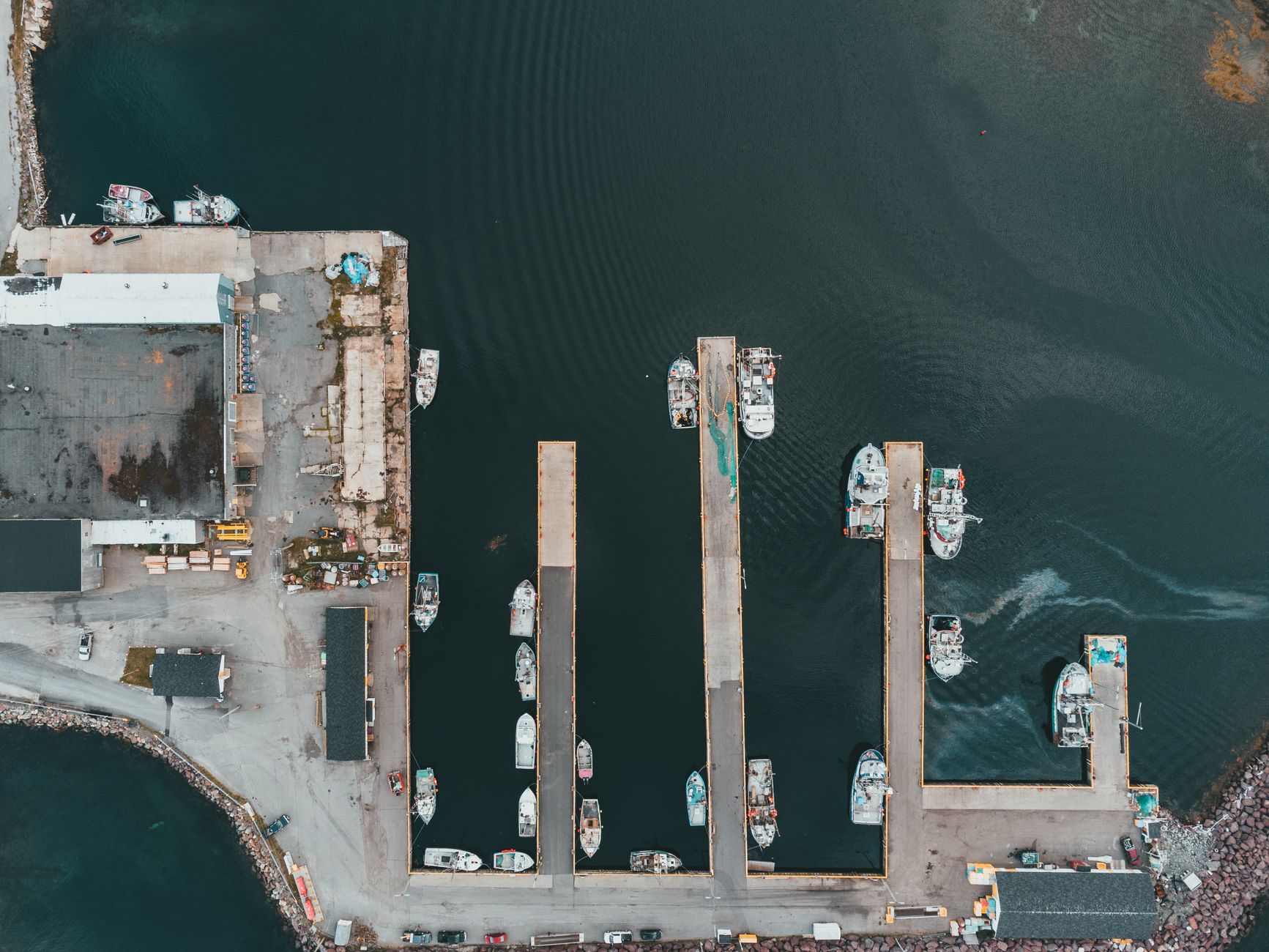
A commercial fishing fleet is now a sanctions target. The US Department of the Treasury's Office of Foreign Assets Control designated 15 Ecuador-based individuals and entities on 20 August and identified 10 commercial fishing vessels as blocked property, saying the boats were never really about fish.
The vessels work out of Manta, Ecuador's main tuna port. According to Treasury, they secretly transferred cocaine to small power boats, the go-fast vessels that run north through the Eastern Pacific towards Mexico, where the Sinaloa Cartel and Cartel de Jalisco Nueva Generacion take over distribution into the United States. The fleet also refuelled and resupplied those boats at sea, and, officials said, watched for law enforcement while doing it. Some of the vessels were burning government-subsidised fuel.
"Operating under the guise of legitimate fishing businesses, a fleet of Ecuador-based vessels near Manta, Ecuador, secretly transfers cocaine to small power boats — known as go-fast vessels — that transit north through the Eastern Pacific Ocean, en route to the United States," the Treasury Department said in its designation notice.
The people named are tied to Los Choneros and Los Lobos, two Ecuadorian gangs the State Department designated as Foreign Terrorist Organizations in September 2025. Among them is a family firm, Arcasdenoe S.A., run by Alfonso Mero Mero and his sons Roberth Alfonso Mero Arcentales and Edwar Alexis Mero Arcentales, with six vessels attached to it. One of those, the Todos Vuelven, is accused of carrying multi-tonne loads itself rather than merely servicing others. Julio Javier Mero Franco was named for allegedly coordinating 30 to 40 tonnes of cocaine a month for Los Choneros. Jimmy Leonidas Alarcon Holguin and Byron Aldino Mero Bermello were cited over refuelling operations, with Alarcon Holguin linked to six commercial entities including Alho Fish, S.A. and Soisamar, S.A.S.
"Under President Trump's leadership, Treasury is relentlessly targeting the narcoterrorist networks that profit from poisoning Americans," Treasury Secretary Scott Bessent said. "Working alongside our law enforcement partners, we will continue to disrupt the cartels' drug trafficking operations and protect our borders."
The State Department framed the scale in money rather than tonnage, saying the trafficking operations "generate billions of dollars annually for cartels responsible for a significant share of the deadly drugs flowing into our communities" and that "the United States will continue to use all our tools to dismantle the cartels profiting at the expense of American lives."
For anyone who fishes commercially, the uncomfortable part of this action is the mechanism rather than the crime. Treasury designated companies, not just people, and blocked named hulls. A vessel on that list is unsaleable, uninsurable through any institution with US exposure, and radioactive to buyers. Foreign banks that process transactions for the designated parties face secondary sanctions. OFAC has now taken close to 30 such actions against more than 300 individuals and entities since the start of 2025, and it says it deliberately targets facilitators and "ostensibly legitimate front persons" rather than only leadership.
The sanctions sit alongside a hard enforcement push at sea. Operation Pacific Viper, the Coast Guard-led counter-narcotics campaign launched in August 2025, had seized more than 225,000 pounds of cocaine in the Eastern Pacific as of June 2026, roughly 112 tonnes. Treasury credited the Homeland Security Task Force-Tampa, Joint Interagency Task Force-South, the DEA, the Florida National Guard Counterdrug Program, US Southern Command, the Office of Naval Intelligence and the Coast Guard.
That push has been violent. The Associated Press noted that the announcement comes as the US has escalated strikes against fishermen in the Caribbean and the Pacific, killing more than 200 people, as part of the administration's expansion of joint operations across Latin America. Which is the tension nobody in Manta can avoid: when the cover story for smuggling is a working fishery, the working fishery is what gets searched, boarded and, in some cases, fired on.
Ecuador is leaning in regardless. Defence Minister Gian Carlo Loffredo announced on Thursday, after meeting General Francis Donovan of US Southern Command in Manta, that two US warships with interceptor boats and helicopters will patrol Ecuadorian territorial waters.
"This means we will triple our interdiction capabilities in the maritime zone," Loffredo said, adding that "three Black Hawk helicopters are in Manta and will be conducting operations."
He did not say when the patrols start. Ecuador, wedged between Colombia and Peru, recorded 50 murders per 100,000 residents last year, its worst rate in decades.