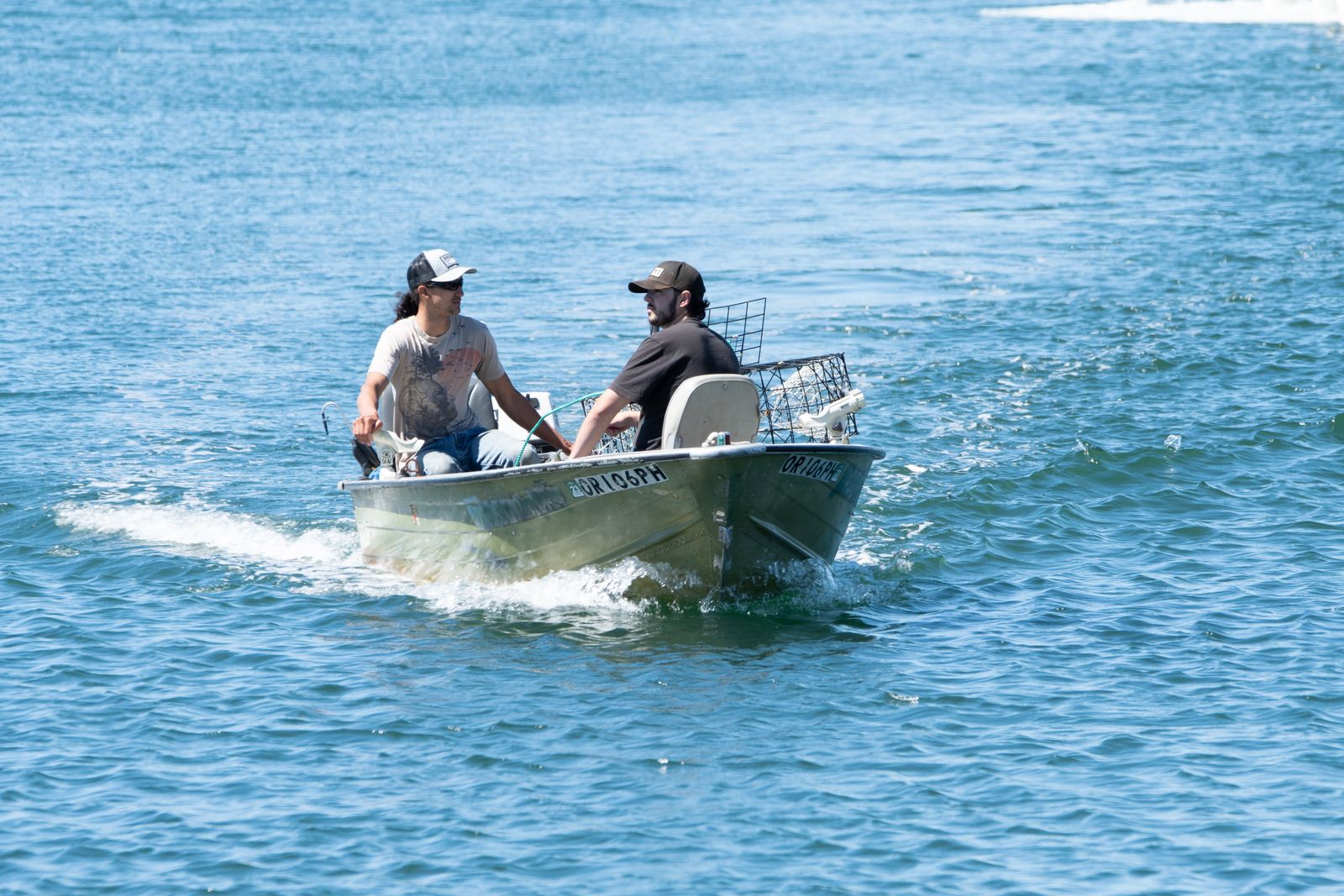
Recreational fishing in the United States is a far bigger harvest than the official numbers suggest, according to new research that has stunned even seasoned fisheries scientists. The study estimates that anglers in the lower 48 states catch somewhere between two billion and six billion freshwater fish every year.
After accounting for the huge share of fish that anglers release, the team estimates that between 230,000 and 670,000 metric tons of fish are actually kept and taken home annually. That is a staggering jump on the figures the United States has historically reported to the United Nations' Food and Agriculture Organization — by the study's reckoning, somewhere between 17 and 48 times more. Previous estimates sat around 13,388 metric tons, against a new baseline of at least 236,000 metric tons.
The research was led by Matthew Robertson of Memorial University of Newfoundland, working with scientists from the U.S. Geological Survey, the University of Missouri and Louisiana State University. To build the picture, the team pulled together data from more than 15,000 surveys spanning 40 states — a far broader sweep than the patchy datasets that underpinned earlier national estimates.
The implications go well beyond bragging rights about the size of the catch. Recognising recreational fishing as a significant source of food changes how policymakers should weigh decisions that affect anglers, because regulations and access rules ripple through to the food security of millions of households that genuinely rely on what they catch.
There is an ecological side, too. If far more fish are being removed than anyone realised, the effects on freshwater ecosystems have been similarly underestimated. The researchers warn that overlooked harvest pressure can ripple through food webs — heavy removal of predatory fish, for example, can shift predator-prey balances in ways that fuel problems such as algal blooms.
The takeaway is not that recreational fishing is the villain. It is that a popular, deeply embedded activity has been quietly flying under the radar of the data that shapes fisheries policy. Counting it properly, the authors argue, is the first step to managing freshwater fisheries — and the communities that depend on them — with eyes open.