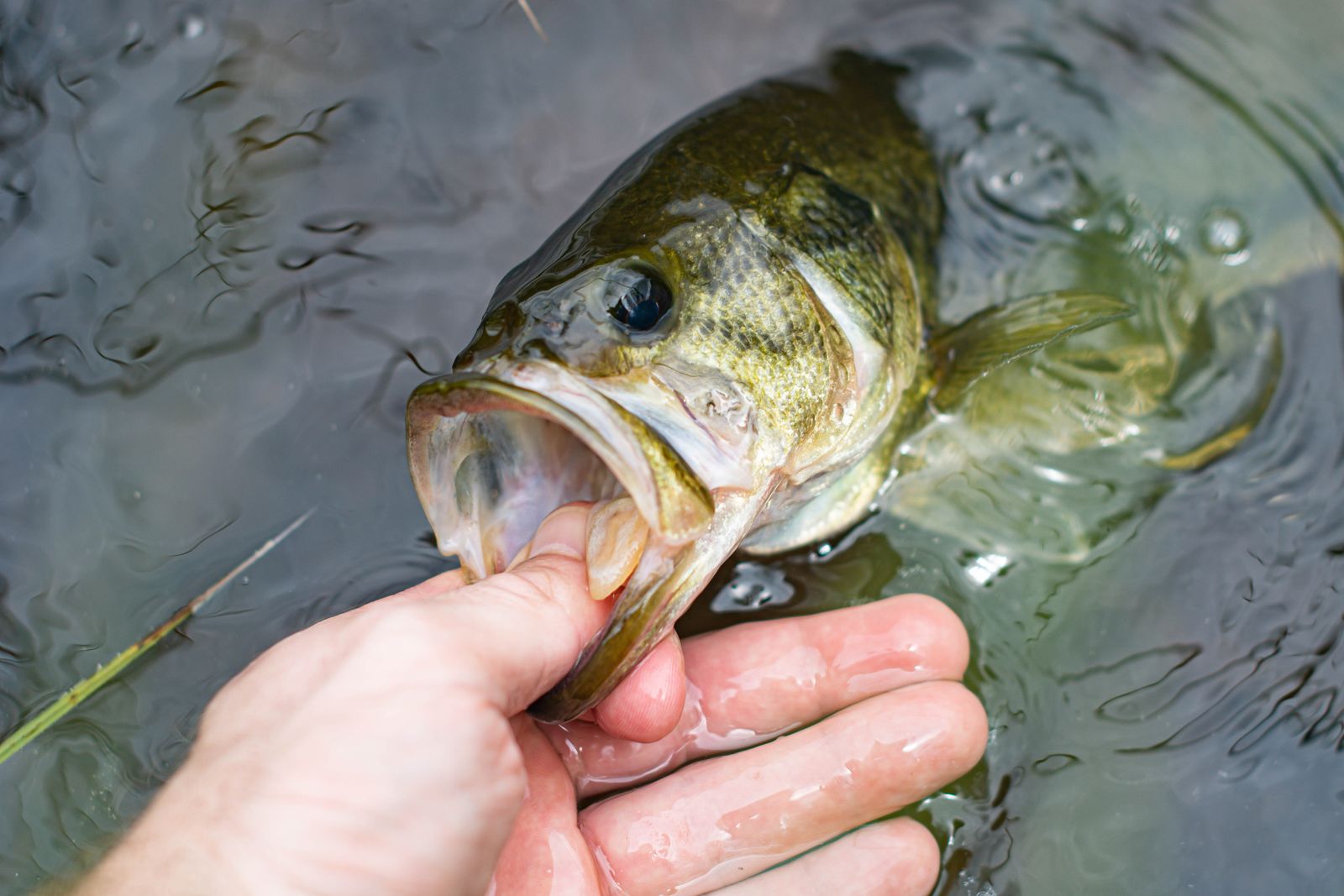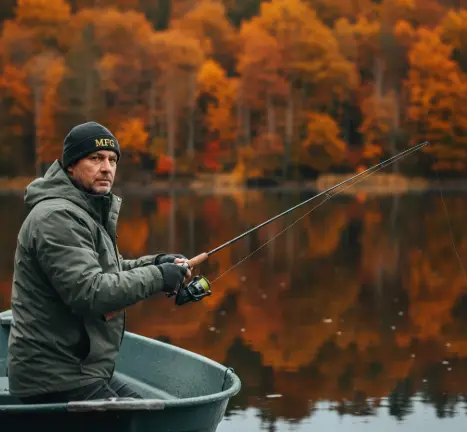
As temperatures dip in the winter months, many anglers mistakenly hang up their rods, believing fishing has come to an end. However, for those willing to adapt their strategies, cold water can yield some of the largest bass of the year. "Winter bass fishing is a different game entirely. It’s slower, more tactical, and demands precision," said an industry expert. This guide will explore effective methods and lures to help anglers succeed when the water temperature drops.
When the mercury falls below 60 °F (15.6 °C), the key to success lies in patience and a thoughtful approach. "The thrill of landing a 7-pound largemouth in 45 °F (7 °C) water isn’t for everyone — but for those who adapt, it’s one of the purest tests of skill an angler can face," emphasized one seasoned angler. It's crucial to shift the mindset from speed and aggression to methodical strategies that entice fish.
Cold-water bass fishing requires a different mindset as late fall transitions into winter. During this time, bass alter their behavior, becoming more methodical and energy-conscious. They seek deeper waters where they can conserve energy and remain stable. This article intends to break down successful tactics to keep anglers competitive during these frigid months.
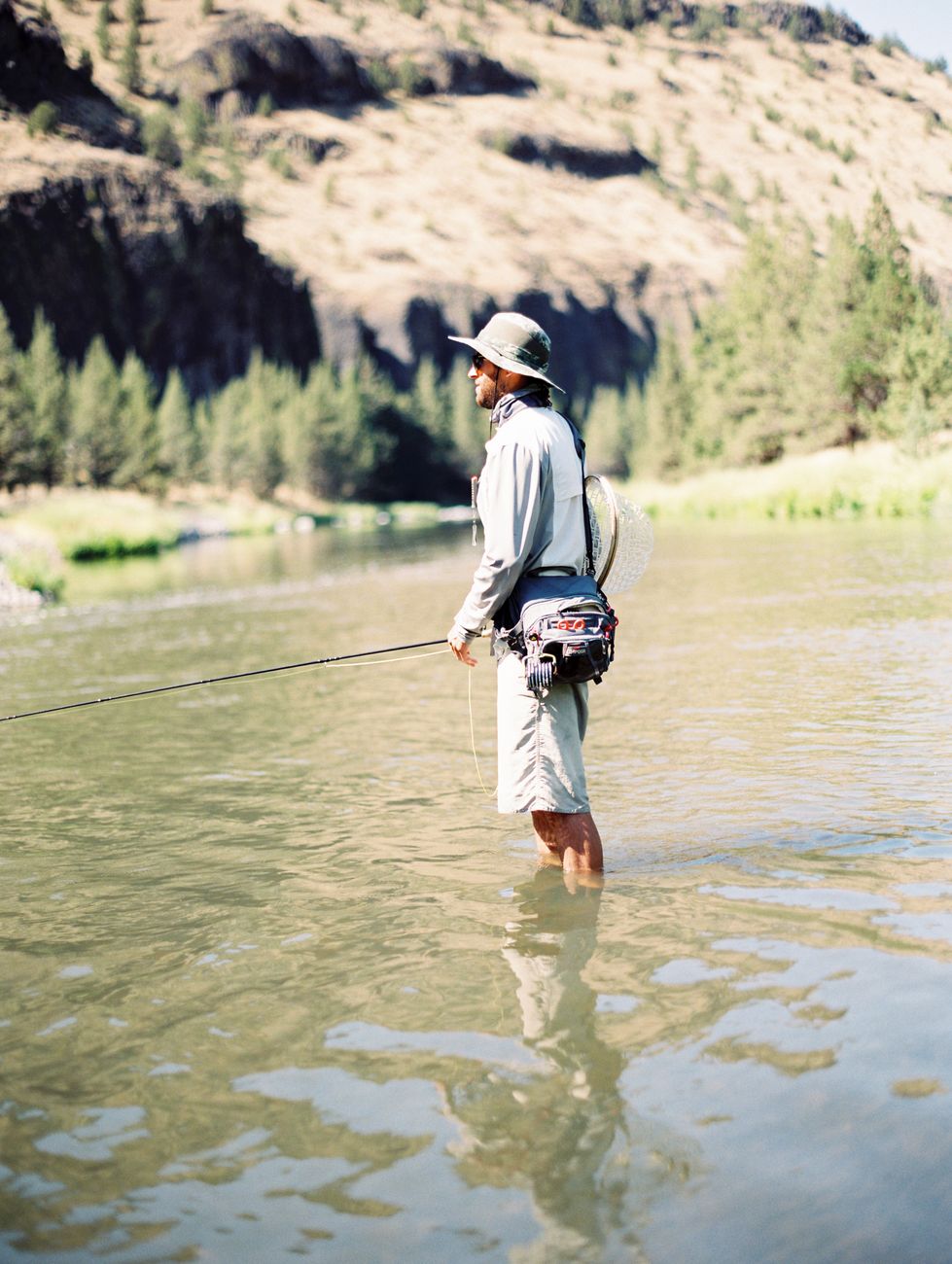
Once the water temperature dips below 50 °F (10 °C), anglers must recognize that bass stop pursuing fast-moving baits. Instead, they shift towards a more energy-efficient feeding strategy. "Every presentation must look like an easy meal, not a chase,” noted one experienced fisherman. To enhance success rates, anglers should target stable temperature zones, including deep points, rocky ledges, and mid-lake humps that hold warmer water than surrounding areas.
Electronics play a significant role during these winter months. "Use your electronics to find baitfish schools, and position your lure just above them,” advised a veteran angler. This method can effectively trick bass into striking by presenting lures at optimal heights. Bass tend to suspend in cold water, often striking upwards, making proximity crucial.
Retrieving techniques also become vital in colder conditions. "Long pauses with jerkbaits, slow lifts with blade baits, or dragging a finesse jig can consistently outproduce fast-moving lures,” explained an expert. The mantra for cold-water fishing is not how frequently but how long one keeps the bait in the strike zone.
As temperatures drop further, particularly near 45 °F (7 °C), downsizing lures and lines can make a significant difference. With fish becoming reluctant to chase, smaller profiles often entice interest. "Bass become less willing to move far for food, so adjusting to a lighter presentation keeps bites coming even in the toughest conditions,” advised a pro angler.
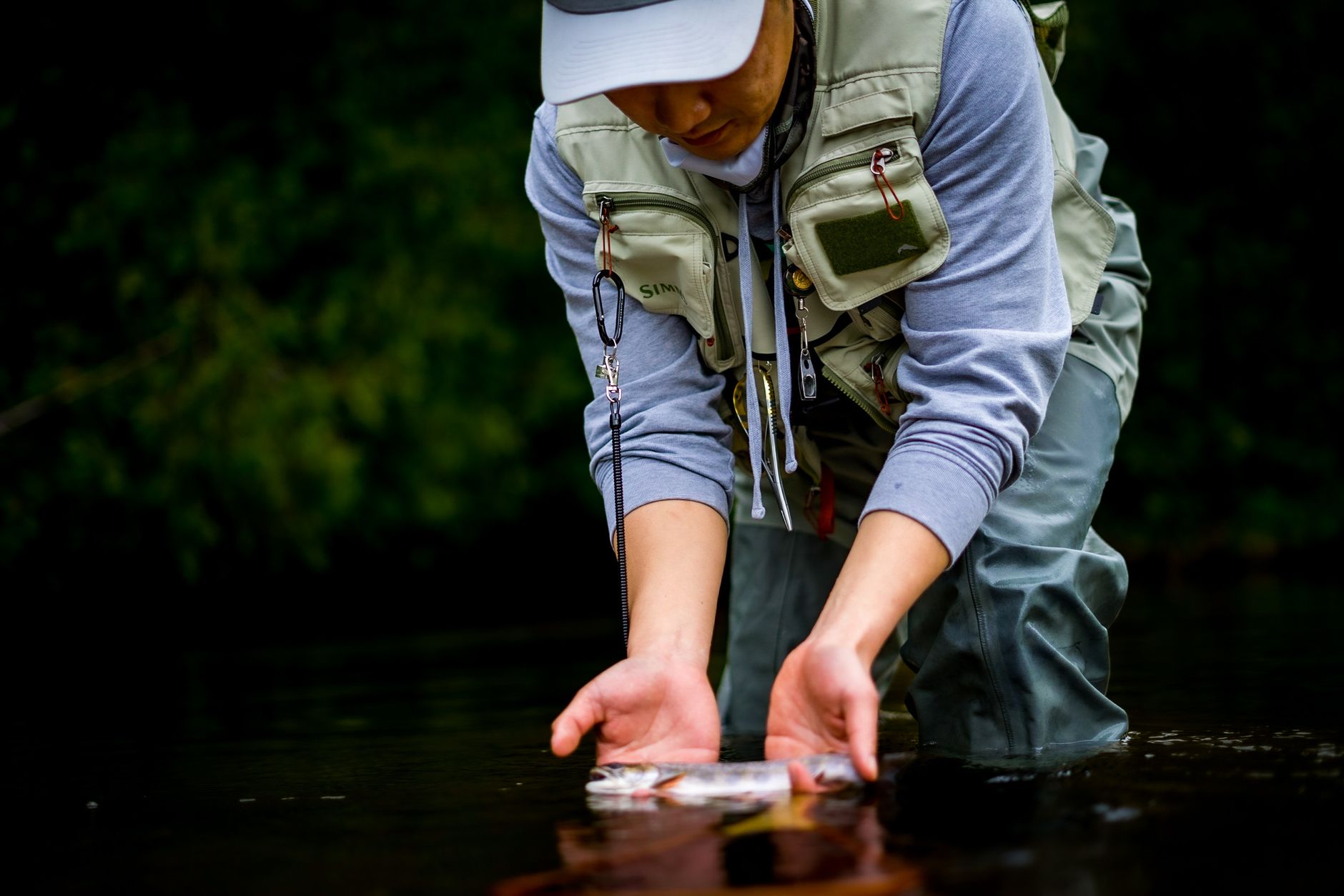
Understanding where bass relocate in winter is equally important. Often, these fish head to deeper, stable zones, where temperature and oxygen levels remain consistent—main-lake points, rocky ledges, and creek channels are focal points. "The fish don’t vanish — they just relocate to where survival is easier,” remarked a fisheries biologist.
During early winter, focussing on secondary points or channel swings—areas where creeks narrow near main waterways—can yield prime fishing conditions. Bass are likely to find cover here while waiting for baitfish, and once they settle into these wintering zones, they remain until temperatures begin to rise.
In larger reservoirs, submerged structures like rock piles or timber lines are critical locations. "These spots act as both cover and temperature buffers, allowing bass to suspend just off these structures and wait for easy targets to pass by,” highlighted a fishing guide. In smaller waters, targeting the deepest basins, especially near steep banks, can provide hidden gems until spring comes around.
Equipped with the right tactics, techniques, and gear, anglers can look forward to fruitful winter outings. The lures proven effective in cold-water conditions have been rigorously tested, showcasing the potential for success in this challenging fishing environment.
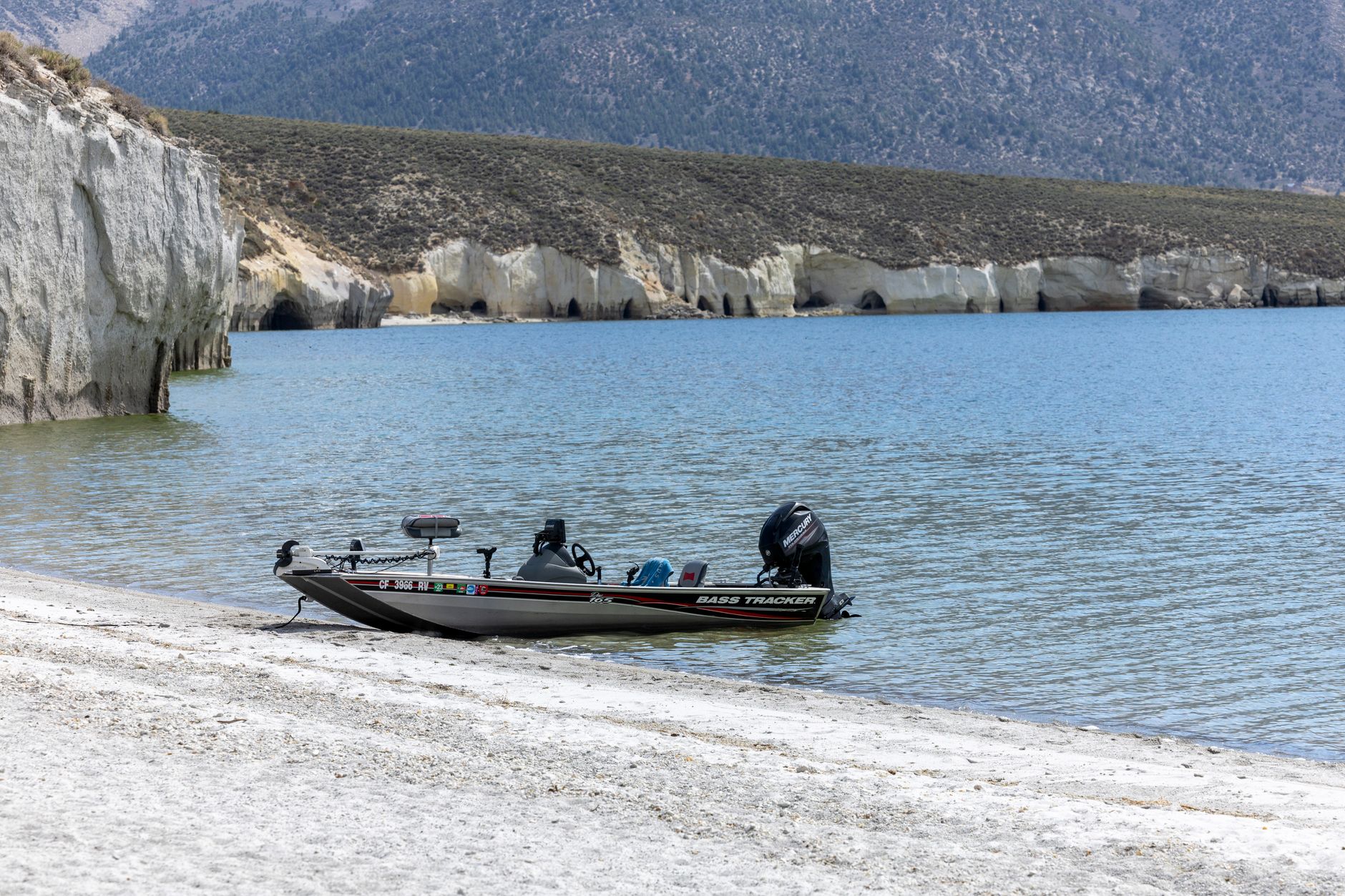
With these valuable strategies in hand, anglers can navigate the challenges of winter bass fishing and experience the thrill of achieving noteworthy catches, making the cold season an extraordinary opportunity to reel in impressive fish.