A grassroots campaign led by recreational anglers is pushing back against a proposal to permit commercial tunnel netting within the Great Barrier Reef World Heritage Area, with petitioners arguing the gear catches far too much of the wrong thing to have a place there.
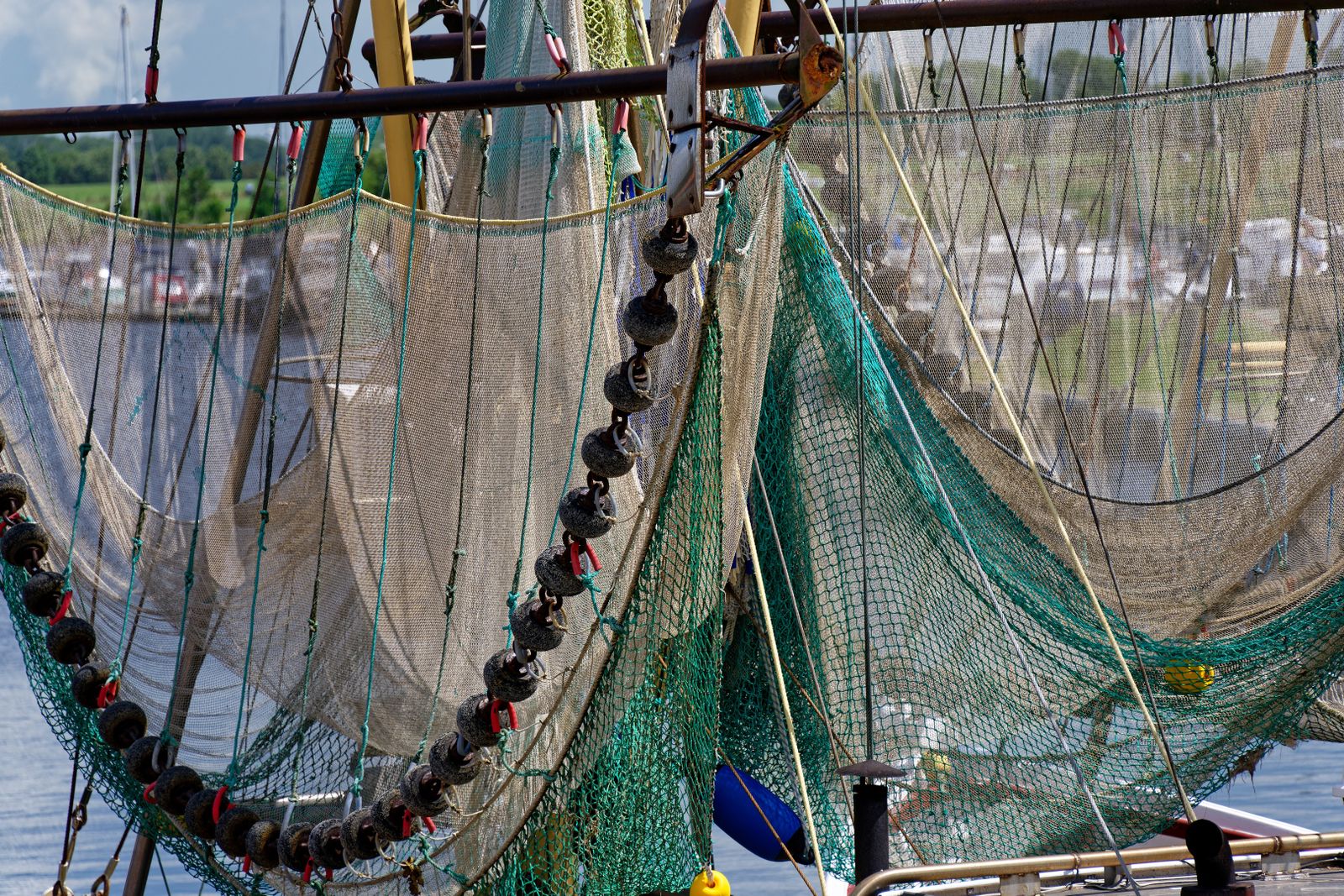
The push is being coordinated by the Inshore Flats Project, which wants the Queensland Government to refuse the establishment of a new tunnel-net fishery. Tunnel nets channel fish along extended mesh walls into a collection chamber as the tide falls, and campaigners say the sheer dimensions of the equipment are the heart of their objection.
The Inshore Flats Project describes the nets as "industrial-scale walls of mesh netting" with wings reaching as far as 1.6km — barriers that few fish can move past once they are deployed across a flat.
Trial figures cited by the campaign have done much of the persuading. In 17 separate deployments, more than 30,000 fish spanning over 50 species were reportedly taken. Around 97 per cent of that catch by weight was lower-value or unwanted, leaving the actual target species at roughly 3 per cent. Baitfish alone accounted for more than 15 per cent — the very forage base that sport species such as barramundi and trevally depend on.
One drop of the net, organisers say, can gather upwards of 6,000 fish weighing two tonnes or more. The locations tested span the central and northern Queensland coast, including Bowen, Airlie Beach, Shute Harbour, the Whitsundays, Lucinda, Turkey Beach and Gladstone, all of them popular with recreational fishers and coastal tourism businesses.
Beyond the immediate tally, anglers worry about the cumulative toll on shallow tidal systems. Flats, seagrass and creek entrances act as nurseries, and campaigners contend that subjecting them to high-volume netting erodes the fisheries that bring anglers and tourists to the reef coast.
At its core, the campaign treats the matter as a test of how a World Heritage Area should be used. Backers argue the inshore reef ought to be managed for lasting ecological value and the low-impact economy built around it, not handed to a method that discards the overwhelming majority of what it captures.
Organisers are encouraging anglers to sign the change.org petition and follow the Inshore Flats Project for updates, hoping to sway decision-makers before any approval is finalised. They stress the goal is not to end established, regulated commercial fishing but to prevent tunnel netting from entering the reef's protected zone.
The proposal continues to divide commercial and recreational interests over the future of the inshore Great Barrier Reef. With the fishery's own trial data already showing heavy bycatch, those opposing it say the strongest argument comes straight from the net.