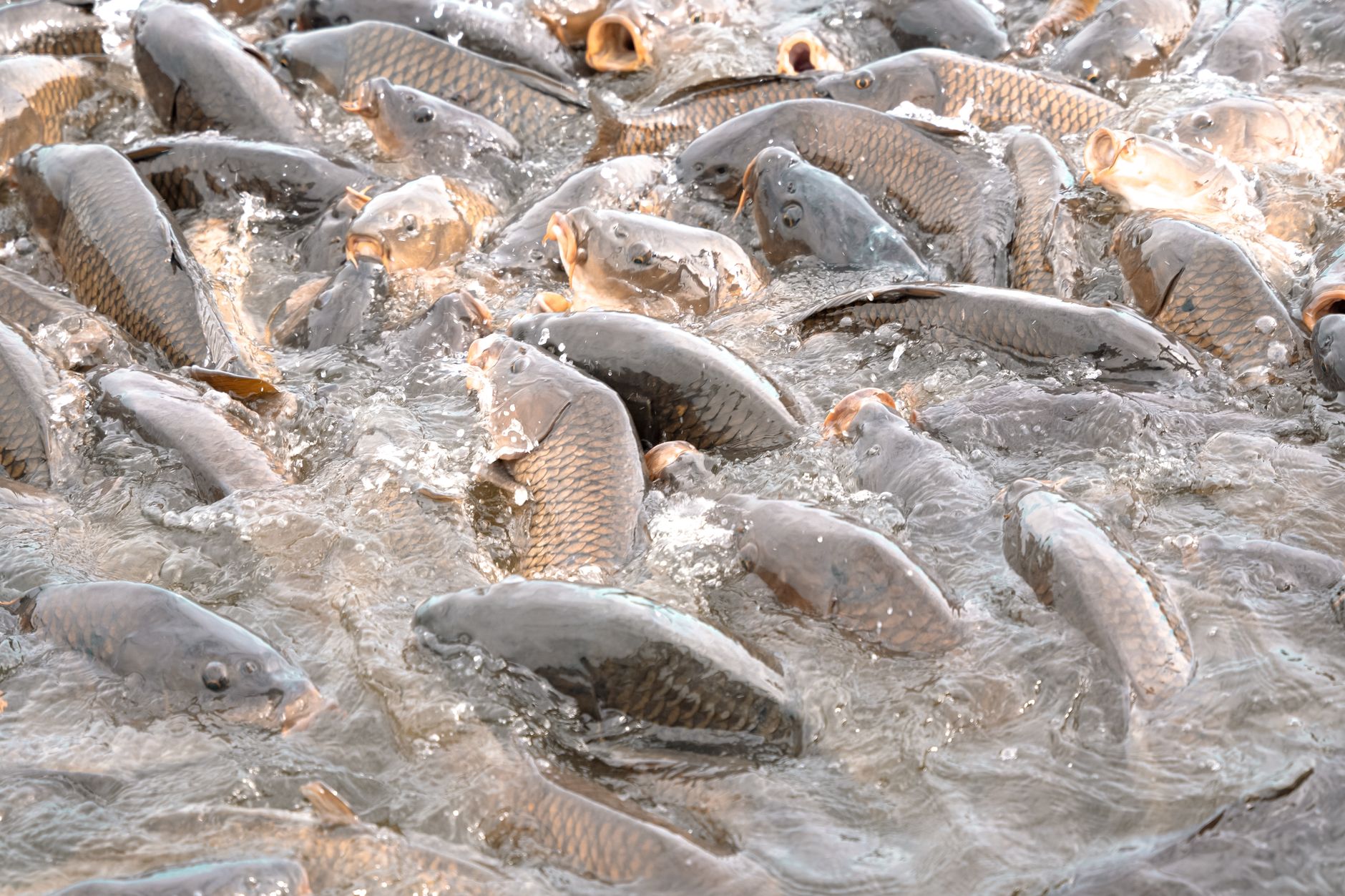
Federal managers have taken back control of salmon on Alaska's Kuskokwim River and immediately shut the coho harvest down, ending a silver season that barely got started.
The emergency closure took effect on 12 August at 5pm, covering federal public waters from the river mouth to Aniak, including salmon-spawning tributaries and the Aniak Box. It continues a state closure already in place — the Alaska Department of Fish and Game had shut coho fishing days earlier, citing the same collapsing sonar counts.
Yukon Delta National Wildlife Refuge manager Spencer Rearden said this year's run is tracking against one of the worst on record. "Fifty percent of the run has already passed Bethel now, and could the numbers improve with some late runs? Absolutely. We want to open the river, but until the fish say we can, we're closed at this moment," Rearden told KYUK.
The numbers are grim in a specific way. As of 10 August, roughly 96,000 coho had passed the sonar just downriver from Kwethluk. On the same date in 2022 — the lowest return in more than two decades — the count was about 86,000. "That's not a lot of difference when you're comparing poor numbers to poor numbers," Rearden said. Other recent years have averaged close to double that figure by mid-August.
Managers half-expected it. Coho spend four years at sea, which makes 2022 the parent year for most of the fish arriving now. "In 2022, that's the parent year for most of the coho salmon that we're seeing this year. And because those numbers were low, we did half expect them to come in low also," Rearden said.
He was careful not to treat that as a rule. "In 2020, the runs were low, too, but four years later, in 2024, they were adequate enough that we relinquished authority," Rearden said — a reminder that the parent-year signal has been wrong before, in the good direction.
The closure is not total. Federally qualified subsistence users may still fish with dip nets, beach seines, fish wheels, and rod and reel throughout federal public waters. What is barred is gillnets and the retention of coho. Other salmon species and non-salmon species can still be kept.
That distinction is the whole fight in miniature. Who gets to set it — the state or the federal government — has been contested on this river for years. The U.S. government sought an injunction against Alaska in May 2022 to stop the state authorising fishing that conflicted with federal subsistence priority. Alaska filed its own injunction in September 2023; a federal judge sided with the federal government in April 2024. State officials took the question to the U.S. Supreme Court in September 2025, seeking clarity on what counts as "public lands" under the Alaska National Interest Lands Conservation Act. In January 2026 the court declined to hear it, leaving federal authority over subsistence fishing on federal waters intact.
This year's handover is that ruling in practice. The refuge manager determined federal management was necessary "for conservation and for the continuation of subsistence uses for coho salmon within the Federal public waters of the Kuskokwim River drainage due to low abundance," an ADF&G release said, adding that "the Federal in-season manager will consider announcing gillnet fishing opportunities for federally qualified subsistence users after evaluating conservation needs and consultation with partners."
The closure also lands on a commercial fishery that was already struggling to justify itself. ADF&G reopened the Kuskokwim Bay commercial salmon fishery in early July, and 70 permit holders turned out — against upward of 700 in earlier eras. Participants told KYUK that falling catch rates plus transport and gear costs left most of them in the red almost from the start. The reopening was welcomed; the economics were not.
It comes shortly after Alaska Native corporations won a $1.8 million award for attorney fees arising from the same management dispute.
The Kuskokwim is Alaska's second-largest river and the ninth-largest in the United States at 724 miles, draining out of the Alaska Range into the Bering Sea through the Yukon-Kuskokwim Delta. Coho did rebound after the 2022 shutdown, which is the one piece of precedent worth holding onto here. Whether they do it again is a question about ocean conditions that no in-season manager on either side of the jurisdictional line controls.