A strengthening El Niño — the warm phase of the Pacific climate cycle — is already redrawing the map of who catches what, from the anchovy grounds off Peru to the tuna schools running up the California coast.
The mechanism is simple and brutal. Weakened trade winds slow the upwelling that normally drags cold, nutrient-rich water to the surface off South America. Starve that engine and the food chain buckles.
"El Niño is the climate system's biggest player and one side of the El Niño-Southern Oscillation, or ENSO," said Dillon Amaya, a climate research scientist at NOAA. "With an El Niño expected to strengthen through the summer and fall, water temperatures will heat up even more." He put the coming stress in plain terms: "Marine heat waves can make living in the ocean feel like running a marathon."
Peru is where the damage shows first. The country's anchoveta fishery — the largest single-species fishery on Earth, and the source of roughly a fifth of the world's fishmeal — has been thrown into disarray as the schools scatter and dive. Humberto Speziani, a Peruvian industrial fishing adviser, said vessels were now locating anchovies "more than 100 meters below the sea surface," far deeper than the nets are built to work.
For coastal communities, the economics bite fast. "People are worried," said Juan Carlos Sueiro, fisheries director at Oceana Peru, adding that "our vulnerability is increasing." Local prices for staples such as jack mackerel and corvina have already doubled.
Scientists warn the ecological knock-on could be severe. Arnaud Bertrand, a senior scientist at France's National Research Institute for Sustainable Development, pointed to the Humboldt squid, a keystone predator and a major fishery in its own right. "If the Humboldt squid collapses, then you'll have 10,000 boats that will try to find another resource," he said. His broader caution: "Each El Niño is different," and "with global warming, the worst is the most probable."
History justifies the anxiety. Samantha Garrard, a senior marine ecosystem services researcher at Plymouth Marine Laboratory, described a strong event as one where "sea surface temperatures in the tropical Pacific Ocean rise by more than 2°C" — and warned "it could be the most devastating one yet." The super El Niño of the early 1970s cut Peru's anchoveta catch by more than half; past events have starved Galápagos fur seals and sea lions and knocked California kelp forests back by 50 to 70 percent.
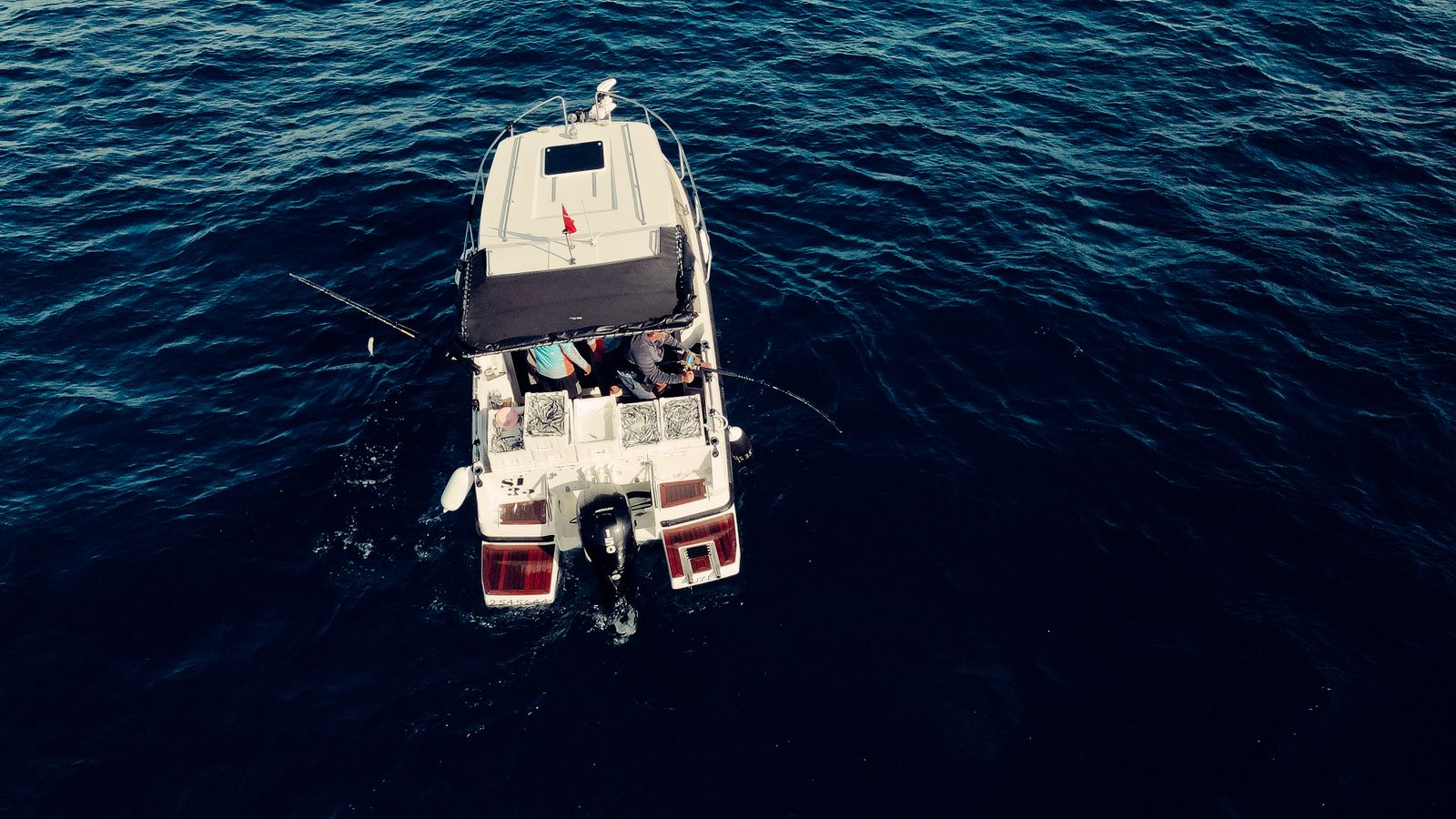
Not everyone loses. Warm water pushes tropical species poleward, and Southern California has seen the upside — a run of yellowfin, bluefin, yellowtail and dorado that has anglers giddy. A San Diego sportfishing company manager summed up the mood: "We've got yellowfin, we've got bluefin, yellowtail, and dorado. What else can you ask for?" Boats there landed close to 300,000 more bluefin in the first half of 2026 than a year earlier.
The pattern's reach extends well beyond the eastern Pacific. In the Gulf of Alaska, Pacific cod crashed 70 percent during a recent marine heat wave; Bering Sea snow crab landings fell 84 percent in a single year after another. Indian Ocean tuna catches historically slump during El Niño years, and any wobble in Peru's fishmeal output ripples into feed costs for fish farms worldwide.