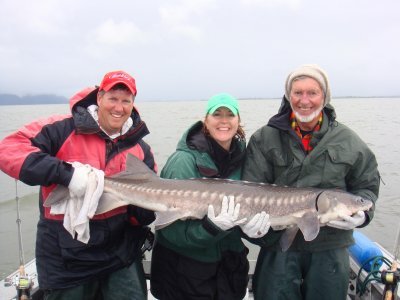
Sturgeon fishing in the Columbia River estuary offers anglers some of the most exciting opportunities to catch quality white sturgeon. This area is recognized for its remarkable fishing conditions, and the thrill of reeling in these impressive fish can be an unforgettable experience for both seasoned and novice anglers alike. "The Columbia River estuary produces some of the best sturgeon fishing and catches of quality white sturgeon for anglers to enjoy," said a local fishing guide, highlighting the area's reputation.
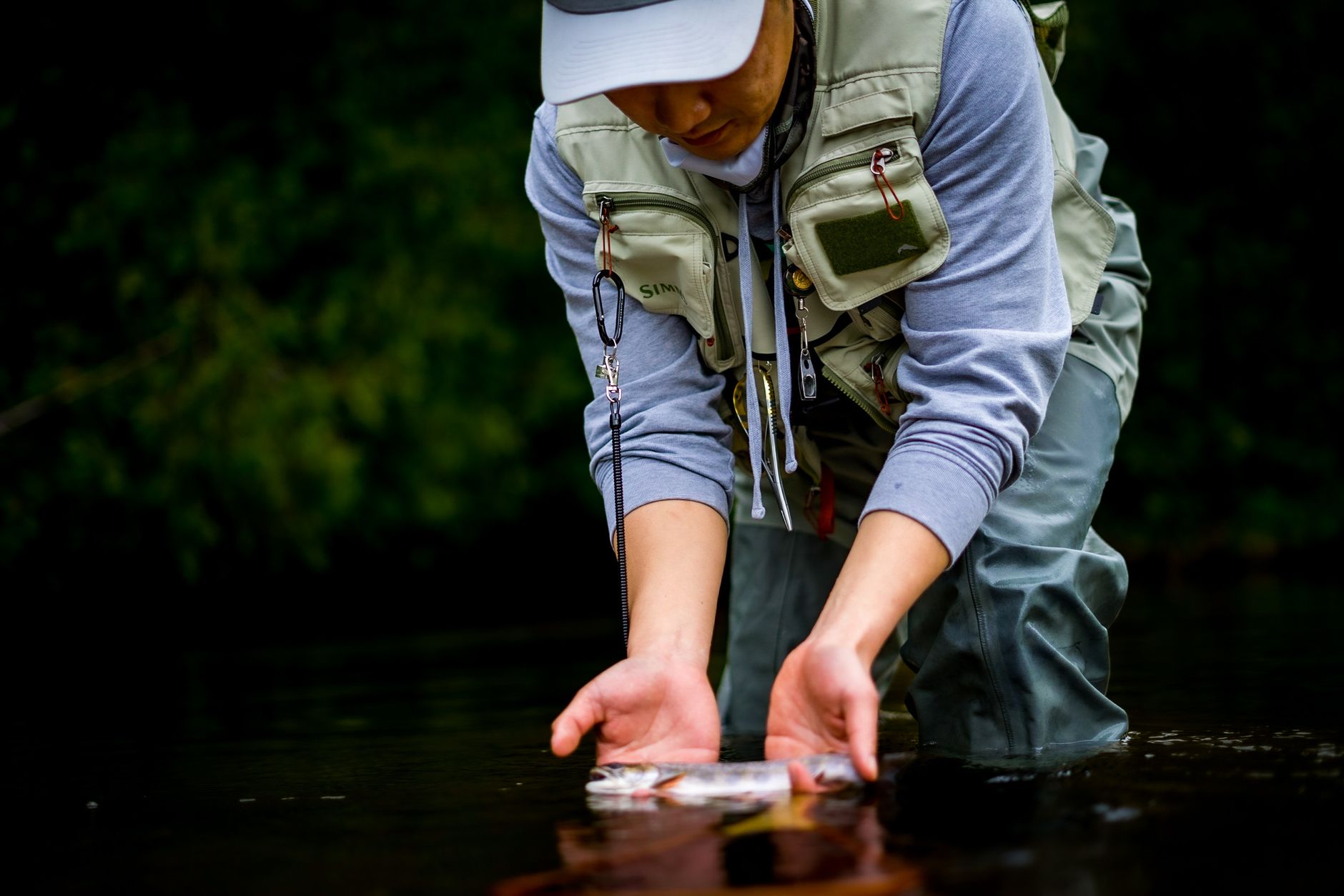
Though regulations have changed and catch-and-keep sturgeon fishing below Bonneville Dam is no longer allowed, this restriction has fostered a vibrant catch-and-release fishery. This approach has transformed sturgeon fishing on the lower Columbia River into a world-class experience, where the focus shifts to conservation and responsible fishing practices. "Catch and release fishing is world-class, making for an incredible day of fishing in the lower Columbia River," the guide added.
For anglers seeking to explore the river, numerous productive locations create appealing fishing opportunities throughout the estuary. While sturgeon activity can vary widely, certain spots have gained popularity among fishermen. These include well-known areas both below and above the iconic Astoria/Megler Bridge.
One of the most accessible spots for fishing is the section of the river downstream of Tongue Point on the Oregon side, noted for its high catch rates and accessibility. "This section of the river is by far the most productive section of the river, accounting for three-quarters of the total lower Columbia River catch below Bonneville Dam," explained an experienced angler.
Particular landmarks have become hotspots for sturgeon fishing. Trestle Bay, located just downstream of Hammond on the Oregon side, is renowned for its shallow waters that attract numerous fish. Another significant feature is the Desdemona Dolphin, a single piling structure north of Hammond that marks the entrance to productive fishing grounds.
Moreover, anglers should not overlook areas like Seal Island, which serves as a seal haul-out, only visible on an outgoing tide. Desdemona Sands, a large sandbar that stretches from above the Astoria/Megler Bridge downstream, is also a popular destination for those targeting sturgeon.
For those departing from the Warrenton Boat Basin, several additional locations present enticing fishing options. For instance, the mouth of Youngs Bay, affectionately dubbed "Stink Hole," remains a long-standing favorite despite its misleading name.
As for the techniques involved in sturgeon fishing, the use of appropriate bait is crucial. Sturgeon are primarily bottom feeders, and a varied diet including fish, crustaceans, and other aquatic organisms is ideal. Local anglers recommend using bait such as squid, herring, salmon eggs, sand shrimp, and nightcrawlers. "It's a promising idea to use scent to attract them, as sturgeon have a keen sense of smell," one fishing expert advised.
To optimize catching success, anglers should ensure their bait remains on the bottom, leading to a necessary adjustment in weight based on the river's currents. This season, fishing in the lower Columbia River has shown that smaller sturgeon in the 24-inch to 36-inch range have become less common, with larger specimens, sometimes reaching up to six feet, being more prevalent.
"Using lighter gear makes catching them a lot more fun, but you also don’t want to stress the fish (or you) out by engaging in a long fight," cautioned a seasoned fisherman. If larger sturgeon are the target, heavier gear is essential to manage the challenge safely.
Sturgeon fishing requires attention to detail, particularly concerning the fish’s sensitive mouths. One favored rig for sturgeon fishing is the sliding sinker rig, which helps manage the catch more effectively. Understanding the habitat and the right techniques can significantly enhance the fishing experience in this vibrant ecosystem.
As sturgeon fishing continues to thrive within the Columbia River estuary, anglers can look forward to creating lasting memories while respecting the natural environment. With the focus on catch-and-release practices, the future of sturgeon fishing in this region remains promising and sustainable.