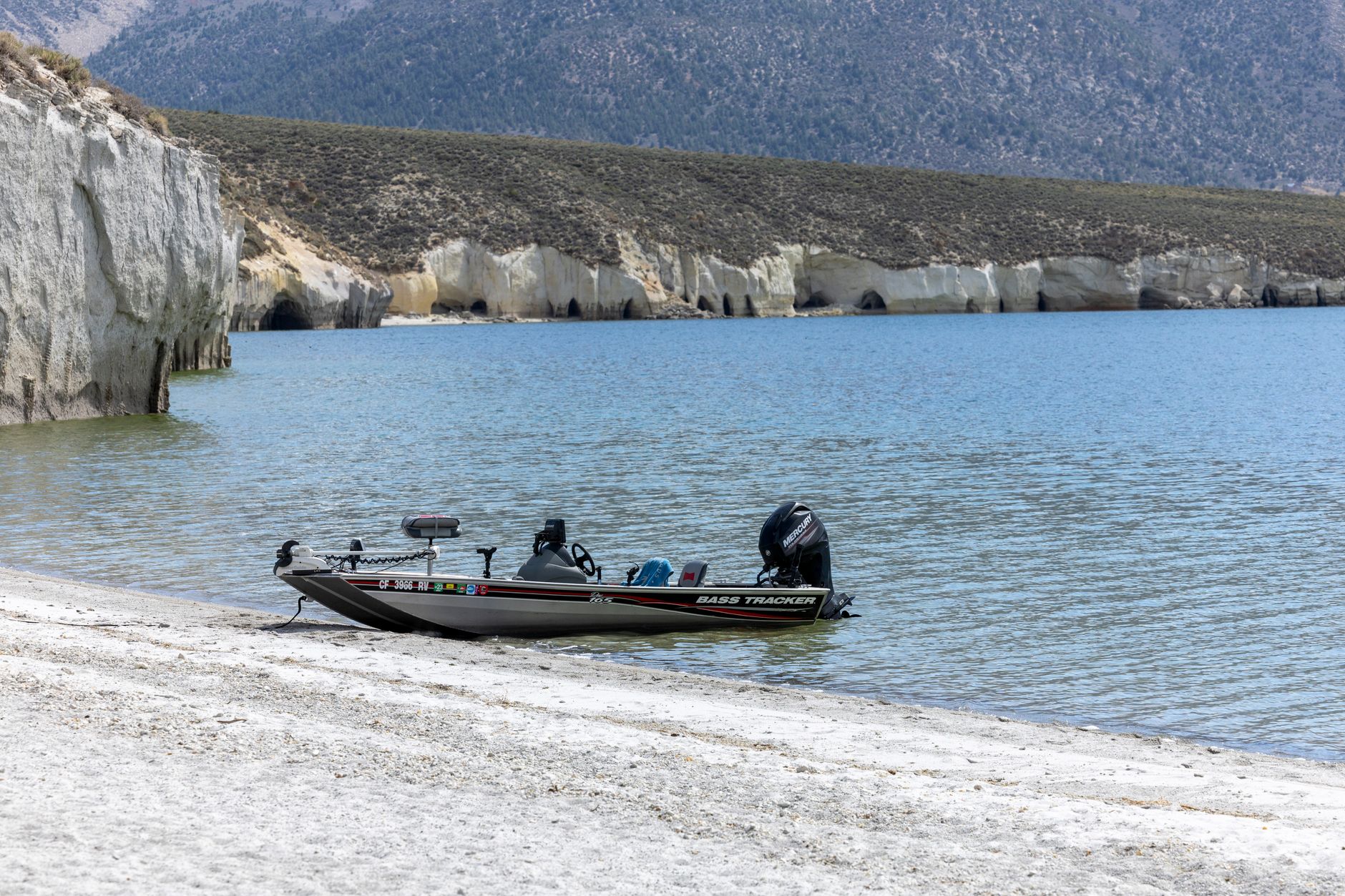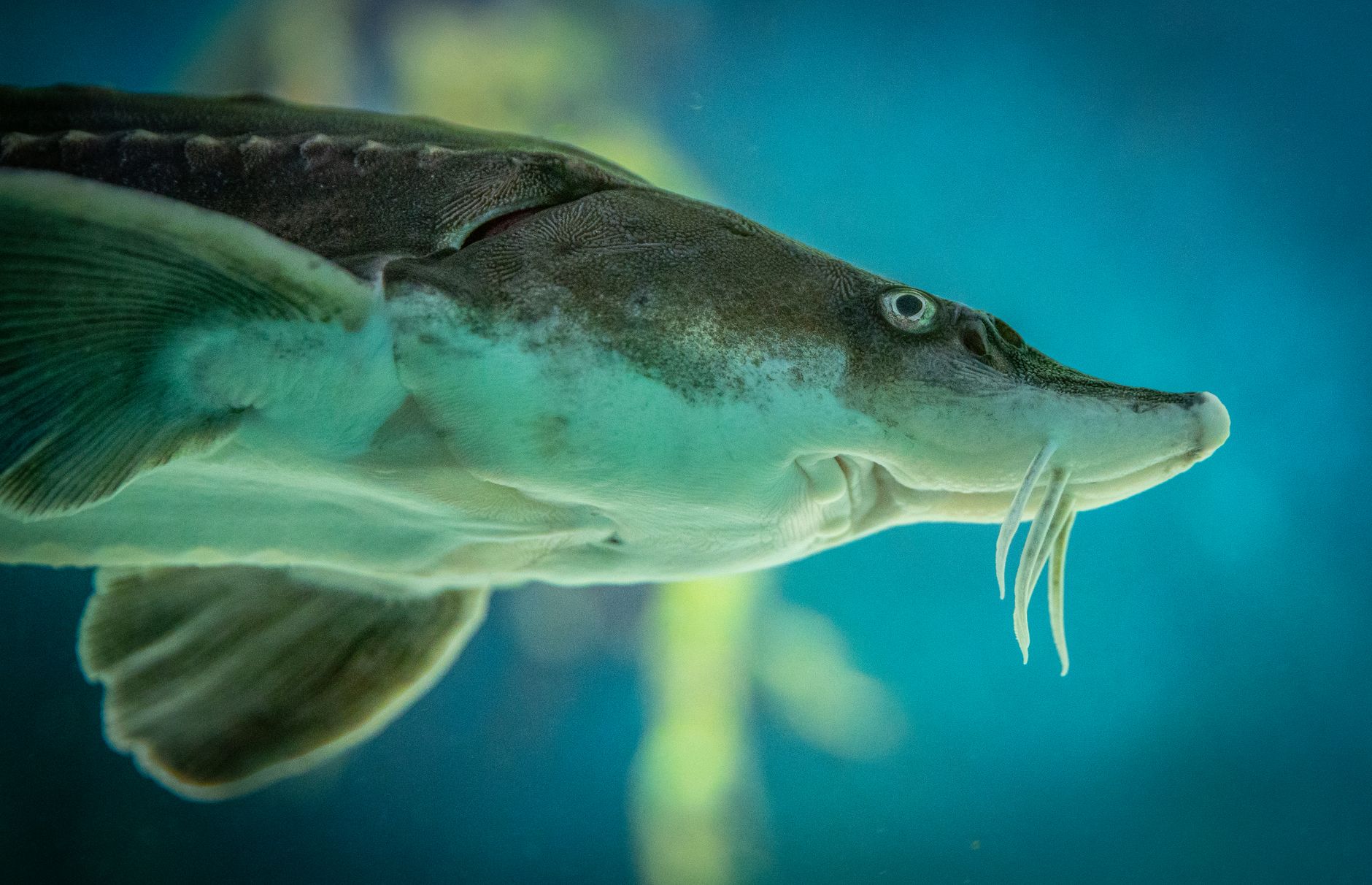
The largest male lake sturgeon researchers have handled in Michigan's Black Lake was hatched, by the best available estimate, in the 1590s. That is the headline number from a new study in the Journal of Fish Biology, and it lands about 275 years above the oldest lake sturgeon ever formally recorded.
The work came out of a collaboration between the Michigan Department of Natural Resources, Michigan State University, Michigan Technological University and the Wisconsin DNR. It covers five populations across the upper Great Lakes - Black Lake, the Sturgeon River, the Menominee River, the St. Clair River and Lake Winnebago - and draws on 44 years of tagging and recapture records.
Why nobody caught this earlier is a story about method rather than luck. Fish ages normally come from counting growth rings on a fin ray or an ear bone, which works until the fish stops growing fast enough to lay down a readable ring.
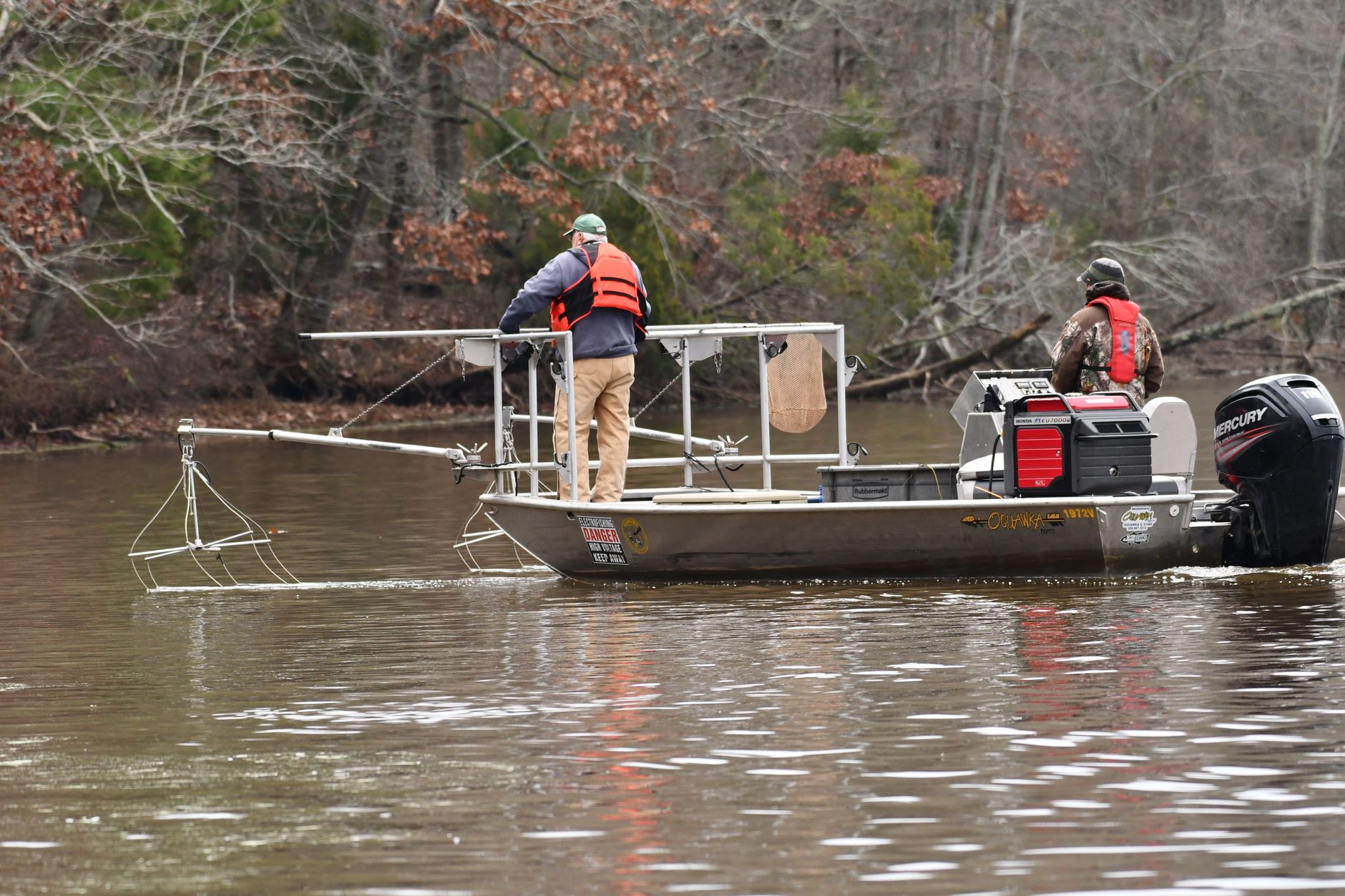
"The older a fish gets, the harder it is to accurately determine its age using those growth rings," Michigan DNR research station manager Edward Baker told WWMT. "As fish age, they tend to grow slower and those rings become very indistinct essentially. They're too close together to accurately count."
Baker, who has worked on sturgeon since the mid-1990s, has been sceptical of the old ceiling for most of his career. "The more time I spent working on sturgeon, the more I questioned that assertion," he said. "That's what led us to try this alternate approach to estimating how old these fish might be getting."
The alternative was to measure growth instead of counting rings. Tag a fish, recapture it decades later, measure the difference, and work backwards from length to age - the same logic used to establish that Greenland sharks can pass 500 years. It only works on very long time series, because the numbers involved are almost invisible.
"Some of the fish we have, were growing two millimetres a year," Baker said. "That's hard to measure if you're catching fish three or four years apart."
Run through the model, males came out between 90 and 279 years and females between 99 and 427. Even the most conservative reading of the oldest Black Lake fish puts it past 300.
Baker did not take his own result at face value. "I kept questioning, am I doing the math right? Is everything adding up?" he said. "But when you add in Scott's expertise and the expertise of all of the other coauthors, and then you run it through peer review, it's legitimate for sure."
That is Scott Colborne, a Michigan State fisheries and wildlife assistant professor and a study co-author, who called it "one of those goosebump moments." He also pointed out that the finding was not new to everyone: a member of the Grand Traverse Band of Ottawa and Chippewa Indians told him tribal knowledge already put northern Michigan sturgeon at 400 years.
There is real variation between waters, which is worth reading carefully before generalising. On the St. Clair River, the fish still appear to top out around 80 to 100 years. The extreme ages sit in Black Lake and the Superior-draining Sturgeon River.
Nancy Auer, emeritus research professor at Michigan Technological University, put the timescale in human terms. "When I began studying lake sturgeon in the late 1980s, I never thought I'd live to see their success and persistence after being listed as threatened," she said. "Let alone actually handle fish much older than I was - or am now, 30 years later - and that will be here after I am gone."
For anglers, the practical end of this is harvest. Centuries-long lifespans only happen when annual survival sits at 96 to 98 percent, and lake sturgeon replace themselves slowly even in good years. Fewer than one in a hundred of the historic Great Lakes population is left after the indiscriminate harvest that ran to about 1910.
"Because they are living so long and their survival is so high, we have to be very, very cautious about how much harvest we allow," Baker said.
Michigan already runs the Black Lake season on that principle. Last year's quota was six fish for the entire fishery, not per angler, and the harvest has been known to close within minutes of opening.