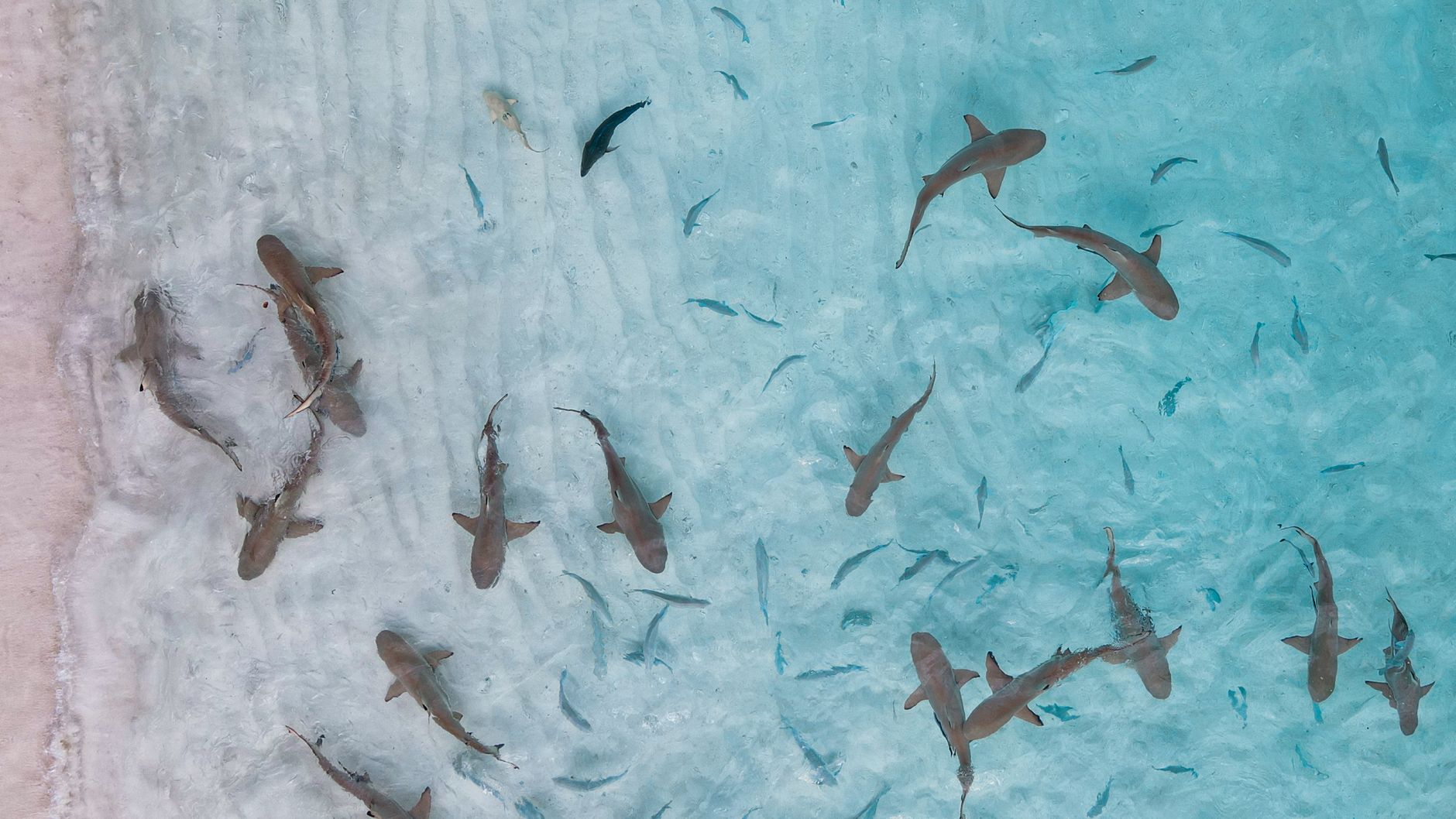
Two hundred kilograms of shark heads dumped at a minister's office. Threats against her family and her staff. A record-breaking petition. The fight over Western Australia's demersal fishing ban has been ugly for months — and this week it earned a formal parliamentary inquiry, passed by the upper house with backing from every party in the chamber.
They did not agree on much beyond that. To Fisheries Minister Jackie Jarvis, who brought in the ban, the inquiry is a chance to clear the air she says has been poisoned by intimidation. To the Nationals, it is a long-overdue audit of a decision they believe was rushed and badly handled. After hours of debate, all sides voted yes.
Jarvis used her speech to confront the abuse head-on, saying she would support the motion because she had nothing to hide, while condemning those who had targeted her family.
"To stand there and support fishers who have made threats against my family, to stand there to support fishers who have dumped shark heads at my door, where my staff have to deal with that," she said.
One incident still clearly stung. "I came to Perth to meet with commercial fishers on December 28. I said I would meet them at any time, and as I'm driving to Perth, they're driving to my office to dump 200 [kilograms] of shark heads at the door for my staff to deal with," she said.
If there was a political motive, Jarvis said she could not find it. "It would be great if someone could tell me what political gain I have achieved here because as far as I can tell, I've just basically annoyed everyone," she said.
The Nationals' Legislative Council leader, Julie Freeman, argued the inquiry should have come before any change to the law, not after.
"It's around good decision-making, and it's around having a transparent and accountable and consultative process," Freeman said. The ban, she added, "came as an absolute shock out of the blue."
Her party has campaigned for a probe since October, when it backed Geraldton fisher Anthony Haygarth's petition — a document that went on to become the largest ever lodged in the state's parliament.
The inquiry will look at more than catch limits. Marine parks, the demersal ban and the effect of seismic blasting on fish stocks are all in scope, the last of those a win for conservation groups.
"When we're asking local fishing communities to give our demersal population every chance of recovery, we cannot turn around and hand the oil and gas industry yet another free pass," said Matt Roberts, executive director of the Conservation Council of WA.
For all the heat, the ban is unlikely to move. With Greens and Labor support behind it, the closure is set to run until spring 2027 — and enforcement is already biting, with one 35-year-old fisher recently hit with a $4,700 fine and forced to surrender his gear for fishing demersal species during the ban.