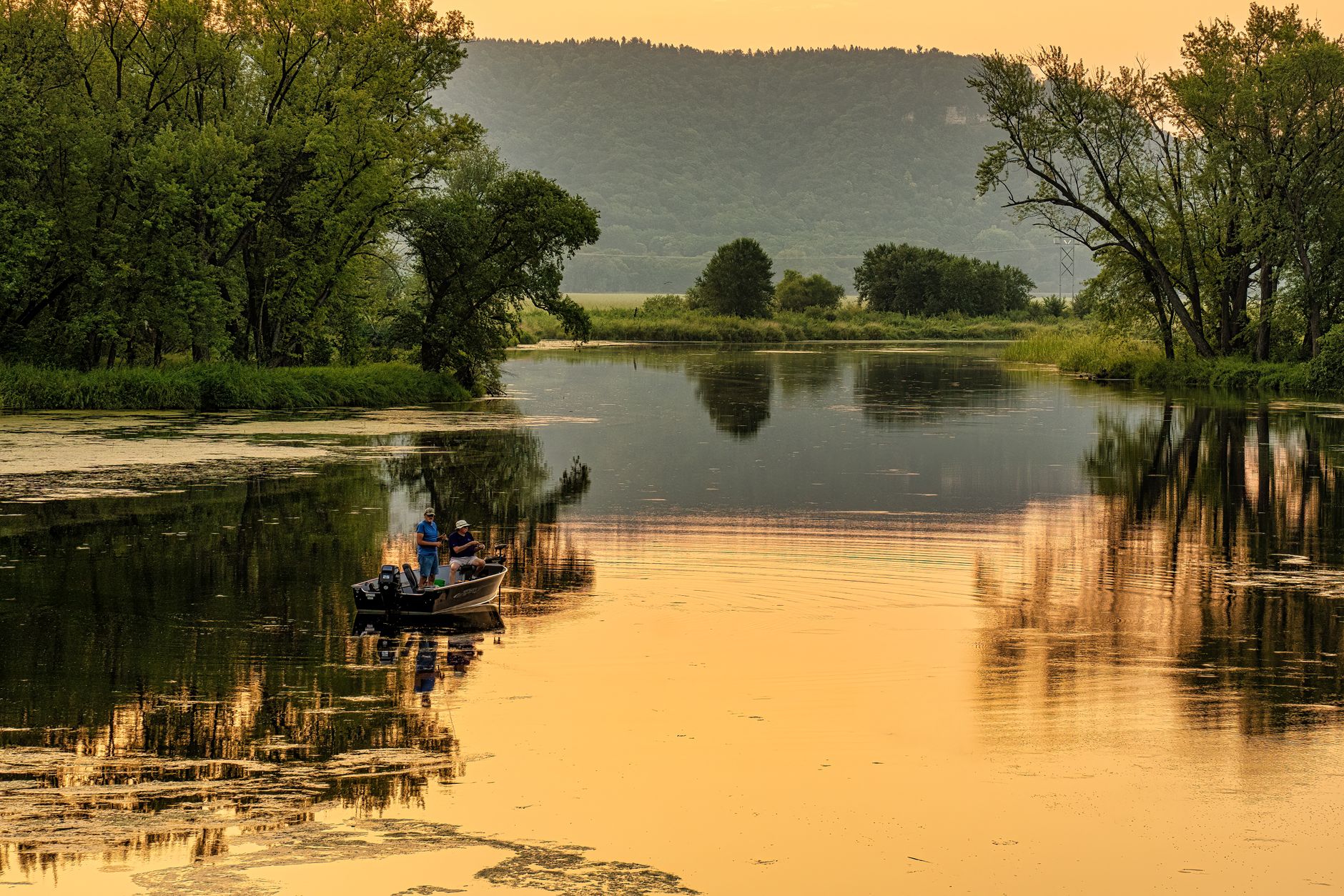
The upper Sacramento River opened to Chinook salmon fishing on 1 August, the first time anglers have been able to work that water in three years.
The wider reopening came earlier. The California Department of Fish and Wildlife brought back a full recreational Chinook season across the Sacramento system on 16 July, after closing the fishery when the run collapsed to critically low numbers. The Redding stretch followed on 1 August.
Guide Matt Mitchell, who works the water above Redding, told KRCR the fish took their time arriving.
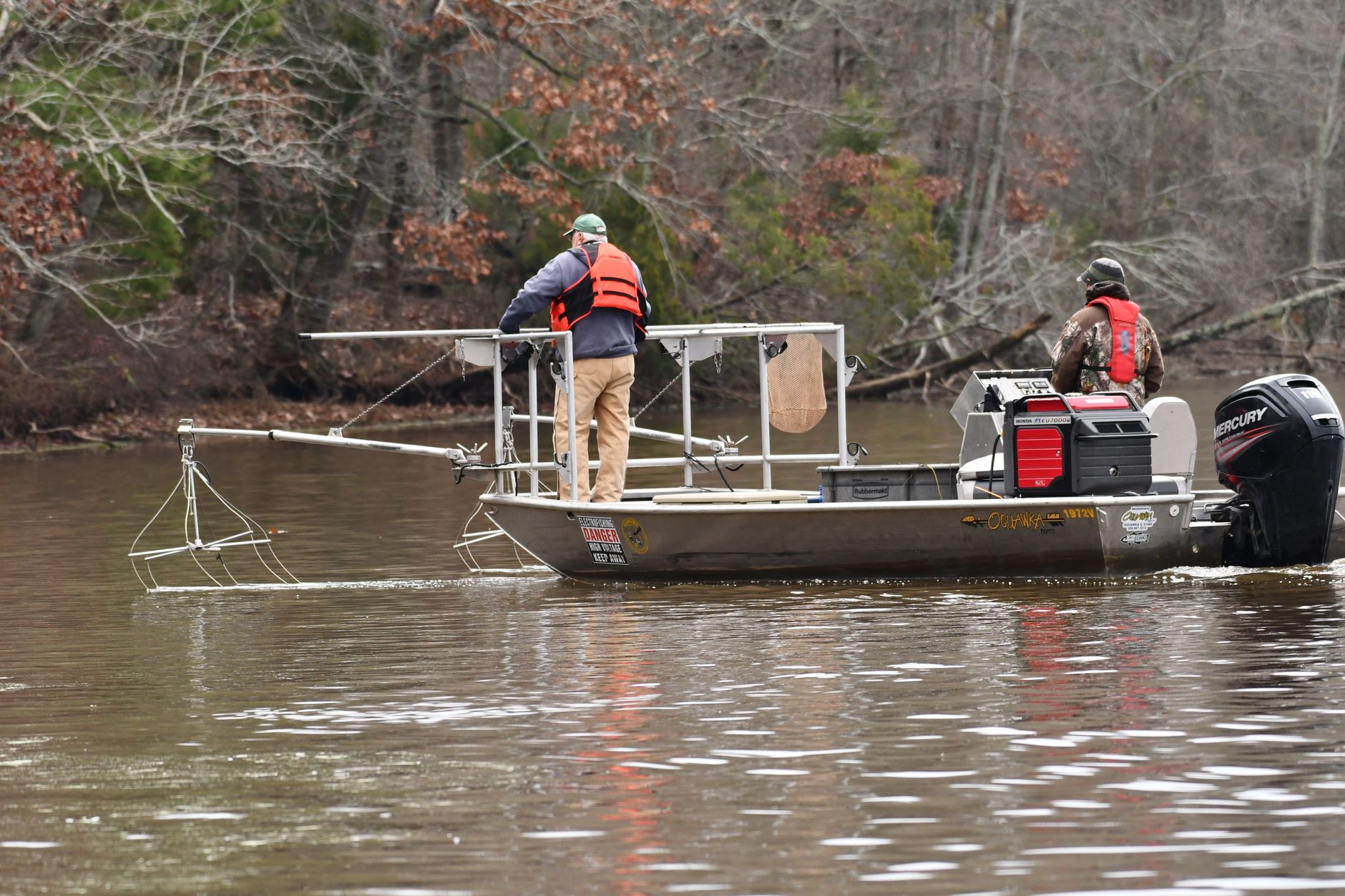
"The fishing on the Sac started a little slow. August 1 on the upper opener, some quality fish around though, and every week it should be getting better and better," Mitchell said.
He was more direct about what the closure did to his business. Mitchell estimated it cost him 35 to 50 working days a year and pushed him onto other fisheries to fill the calendar.
CDFW blames the original collapse on drought — several dry years in a row cut the cold-water habitat Chinook need to spawn and rear. A departmental spokesperson told KRCR that wetter years, habitat work and increased hatchery production combined to make the reopening possible, delivering full seasons in the ocean, the rivers and the commercial fleet.
The restoration side of the story is where the fisheries scientists want the attention.
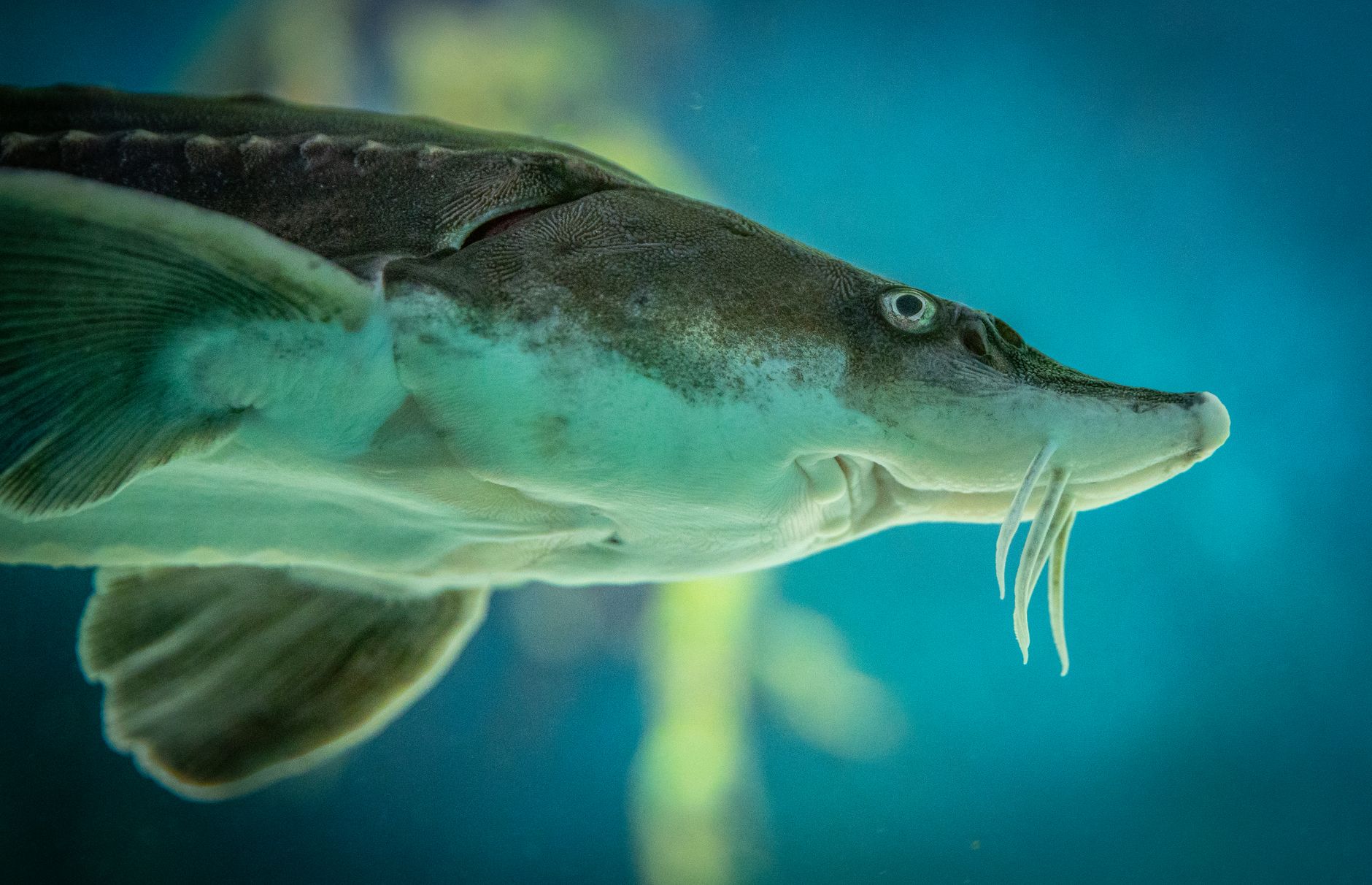
"When salmon aren't doing well, lots of other things in the environment aren't doing well," said Carson Jeffres of the UC Davis Center for Watershed Sciences.
Work across the Sacramento watershed now involves farmers, water agencies and conservation groups in the same room. One project near Woodland floods rice fields over winter, turning them into nurseries where juvenile salmon put on size before heading downstream.
"We've all come together and said we're going to improve conditions for salmon," said David Guy, president of the Northern California Water Association. "It's some of the most exciting work we're doing."
On Putah Creek in Solano County, streamkeeper Max Stevenson has reshaped the streambed to rebuild spawning habitat. More than 21,000 salmon have returned to spawn there, producing an estimated 500,000 juveniles.
"That's a great number," Stevenson said. "That's like having a small hatchery out here."
Near Redding, crews are dropping boulders and woody debris back into the river to create the slow water young fish need.
"Hopefully, what we're doing is holding those fish longer, letting them get bigger before they turn and head to the ocean," said Roger Cornwell, president of the Sacramento River Settlement Contractors.
None of that guarantees a fish on the end of a line. The season runs to 31 December with a two-Chinook daily limit and a valid California sport fishing licence required. Guide B Panachon Say-Lee, working the Sacramento stretch on opening weekend, described the reality of it with a fish finder lit up in front of him.
"Any day you can catch one fish per person, that's a great day," Say-Lee said. "We're all excited. The season's only going to get better."
One angler on the bank put it another way: "We call it hours of boredom for moments of pandemonium."
At the Oroville Wildlife Area on the July opener, Rick Dao landed a 13-pounder within minutes of his friend hooking up.
"I got super lucky. My friend hooked one and then I hooked one," Dao said. "It fought very hard, ran like 3 times, but I'm glad I got her in."
Jeffres, who has spent years on the science end, argues the fishing itself is part of the recovery. "The ability to have people go and catch fish and use the resource is one of the ways you bring that energy for conservation and management," he said.