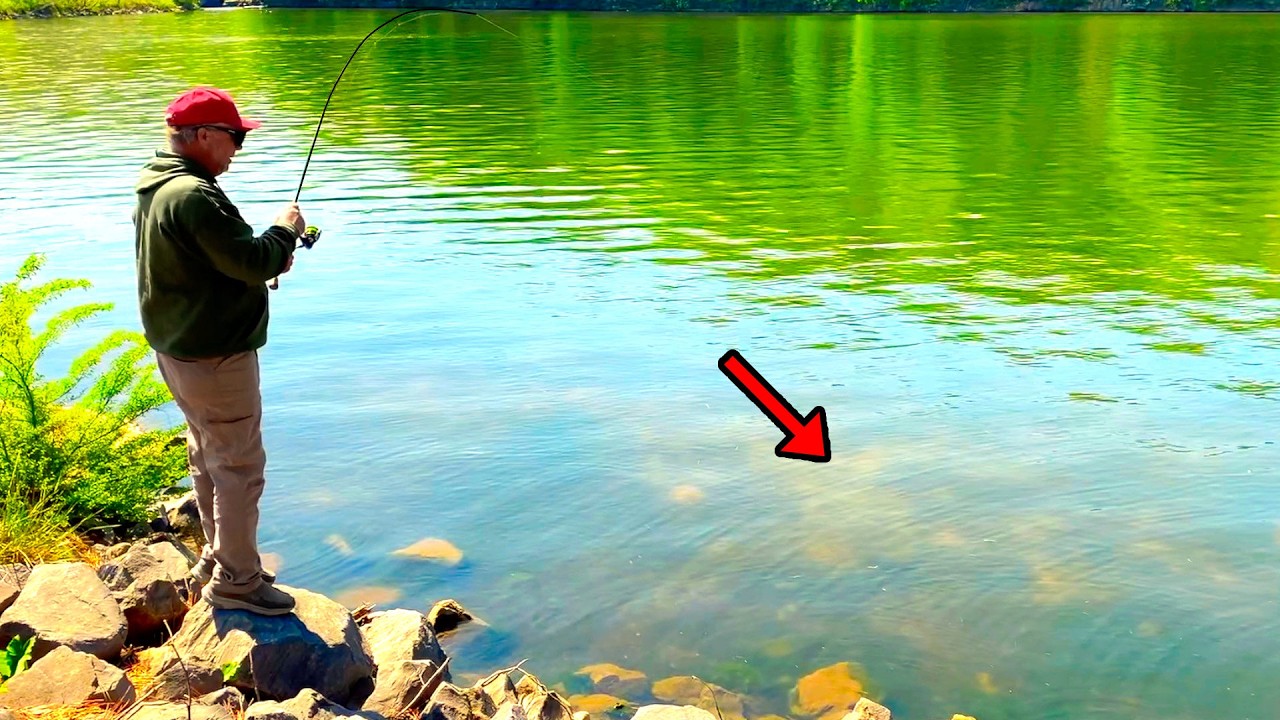
Richard Gene, better known to his YouTube audience as 'The Fishing Machine', devoted his latest video to a tight, practical breakdown of spawning crappie on Tennessee River rip wrap — the big, road-building rocks that line many of the system's banks and serve as erosion control.
Not every rip-wrap bank is worth the cast. "Sand and pea gravel are the two most favorite places here in the Tennessee River for crappie to spawn," Gene said, emphasising that marshy or mucky bottoms underneath the rocks almost never hold spawners. "They have to have one or the other. They're not going to spawn on a real soft bottom."
Timing is the second constraint. Filming with the lake's surface already at 67°F, Gene flagged that viewers watching late were effectively on the bubble. "The spawn is not going to last much longer," he said. "When it hits that 70-degree mark, it's about over with for the most part." Crappie, he reminded the audience, develop eggs in autumn but spawn just once a year, cycling through the 60-to-70°F window.
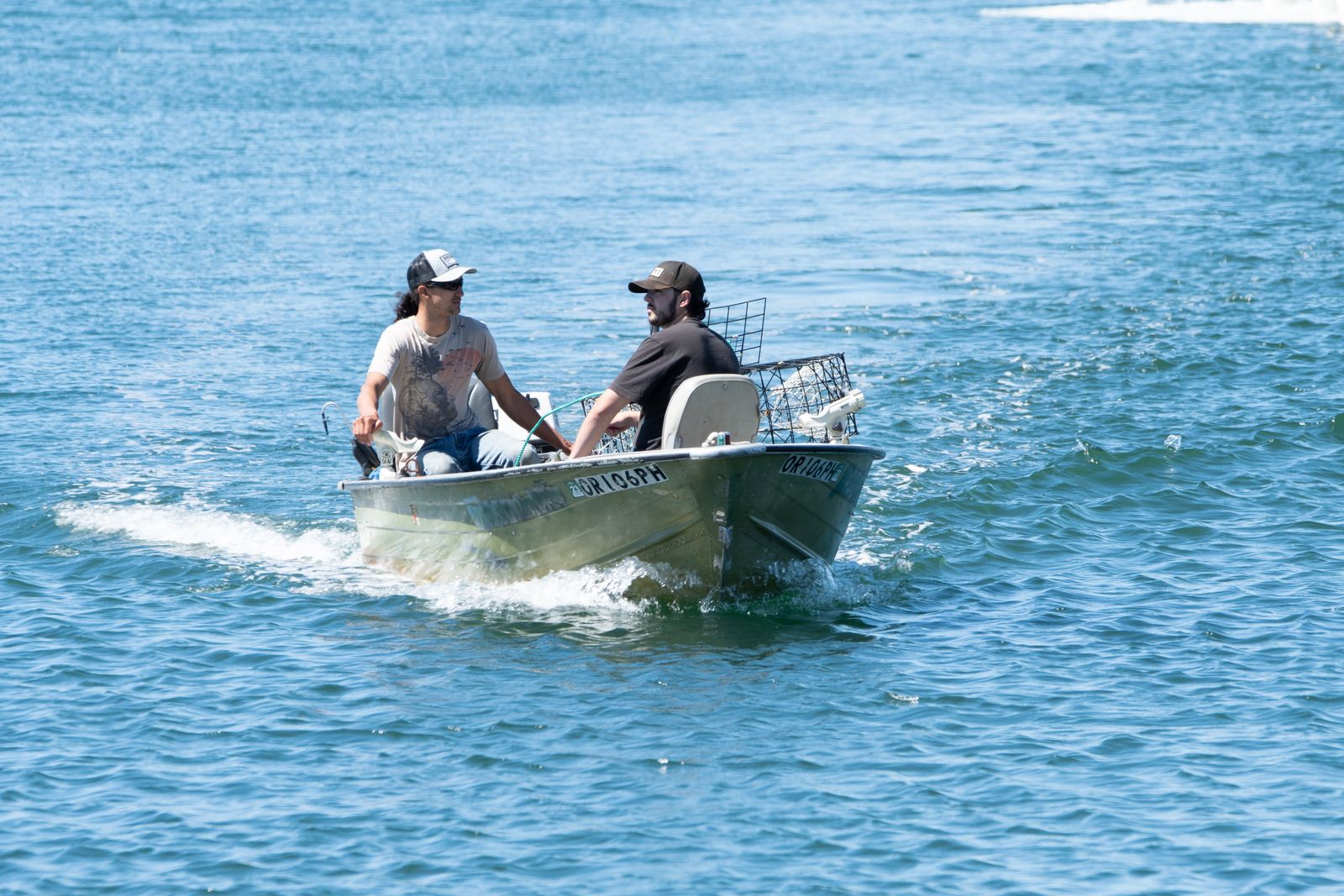
In the clear water he filmed, the fish hold tight: roughly 4 ft deep and within 5 to 12 ft of the bank, with some pressed right up against the rocks. "These crappie will come right by the bank, imagine this, in between big rocks like this, and they'll dish out dishes about that size right there, and that's what they're spawning on," he said. In stained water the pattern shallows up.
Gene's setup is dialled for weight control rather than distance. He runs a 6'9" compre-X ultralight rod and a Shimano Miravel 1000 spooled with three-pound P-Line paddle-fish mono — a line he praised for being "strong" with some stretch but without "all this kinking problem that a lot of monofilament lines have." The terminal end is a 1/32 oz jig head matched with a Max 4 soft plastic built from Elastamax, the same compound Nico uses. "You'll lose them before you'll wear them out," he said.
That 1/32 oz head is the non-negotiable. "A 1/32 ounce jig head's got to be my favorite, favorite size," Gene told viewers. "You can hold it in front of their face for a much longer period of time." The Max 4's elastic-like body exaggerates the slow-fall profile and generates bites on the drop even when the retrieve is barely moving.
The method quickly produced a thick 15-inch female pushing well over two pounds — "that's a hammer right there," Gene said — followed by a 12.5-inch male on the next cast. He released both quickly, citing fisheries research that spawning crappie return to the same bed, and signed off with the short form of his message: find rip wrap over sand and pea gravel, stay tight to the bank and trust the 1/32 oz drop.