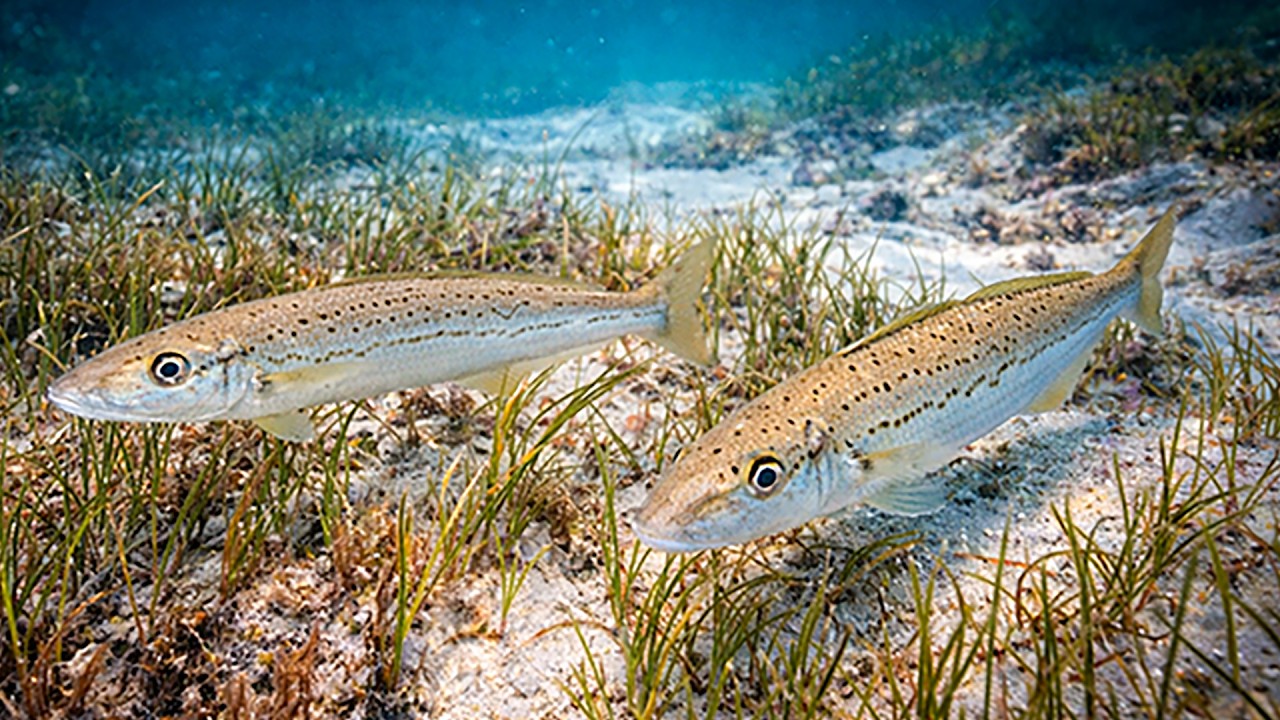
Reedy's Rigs has filed a long-form breakdown of King George whiting fishing in Western Port, and the video doubles as a defence of why one of Victoria's most fished species is also one of its best understood.
The geography sets the case. Western Port sits about an hour south-east of Melbourne, stretching from the Mornington Peninsula down past Phillip Island, with French Island in the middle. It's one of only two major bays in Victoria.
"But unlike Port Phillip, this one still runs wild," Reedy's Rigs explains. "Whiting are hugely sought after here and there's a reason for it. In general, they grow bigger in Western Port and that's because of the bigger tides, the faster moving water."
The biology drives the bag-limit conversation. Whiting hold in the bay as juveniles up to about four years of age, then leave for the ocean.
"They don't leave, they grow up here," he says. "Then at around four years they head offshore and never come back. Because of Victoria's rugged coastline, once they're offshore, they face very little fishing pressure for the rest of their lives. That's why our bag limit works here."
A four-year-old fish, in his maths, is about 40 centimetres. A genuine 50-centimetre Western Port whiting is therefore an outlier - a fish that has stayed in the bay longer than the population norm.
"That's why a true 50 cm fish in Western Port is rare," he says. "You either chase the odd fish that hangs around longer or you're fishing south, basically offshore. And here's the cool part - up the northern end of the bay, catching 44 to 49 cm is common."
"There's a few non-negotiables I need on board," he says. "Number one, bait. I need pippy, squid and mussel always. When whiting are feeding freely, squid will catch them. But at some point in the tide, they nearly always get tougher. That's where pippy and mussel come into play. When they're hard to catch, they simply can't resist."
The most striking part of the video is a reframe of how anglers should think about the gear.
A good sounder with relief shading, he says, is no longer optional. Sand holes - the soft white patches in the seagrass where whiting actively feed - are visible from the surface on calm days, but the moment the wind comes up the only option is the screen.
"Study your maps before you fish," he says. "On windy days, you won't always see sand holes. That's where side-scan becomes invaluable. Learn it."
The philosophical close lands hard. After the bait list, the sand-hole talk and the maths on age, Reedy's Rigs comes back to discipline - and belief.
"Don't think you can just turn up and catch whiting. Have a plan," he says. "Read, learn, feed your brain with information. Don't chase reports, make your own. Move, but give each area time, around 15 minutes. And lastly, belief. The second you think you won't catch fish, you've already lost."
A 49-centimetre keeper and an unexpected bigger gummy shark featured during the session - a reminder that working a sand-hole edge with the right bait, on the right tide, often produces more than just one species. The whiting, though, stayed the headline.